
K-1 Visa Certified Translation in 2026: What Fiancé Visa Applicants Need to Know
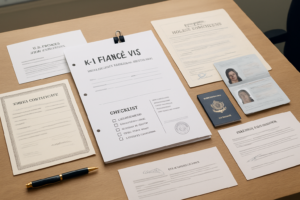
If you are applying for a fiancé visa, document preparation is one of the most important parts of the process. A missing or incorrect translation can lead to delays, confusion at the consular stage, or requests for additional evidence. That is why understanding K-1 visa certified translation requirements in 2026 is essential before your visa interview.
For most applicants, the rule is simple: any document submitted to U.S. immigration authorities or presented at a visa interview that is not fully in English should be accompanied by a complete certified English translation. However, many couples are unsure exactly which records fall into that category. Birth certificates, divorce records, police certificates, court documents, adoption records, military papers, and other civil documents may all require translation depending on your case.
This guide explains exactly which documents usually need K-1 visa certified translation, how certification works, what consular officers expect, and how to avoid the most common translation mistakes before your fiancé visa interview.
Why Certified Translation Matters for a K-1 Visa
The K-1 visa process involves both U.S. Citizenship and Immigration Services and a U.S. embassy or consulate abroad. Throughout that process, officers must be able to read and verify your records clearly. If a civil document is in another language, they generally need an English translation that is complete, accurate, and accompanied by a signed certification from the translator.
A proper K-1 visa certified translation helps with:
- Confirming identity and family relationships
- Verifying legal capacity to marry
- Reviewing prior marriages and divorces
- Checking criminal or police history
- Matching names, dates, and places across records
- Reducing the risk of delays or administrative processing
Even when a document seems straightforward, partial translations or informal translations can create problems. A certified translation should reflect the entire document, including stamps, seals, handwritten notes, and marginal remarks when relevant.
What Is a Certified Translation for Immigration Purposes?
In immigration and legal contexts, a certified translation is generally a full English translation accompanied by a statement signed by the translator or translation provider. That statement typically confirms that the translator is competent to translate the document and that the translation is complete and accurate to the best of their knowledge.
For K-1 visa certified translation purposes, certification does not usually mean notarization unless specifically requested. In most cases, the critical element is the translator’s signed certification. Still, many applicants choose professional immigration translation services because they understand formatting, legal terminology, and consular expectations.
Exactly Which Documents Usually Need K-1 Visa Certified Translation?
The safest rule is this: if the document is not entirely in English, assume it needs a certified translation unless official instructions for your embassy say otherwise. Below are the main categories of records fiancé visa applicants commonly need translated before the interview.
1. Birth Certificates
Your birth certificate is one of the most commonly required civil documents in a K-1 case. If the beneficiary’s birth certificate is in any language other than English, it will usually need K-1 visa certified translation.
The translation should include:
- Full name
- Date and place of birth
- Parents’ names
- Registry details
- Official seals, stamps, and annotations
If the petitioner also submits a foreign-language birth certificate for any reason, that document should be translated as well. Be especially careful with long-form birth records that contain notes in the margins, later corrections, or registration remarks. Those details should not be omitted.
2. Divorce Decrees and Annulment Records
One of the core legal issues in a fiancé visa case is proving that both parties are legally free to marry. If either partner was previously married, the divorce decree, annulment judgment, or death certificate of the former spouse may be required.
Any non-English divorce or annulment record generally needs K-1 visa certified translation. This includes:
- Final divorce judgments
- Certificates of divorce
- Annulment orders
- Separation judgments, if relevant under local law
- Death certificates of prior spouses
Applicants often make the mistake of translating only the final page showing the divorce was granted. That is risky. If the document includes identifying information, court details, case numbers, or legal findings on earlier pages, the entire record should be translated unless a specific authority requests only a particular page.
3. Police Certificates
Police certificates are frequently required for K-1 visa interviews, depending on the beneficiary’s age and residence history. If a police certificate is issued in a language other than English, it typically needs K-1 visa certified translation.
This includes police records from:
- The beneficiary’s current country of residence
- Any country where the beneficiary lived for the required period under visa rules
- Any country where an arrest occurred, if applicable
Because police certificates can contain abbreviations, stamps, or preprinted legal language, using a professional translator is often a smart choice. A minor mistranslation involving criminal history language can lead to follow-up questions or delays.
4. Court and Criminal Disposition Records
If the beneficiary has ever been arrested, charged, or convicted, court records and disposition documents may be required. If those records are not in English, they should receive K-1 visa certified translation before the interview.
These records can include:
- Charging documents
- Court judgments
- Sentencing orders
- Dismissal orders
- Probation completion records
- Rehabilitation or pardon records
These are highly sensitive legal documents. Accuracy matters because officers may use them to determine admissibility. Incomplete or unclear translations can cause serious complications.
5. Adoption Records or Name Change Documents
If the beneficiary was adopted, legitimized, or legally changed their name, supporting civil records may be required to explain discrepancies across passports, birth certificates, school records, or police certificates. Any such foreign-language records generally need K-1 visa certified translation.
Common examples include:
- Adoption decrees
- Amended birth certificates
- Name change court orders
- Household registry extracts showing family changes
These documents are especially important when names appear differently across records. A good translation can help create consistency and reduce suspicion about identity mismatches.
6. Military Records
Some applicants may need to present military records, depending on the embassy’s document checklist and the applicant’s background. If required and not in English, these records should usually be translated through a K-1 visa certified translation process.
Military documents may include:
- Service records
- Discharge papers
- Exemption certificates
- Military conduct records
Because these records often use specialized terminology, experienced legal translators are preferable.
7. Other Civil Documents Requested by the Embassy
Embassies and consulates may ask for additional country-specific civil documents. Depending on the case, these can include family registers, residence records, census extracts, prison records, or local identity records. If they are not in English, they generally need K-1 visa certified translation.
Always check the interview instructions for your specific U.S. embassy or consulate, because document expectations vary by country.
Documents That Usually Do Not Need Translation
Not every paper in your K-1 package requires translation. In many cases, documents already issued in English or in bilingual format may not need additional work. Examples can include:
- Passports with English biographical data
- International or multilingual civil certificates that already include English
- English-language bank records or employment letters
- Official forms completed in English
Still, if a document contains non-English seals, handwritten notes, or supplemental pages, a translation may still be wise. When in doubt, err on the side of caution, especially for legal and civil status records.
When to Complete K-1 Visa Certified Translation
Do not wait until the week of the interview. A last-minute translation can create unnecessary stress and increase the chance of errors. Ideally, gather your civil documents as soon as your case reaches the consular stage and order your K-1 visa certified translation early enough to review everything carefully.
Build in time to:
- Obtain the correct original or certified copy of each document
- Check whether your embassy requires a specific version
- Send legible scans to the translator
- Review spellings, dates, and document completeness
- Print clean copies for the interview packet
What a Good Certified Translation Should Include
A professional K-1 visa certified translation should generally include:
- A complete English translation of the full document
- Accurate reproduction of names, dates, and places
- Translation of stamps, seals, signatures, and handwritten notes when legible
- A certification statement signed by the translator or provider
- The translator’s name, signature, and date
The formatting should also make it easy to compare the translation with the original document. Clean, readable presentation matters in legal submissions.
Common Mistakes That Delay Fiancé Visa Cases
Many applicants run into avoidable problems because they underestimate translation requirements. The most common mistakes include:
- Submitting untranslated civil documents
- Using incomplete translations that skip seals or annotations
- Relying on machine translation without certification
- Having a friend translate the document without a proper certification statement
- Misspelling names so they do not match the passport
- Translating the wrong version of a document
- Waiting too long and rushing the review process
Any of these issues can trigger extra scrutiny. In a high-stakes immigration matter, precision is worth paying for.
How to Choose a K-1 Visa Certified Translation Service
If you are shopping for a translation provider, look for one with immigration and legal document experience rather than general translation alone. The best K-1 visa certified translation services typically offer:
- Experience with USCIS and consular document standards
- Fast turnaround options
- Clear certification language
- Human translation by qualified linguists
- Quality review for names, dates, and formatting
- Confidential handling of sensitive personal records
Ask whether they regularly translate birth certificates, police certificates, divorce decrees, and court records for U.S. immigration cases. That niche experience can make a real difference.
Final Checklist Before Your K-1 Visa Interview
Before your interview, review every civil document in your file and ask one question: is every non-English record paired with a complete certified English translation? Your final review should include:
- Birth certificate translation
- Divorce or annulment translation, if applicable
- Police certificate translation, if applicable
- Court or criminal record translation, if applicable
- Adoption or name change translation, if applicable
- Military record translation, if applicable
- Any embassy-specific civil document translation
Bring both the original-language documents and the certified English translations to the interview unless official instructions say otherwise.
Conclusion
In 2026, getting your K-1 visa certified translation right is not just a paperwork detail. It is a practical step that can protect your timeline, reduce interview stress, and help the consular officer evaluate your case without unnecessary confusion. For most fiancé visa applicants, any birth, divorce, police, court, military, adoption, or other civil document not in English should be professionally translated and properly certified before the interview.
If you want to avoid delays, the best strategy is simple: identify every non-English civil record early, confirm embassy-specific requirements, and use a reliable service that understands immigration standards. A strong K-1 visa certified translation package helps keep your fiancé visa case moving toward approval and your next step together in the United States.