
Why the September 30, 2026 Deadline Matters for DV-2026 Applicants
For Diversity Visa selectees, timing is everything. The DV-2026 program ends on September 30, 2026, and after that date, visas generally cannot be issued under that fiscal year. That means every required step, including document preparation, interview readiness, and any necessary certified translations, must be completed before the deadline. If your case is current and you are invited to a consular interview, missing a required translated document can create delays you may not be able to recover from.
This is why understanding your DV-2026 certified translation documents is so important. Many applicants assume they can bring original records in their native language and explain them at the interview. In reality, consular officers typically expect supporting civil documents to be accompanied by proper translations when the originals are not in the accepted language of the embassy or consulate handling the case. A missing or noncompliant translation can lead to administrative processing, requests for additional evidence, or even lost visa eligibility if the issue is not fixed in time.
If you are approaching your interview window, this guide will help you identify which DV-2026 certified translation documents you may still need, how to prioritize them, and how to avoid common mistakes before September 30, 2026.
What Are DV-2026 Certified Translation Documents?
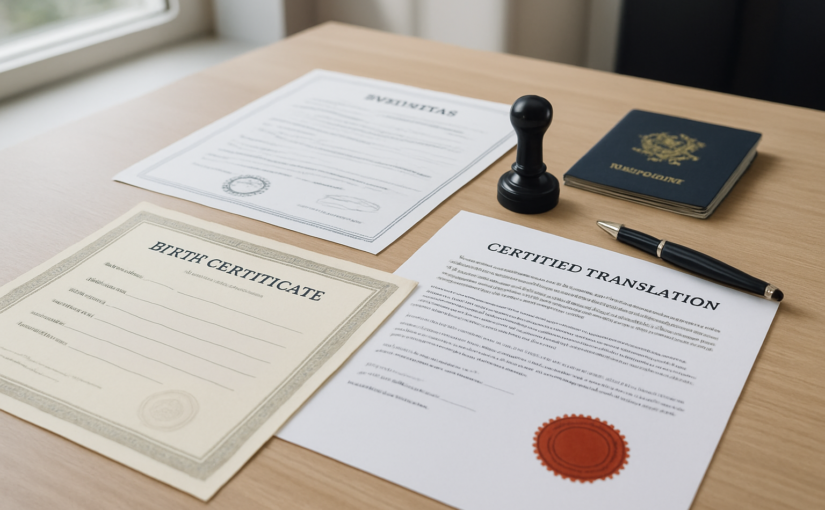
In immigration practice, a certified translation is generally a complete and accurate translation of a document accompanied by a signed certification from the translator or translation provider stating that the translation is true and that the translator is competent to translate between the two languages. For Diversity Visa cases, these translations are often required for civil documents submitted to or presented before a U.S. consular officer.
Your DV-2026 certified translation documents may include birth certificates, marriage certificates, divorce decrees, police certificates, court records, military records, and adoption papers. The exact list depends on your personal history and family composition. If your spouse or children are immigrating with you, their documents may also require certified translation.
Not every document always needs translation in every post, but assuming an exception applies can be risky. The safest approach is to review the rules for your interview location and prepare compliant translations early enough to correct any issues before the fiscal year closes.
The Most Common Certified Translation Documents Needed for a DV-2026 Interview
1. Birth Certificates
Birth certificates are among the most important DV-2026 certified translation documents. The principal applicant must usually present a birth certificate, and derivative applicants such as spouses and children typically need theirs as well. If the certificate is not in the language accepted by the consulate, a certified translation is commonly required.
Make sure the translation includes all visible text, stamps, annotations, marginal notes, and corrections. Partial translations can trigger problems because consular officers rely on complete records to verify identity, parentage, and eligibility.
2. Marriage Certificates
If you are married and your spouse is included in the case, your marriage certificate is another core item on the list of DV-2026 certified translation documents. The same applies if you married after submitting your entry and need to establish the legal validity of the marriage for immigration purposes.
Marriage-related inconsistencies are closely reviewed in visa cases. A poor translation, omitted notation, or mismatch between names and dates can create unnecessary scrutiny. If your certificate includes handwritten notes or regional abbreviations, use a professional translator familiar with legal documents.
3. Divorce Decrees or Death Certificates
If you or your spouse had a prior marriage, you may need proof that the earlier marriage legally ended. That means divorce judgments, annulment records, or death certificates may need certified translation. These DV-2026 certified translation documents are often overlooked until the interview notice arrives, but they are essential for proving current marital eligibility.
4. Police Certificates
Police certificates are frequently required for applicants above the relevant age thresholds who have lived in certain countries for specified periods. If the certificate is issued in a language not accepted by the interviewing post, it may need certified translation. Because police certificates can take time to obtain and may have limited validity depending on circumstances, they should be prioritized immediately.
Among all DV-2026 certified translation documents, police certificates are especially time-sensitive because applicants often need both the original record and the translation within a narrow interview timeline.
5. Court and Prison Records
If you have ever been charged, convicted, or detained, certified translations of court dispositions, sentencing records, or prison records may be required. Even if the matter was minor, old, or dismissed, the consulate may still request official records. These documents should be translated completely and accurately, including legal terminology and final outcomes.
6. Military Records
Applicants who served in the military may need to present military service records. If these documents are not in the accepted language, they should be added to your DV-2026 certified translation documents checklist. Service dates, rank, discharge status, and any disciplinary history must be clearly translated.
7. Adoption or Custody Documents
If a child in the case was adopted or if custody documentation is required for a minor, these records may also need certified translation. Family-based legal documents often contain detailed court language, so accuracy is critical. Errors in names, dates, or legal guardianship terms can delay visa issuance.
Do All Diversity Visa Documents Need Certified Translation?
No, not every document automatically requires translation, but many do. Whether a translation is required often depends on the language of the original document and the policy of the U.S. embassy or consulate where you will interview. Some posts may accept documents in the official language of the country where the interview takes place as well as English. Others may expect English translations for documents issued in another language.
Still, for most applicants, it is wise to assume that key civil records not in English or the accepted local language should be professionally translated. When the stakes involve a hard fiscal-year deadline, conservative preparation is usually the best strategy. The cost of obtaining proper DV-2026 certified translation documents is typically far lower than the cost of missing a visa opportunity.
How to Prioritize Your DV-2026 Certified Translation Documents Before the Deadline
If September 30, 2026 is approaching and you are not fully prepared, focus on urgency and impact. Start with the documents most likely to block visa issuance.
- Birth certificates for all applicants because identity and derivative eligibility depend on them.
- Marriage, divorce, or death records because family status must be proven clearly.
- Police certificates and any related translations because they can take time and may expire.
- Court or military records if applicable, because they often require extra review.
- Child custody or adoption papers for any accompanying minor.
When ordering DV-2026 certified translation documents, ask for complete translations with a signed certification statement. Review every page before the interview. Names, dates, places of birth, and document numbers should match the originals exactly. Even small typographical mistakes can cause confusion.
Common Mistakes That Cause Delays
Using Non-Certified or Informal Translations
A friend, relative, or bilingual acquaintance may be able to translate a document linguistically, but that does not always satisfy immigration document standards. Certified translations should come with a proper certification statement and should look professional, complete, and legible.
Submitting Incomplete Translations
One of the most frequent problems with DV-2026 certified translation documents is omission. Stamps, seals, handwritten notes, marginal notations, and back-page text should usually be translated too. If the original contains information, the translation should reflect it.
Waiting Until the Interview Is Scheduled
Many applicants delay translation until they receive an interview date. That can be risky, especially if you need multiple records from different countries. If your case number is moving and you are documentarily close to interview readiness, begin collecting and translating documents immediately.
Ignoring Embassy-Specific Instructions
Each consular post may have local procedures. Some publish document checklists or language rules on their websites. Review those instructions carefully. Your DV-2026 certified translation documents should align not only with general immigration standards but also with the expectations of your specific interview location.
What a Proper Certified Translation Should Include
To reduce the chance of rejection, your translation package should usually contain:
- A full translation of the original document
- The original language clearly identified
- The translator or company name and contact details
- A certification statement confirming accuracy and translator competence
- A signature and date
Professional providers of DV-2026 certified translation documents often format translations in a way that mirrors the source document, making it easier for consular officers to compare the records. That clarity can be helpful at interview time.
Last-Minute Checklist Before Your Diversity Visa Interview
Before attending your interview, confirm that you have:
- Original civil documents for every applicant
- Certified translations for each required non-English or non-accepted-language document
- Matching spellings of names across passports, forms, and certificates
- Police certificates from all required jurisdictions
- Translations of court, prison, or military records if applicable
- Marriage termination documents translated if there were prior marriages
- Child-related legal documents translated when needed
This final review is where many applicants discover missing DV-2026 certified translation documents. Catching the issue a few weeks before the interview is manageable. Discovering it the day before can be disastrous, especially late in the fiscal year.
Why Professional Translation Support Is Worth Considering
Diversity Visa cases are high stakes because the opportunity expires. Unlike some immigration categories, there is no guarantee of extra time after September 30, 2026. That is why many applicants choose professional translation services rather than trying to piece together last-minute solutions.
A reliable provider of DV-2026 certified translation documents can help ensure consistency, completeness, and fast turnaround. This is particularly useful if you have records from multiple countries, older handwritten certificates, or legal documents with technical terminology. Professional review can also help spot discrepancies before they become interview issues.
From a practical standpoint, paying for quality translations is often one of the most efficient ways to protect the investment you have already made in your case, including medical exams, travel planning, and government fees.
Final Thoughts on DV-2026 Certified Translation Documents
If you are a DV-2026 selectee, do not treat document translation as a minor administrative detail. Your DV-2026 certified translation documents can directly affect whether your visa is issued before the September 30, 2026 deadline. Birth records, marriage and divorce documents, police certificates, court records, military papers, and child-related legal documents should all be reviewed now for translation needs.
The best approach is simple: identify every civil document in your case, confirm whether translation is required for your interview post, and order certified translations as early as possible. That gives you time to correct errors, replace missing records, and walk into your Diversity Visa interview fully prepared.
When the deadline is fixed and the stakes are high, preparation is not optional. Completing your DV-2026 certified translation documents now may be one of the most important steps you take before your interview.