
Vietnam Apostille Certified Translation in 2026: Why This Matters More Than Ever
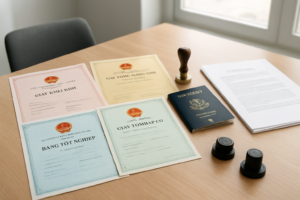
If you are submitting Vietnamese documents in the United States in 2026, getting the paperwork right is no longer optional. A single mismatch in names, an incomplete certification statement, or the wrong authentication path can delay immigration filings, school admissions, marriage registration, licensing, or court matters. That is why demand for Vietnam apostille certified translation services has risen sharply among U.S. clients handling birth certificates, marriage certificates, diplomas, police records, and immigration documents.
The reason is simple: document acceptance standards are becoming more exact, and the September 11 rule change has made many applicants re-check whether their Vietnamese documents need apostille, legalization, certified translation, notarization, or a combination of all three. For U.S. clients, the challenge is not just translating Vietnamese into English. It is understanding the correct sequence so the document is accepted the first time.
This guide explains what U.S. individuals, families, students, and immigration applicants should know in 2026 about Vietnam apostille certified translation, especially when dealing with official records used in the United States.
What Is a Vietnam Apostille Certified Translation?
A Vietnam apostille certified translation generally refers to an official translation of a Vietnamese document for use abroad, paired with the proper authentication process required by the receiving authority. In practice, this may involve several separate steps:
- Obtaining the original or a certified copy of the Vietnamese document
- Authenticating or legalizing the document through the appropriate authority
- Translating the document from Vietnamese into English
- Providing a signed certification of translation accuracy
- In some cases, notarizing the translator’s certification
One important point for U.S. clients: people often use the word “apostille” loosely to describe any international document authentication. But whether a true apostille is available depends on the countries involved and the rules in effect at the time of filing. That is why professional review is essential before you submit anything to USCIS, a university, a state vital records office, a court, or an employer.
Understanding the September 11 Rule Change
After the September 11 rule change, many applicants began hearing new or updated instructions from agencies, consulates, schools, and legal offices about foreign records. While the exact impact depends on the document type and receiving institution, the practical takeaway is this: authorities are scrutinizing foreign-language civil and academic documents more carefully, especially where identity, family relationships, and educational credentials are involved.
For U.S. clients, the rule change has had three major effects:
- More attention to document chain of authenticity. Agencies want to know whether the underlying Vietnamese document is official and properly authenticated.
- Stricter translation expectations. Certified translations must be complete, accurate, and consistent with the original, including stamps, annotations, and handwritten notes where relevant.
- Higher rejection risk for DIY submissions. Self-translated or partially translated records are more likely to trigger requests for evidence, resubmission notices, or processing delays.
That is why many applicants now seek a full-service Vietnam apostille certified translation provider rather than trying to coordinate the process alone.
Which Documents Commonly Need Vietnam Apostille Certified Translation?
1. Birth Certificates
Vietnamese birth certificates are among the most frequently requested records in U.S. immigration, passport, school enrollment, and family-based petition cases. A birth certificate may be needed to prove identity, parentage, place of birth, or legal name history.
When preparing a Vietnam apostille certified translation for a birth certificate, accuracy is critical. Dates must follow the original record exactly, names must be transliterated consistently, and every seal or registration note should be addressed in the translation. Even small discrepancies can cause issues if the translated birth certificate does not match passports, green card applications, or prior filings.
2. Marriage Certificates
Marriage certificates are often required for spousal visas, adjustment of status, name changes, insurance enrollment, probate matters, and state registration processes. U.S. authorities may review not only the translation but also whether the underlying marriage document was properly issued and authenticated.
A professional Vietnam apostille certified translation for a marriage certificate should include all entries on the original document, including marginal notes, registration numbers, and official stamps. If either spouse has multiple name formats across Vietnamese and U.S. records, the translation should be prepared with consistency in mind to reduce follow-up questions.
3. Diplomas and Academic Transcripts
Students and professionals often need Vietnamese diplomas, transcripts, and graduation certificates translated for U.S. universities, employers, licensing boards, or credential evaluation agencies. These recipients may require a certified translation, and sometimes they also want the source document to be authenticated or notarized.
With academic records, a Vietnam apostille certified translation should preserve the exact course titles, degree names, institutional seals, and issue dates. Literal accuracy matters, but so does formatting clarity. A clean, professional translation can help prevent confusion during admissions or evaluation.
4. Immigration Documents
Immigration cases often involve multiple Vietnamese documents at once, such as household registration records, police certificates, divorce judgments, adoption papers, court orders, and identity documents. USCIS and other immigration bodies typically require a full English translation accompanied by a translator certification.
Because immigration timelines are sensitive, many U.S. clients choose expedited Vietnam apostille certified translation services to avoid Requests for Evidence and filing delays. This is especially important when preparing marriage-based petitions, family sponsorship packages, naturalization support documents, or consular processing files.
Do You Need Apostille, Legalization, or Just a Certified Translation?
This is one of the biggest points of confusion. Not every document needs the same treatment, and the answer depends on where the document was issued and where it will be used.
In general, U.S. clients should ask four questions:
- Is the receiving authority asking only for an English certified translation?
- Does the original Vietnamese document need authentication before use in the United States?
- Is notarization of the translator’s affidavit required?
- Is the document for immigration, school, court, marriage registration, or employment?
For example, USCIS often focuses on whether the foreign-language document is accompanied by a complete English translation and a proper certification statement. A university or state office, however, may ask for additional authentication. That is why a tailored Vietnam apostille certified translation workflow is better than a one-size-fits-all approach.
Common Mistakes U.S. Clients Make
Even highly organized applicants make avoidable errors when dealing with Vietnamese records. The most common problems include:
- Submitting a translation without a signed certification of accuracy
- Using an incomplete scan that cuts off seals, stamps, or notes
- Assuming notarization is always enough when authentication is required
- Translating only the main text and omitting side annotations
- Using inconsistent spelling for names across multiple documents
- Waiting until the filing deadline to request translation and authentication
A quality Vietnam apostille certified translation service helps catch these issues before submission. That can save weeks of delay and extra filing costs.
What a Reliable Vietnam Apostille Certified Translation Service Should Provide
If you are comparing providers in 2026, look for a service that offers more than basic translation. The best commercial providers for U.S. clients typically include:
- Document review before translation. This helps identify whether the scan is usable and whether authentication may be needed.
- Certified translation formatting. The translation should be complete, professional, and suitable for legal or immigration submission.
- Translator certification statement. This is often essential for U.S. acceptance.
- Optional notarization. Some institutions request a notarized translator affidavit.
- Apostille or legalization guidance. The provider should explain the proper process for your document type.
- Expedited turnaround. Many immigration and school deadlines are time-sensitive.
- Experience with Vietnamese civil documents. Familiarity with birth, marriage, academic, and registry formats matters.
When selecting a Vietnam apostille certified translation provider, do not choose based on price alone. A cheap translation that gets rejected is more expensive in the long run.
How the Process Typically Works in 2026
Although requirements vary, most U.S. clients can expect the following process:
- Send a clear copy of the Vietnamese document. Include front and back if there are stamps or notes.
- Confirm the receiving authority. Requirements differ for USCIS, universities, courts, and state agencies.
- Determine whether authentication is needed. This is where apostille or legalization analysis comes in.
- Complete the certified translation. The translation should mirror the original content fully.
- Add certification and notarization if required. Some agencies require one or both.
- Review names and dates carefully. Ensure consistency with passports and U.S. forms.
- Submit according to the receiving agency’s rules. Some accept digital copies; others require originals.
A trusted Vietnam apostille certified translation company will guide you through each step and flag any document-specific concerns before you file.
How Long Does Vietnam Apostille Certified Translation Take?
Turnaround depends on the document type, number of pages, and whether authentication is required. A simple certified translation may be completed quickly, while a document that needs multiple levels of verification can take much longer. If you are filing for immigration benefits, school admission, or a legal deadline, start early.
Many U.S. clients underestimate how long it takes to correct problems caused by incomplete scans, name mismatches, or missing authentication. Ordering a professional Vietnam apostille certified translation as soon as you receive your checklist is usually the safest strategy.
Tips for Faster Approval and Fewer Delays
- Use the same spelling of your name across all forms and translated documents
- Ask the receiving agency whether they require certified translation only or additional authentication
- Provide high-resolution color scans whenever possible
- Do not alter or crop official seals, stamps, or signatures
- Keep copies of both the original Vietnamese document and the final English translation
- Work with a provider experienced in U.S. immigration and legal document standards
These simple steps can make your Vietnam apostille certified translation process smoother and reduce the risk of rejection.
Final Thoughts: Get the Right Vietnam Apostille Certified Translation the First Time
In 2026, U.S. clients dealing with Vietnamese birth certificates, marriage certificates, diplomas, and immigration records need more than a literal translation. They need a document package prepared for real-world acceptance. After the September 11 rule change, the margin for error is smaller, and agencies are less forgiving of incomplete or improperly authenticated submissions.
Whether you are sponsoring a family member, applying for a visa, enrolling in a U.S. university, proving a marriage, or presenting educational credentials, a professional Vietnam apostille certified translation can protect your timeline and your case. The best approach is to verify the receiving authority’s requirements early, use a qualified provider familiar with Vietnamese documents, and make sure every name, date, seal, and statement is handled correctly.
If your filing is important, urgent, or expensive to delay, investing in a reliable Vietnam apostille certified translation service is not just convenient. It is a practical safeguard against rejection, resubmission, and unnecessary stress.