

Interpreter Over the Phone vs. Video Remote Interpreting: Which Is Best?
When organizations need immediate language support, the decision often comes down to two practical options: an interpreter over the phone or video remote interpreting. Both services help businesses and institutions communicate with limited-English-proficient clients, patients, witnesses, and customers in real time. However, the best choice depends on the setting, urgency, compliance requirements, and the importance of visual cues.
For hospitals, law firms, and businesses handling last-minute client calls, choosing the right interpreting format can affect speed, accuracy, user comfort, and even legal risk. If you are comparing language access solutions, understanding the strengths and limitations of each model is essential.
What Is an Interpreter Over the Phone?
An interpreter over the phone provides spoken language interpretation through an audio-only connection. Typically, the client, service provider, and interpreter join the same call within minutes. This format is widely used for customer service, healthcare intake, legal scheduling, insurance claims, crisis response, and other situations where immediate communication matters more than visual interaction.
The main advantage of an interpreter over the phone is speed. Many providers offer on-demand access in multiple languages, making this solution highly effective for urgent or unpredictable communication needs. It also requires very little technology: a phone line, mobile device, or conference call setup is often enough.
What Is Video Remote Interpreting?
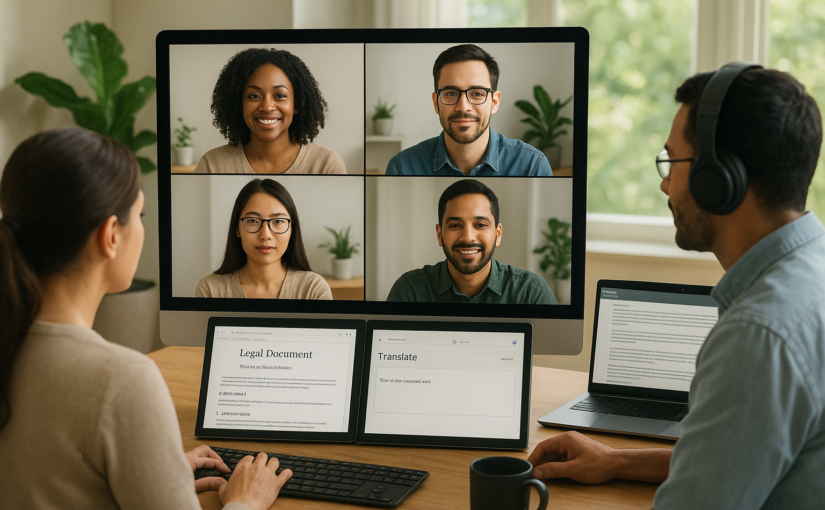
Video remote interpreting, often called VRI, connects all parties through a live video platform. Like phone interpreting, it is remote and can often be accessed quickly. The difference is that participants can see one another and the interpreter. This visual component is especially valuable when body language, facial expression, demonstrations, or sign language interpretation are important.
VRI is commonly used in healthcare, legal consultations, education, and social services. It can improve clarity in complex conversations and create a more personal interaction. However, it depends more heavily on internet stability, camera quality, and platform usability.
Interpreter Over the Phone: Key Benefits
- Fast access: An interpreter over the phone is often the quickest way to connect with a qualified linguist for urgent calls.
- Lower technical barriers: Audio-only communication works well when video tools are unavailable or impractical.
- Broad language coverage: Phone interpreting providers frequently support a large number of languages and dialects.
- Cost efficiency: For short, straightforward conversations, phone interpreting may be more economical than video-based solutions.
- Privacy in simple interactions: Some users feel more comfortable discussing basic issues without being on camera.
Video Remote Interpreting: Key Benefits
- Visual context: Seeing facial expressions and gestures can reduce misunderstandings.
- Better for complex or sensitive conversations: Nuanced discussions may benefit from visual engagement.
- Essential for sign language: VRI is often the preferred remote option for deaf or hard-of-hearing communication.
- Improved rapport: Video can make remote communication feel more human and connected.
- Useful for demonstrations: In medical or legal settings, participants may need to show documents, injuries, or procedures.
Which Is Best for Hospitals?
Hospitals often need both solutions, but the right choice depends on the clinical situation. An interpreter over the phone is excellent for registration, triage, medication questions, discharge instructions, and other fast-moving situations where immediate access is critical. In emergency departments, speed can matter more than visual interaction, making phone interpreting highly practical.
Video remote interpreting may be better for informed consent discussions, behavioral health encounters, pediatric care involving family interaction, and any situation where visual reassurance matters. If clinicians need to observe patient reactions or show instructions, VRI can improve communication quality.
For many healthcare organizations, the smartest approach is not choosing one over the other exclusively. Instead, they build a tiered language access strategy: use an interpreter over the phone for rapid response and VRI for cases requiring visual communication.
Which Is Best for Law Firms?
Law firms must consider confidentiality, precision, and client trust. An interpreter over the phone works well for intake calls, appointment scheduling, status updates, and urgent communication with clients who need immediate assistance. It can also be ideal when a lawyer needs quick clarification without arranging a formal video session.
However, video remote interpreting may be more effective for consultations involving detailed testimony, emotional conversations, witness preparation, or document review. Visual cues can help attorneys assess understanding and build stronger rapport with clients. In high-stakes legal matters, that added dimension may be worth the extra setup.
Still, for truly last-minute legal calls, an interpreter over the phone often wins on convenience and responsiveness.
Which Is Best for Last-Minute Client Calls?
When speed is the top priority, an interpreter over the phone is usually the best option. If a business receives an unexpected call from a prospect, customer, or patient who speaks another language, audio interpretation can connect everyone quickly with minimal friction. There is no need to troubleshoot cameras, links, or bandwidth issues.
That said, if the call involves a product demonstration, identity verification, visual explanation, or relationship-building conversation, video remote interpreting may offer a better client experience. The key question is simple: do you need immediate voice access, or do you need visual communication too?
How to Choose the Right Interpreting Service
- Assess urgency: If seconds or minutes matter, an interpreter over the phone is often the fastest solution.
- Evaluate complexity: If nonverbal communication plays a major role, consider VRI.
- Review compliance needs: Healthcare and legal organizations should confirm privacy, security, and documentation standards.
- Consider user comfort: Some clients prefer phone privacy, while others respond better to face-to-face interaction on screen.
- Plan for reliability: Phone interpreting is often more resilient in low-bandwidth or high-pressure environments.
Final Verdict
There is no single universal winner between an interpreter over the phone and video remote interpreting. For hospitals, law firms, and businesses managing last-minute client calls, the best solution depends on the balance between speed and visual context. If you need immediate, scalable, and efficient spoken-language support, an interpreter over the phone is often the strongest choice. If the conversation depends on visual cues, sign language, or relationship-building, video remote interpreting may be the better fit.
The most effective organizations do not treat this as an either-or decision. They invest in both options and deploy each one where it performs best. That approach improves access, protects service quality, and ensures clients receive timely communication when it matters most.
To reserve an interpreter over the phone or Zoom
- Google search Interpreter over the Phone or Zoom, such as L.A. Translation and Interpretation, Inc.
- Use any of Contact Us, Free Quote, Reserve an Interpreter Now on the website. Or send your document by email. They will send you a form to fill out.
- Fill out the form and send back to the company by email. State date, time, language, and nature of the event on the form.
- The company will send you a payment link. You can pay by Zelle and receive 5% discount.
- You will be connected to the interpreter at the date and time you requested.
- If it goes over the stated time, you will be charged $4 per minute extra.
Para reservar un intérprete por teléfono o Zoom:
1. Busque en Google servicios de interpretación por teléfono o Zoom, como L.A. Translation and Interpretation, Inc.
2. Utilice las opciones del sitio web para contactar, solicitar un presupuesto gratuito o reservar un intérprete de inmediato; también puede enviar su documento por correo electrónico. La empresa le enviará un formulario para completar.
3. Complete el formulario y envíelo de vuelta a la empresa por correo electrónico. Indique en el formulario la fecha, la hora, el idioma y la naturaleza del evento.
4. La empresa le enviará un enlace de pago. Puede pagar a través de Zelle y obtener un descuento del 5 %.
5. Se le conectará con el intérprete en la fecha y hora solicitadas.
6. Si se supera el tiempo establecido, se le cobrará un adicional de 4 dólares por minuto.
—
전화 통역과 화상 원격 통역: 무엇이 더 적합할까요?
조직이 즉각적인 언어 지원이 필요할 때, 실무적으로는 보통 두 가지 선택지로 좁혀집니다. 바로 interpreter over the phone, 즉 전화 통역과 화상 원격 통역입니다. 두 서비스 모두 영어가 익숙하지 않은 고객, 환자, 증인, 의뢰인과 실시간으로 소통할 수 있도록 돕습니다. 그러나 어떤 방식이 더 적합한지는 현장 환경, 긴급성, 규정 준수 요건, 그리고 시각적 단서의 중요성에 따라 달라집니다.
병원, 로펌, 그리고 갑작스러운 고객 전화를 처리해야 하는 기업에게 적절한 통역 방식을 선택하는 일은 단순한 편의의 문제가 아닙니다. 속도, 정확성, 이용자의 심리적 안정감, 나아가 법적 리스크에도 영향을 줄 수 있습니다. 언어 접근 서비스를 비교하고 있다면, 각 방식의 장점과 한계를 정확히 이해하는 것이 중요합니다.
전화 통역이란 무엇입니까?
Interpreter over the phone는 음성만으로 이루어지는 원격 통역 서비스입니다. 일반적으로 고객, 담당자, 통역사가 하나의 통화에 몇 분 내로 연결됩니다. 이 방식은 고객 서비스, 병원 접수, 법률 일정 조율, 보험 청구, 위기 대응 등 즉각적인 의사소통이 중요한 상황에서 널리 사용됩니다.
전화 통역의 가장 큰 장점은 속도입니다. 많은 제공업체가 다양한 언어에 대해 온디맨드 연결을 제공하므로, 긴급하거나 예측하기 어려운 상황에 매우 효과적입니다. 또한 필요한 기술적 조건도 낮습니다. 전화선, 휴대전화, 또는 간단한 회의 통화 환경만 있어도 충분한 경우가 많습니다.
화상 원격 통역이란 무엇입니까?
화상 원격 통역, 흔히 VRI라고 불리는 서비스는 참여자 전원이 실시간 영상 플랫폼을 통해 연결되는 방식입니다. 전화 통역처럼 원격으로 빠르게 이용할 수 있지만, 차이점은 참여자들이 서로와 통역사를 볼 수 있다는 점입니다. 이러한 시각적 요소는 몸짓, 표정, 시연, 또는 수어 통역이 중요한 상황에서 특히 큰 가치를 가집니다.
VRI는 의료, 법률 상담, 교육, 사회복지 분야에서 자주 활용됩니다. 복잡한 대화에서 이해도를 높이고, 보다 인간적인 상호작용을 만드는 데 도움이 됩니다. 다만 인터넷 안정성, 카메라 품질, 플랫폼 사용성에 더 크게 의존한다는 점은 고려해야 합니다.
전화 통역의 주요 장점
- 빠른 연결: 긴급 통화에서는 전화 통역이 가장 신속하게 전문 통역사와 연결되는 방법인 경우가 많습니다.
- 낮은 기술 장벽: 영상 도구를 사용할 수 없거나 사용하기 어려운 환경에서도 효과적으로 운영됩니다.
- 폭넓은 언어 지원: 전화 통역 서비스는 다양한 언어와 방언을 지원하는 경우가 많습니다.
- 비용 효율성: 짧고 비교적 단순한 대화에서는 화상보다 경제적일 수 있습니다.
- 간단한 상담에서의 심리적 편안함: 일부 이용자는 카메라 없이 기본적인 내용을 논의하는 것을 더 편하게 느낍니다.
화상 원격 통역의 주요 장점
- 시각적 맥락 제공: 표정과 제스처를 볼 수 있어 오해를 줄이는 데 도움이 됩니다.
- 복잡하거나 민감한 대화에 유리: 미묘한 뉘앙스가 중요한 대화에서는 영상이 더 효과적일 수 있습니다.
- 수어 통역에 필수적: 청각장애인 또는 난청인과의 원격 소통에서는 VRI가 선호되는 경우가 많습니다.
- 관계 형성에 도움: 영상은 원격 환경에서도 더 인간적이고 신뢰감 있는 소통을 가능하게 합니다.
- 시연이 필요한 상황에 적합: 의료나 법률 환경에서는 문서, 상처, 절차 등을 보여줄 필요가 있을 수 있습니다.
병원에는 어떤 방식이 더 적합할까요?
병원은 실제로 두 가지 방식이 모두 필요하지만, 어떤 상황인지에 따라 적합한 선택이 달라집니다. Interpreter over the phone는 접수, 분류, 복약 문의, 퇴원 안내처럼 빠르게 진행되는 상황에 매우 적합합니다. 응급실처럼 즉시성이 중요한 환경에서는 시각적 상호작용보다 신속한 연결이 더 중요할 수 있으므로 전화 통역이 매우 실용적입니다.
반면, 충분한 설명에 기반한 동의, 정신건강 상담, 가족과의 상호작용이 중요한 소아 진료, 또는 시각적 안심이 필요한 상황에서는 화상 원격 통역이 더 적합할 수 있습니다. 의료진이 환자의 반응을 살피거나 지침을 직접 보여줘야 하는 경우에도 VRI는 의사소통의 질을 높여줍니다.
많은 의료기관에게 가장 현명한 전략은 둘 중 하나만 선택하는 것이 아닙니다. 즉각 대응이 필요한 경우에는 전화 통역을, 시각적 소통이 중요한 경우에는 VRI를 사용하는 다층적 언어 접근 체계를 구축하는 것이 바람직합니다.
로펌에는 어떤 방식이 더 적합할까요?
로펌은 기밀성, 정확성, 그리고 의뢰인과의 신뢰를 함께 고려해야 합니다. Interpreter over the phone는 초기 상담 접수, 일정 조율, 사건 진행 상황 안내, 긴급한 의뢰인 대응에 매우 적합합니다. 변호사가 정식 화상 회의를 잡지 않고도 빠르게 사실관계를 확인해야 할 때에도 유용합니다.
하지만 상세한 진술, 감정적으로 민감한 상담, 증인 준비, 문서 검토가 포함되는 상담에서는 화상 원격 통역이 더 효과적일 수 있습니다. 시각적 단서는 변호사가 의뢰인의 이해도를 파악하고 더 강한 신뢰 관계를 형성하는 데 도움이 됩니다. 중대한 법률 사안에서는 이러한 추가적인 소통 차원이 충분한 가치가 있을 수 있습니다.
그럼에도 불구하고, 정말 촉박한 법률 관련 통화에서는 편의성과 즉시성 측면에서 전화 통역이 우위를 가지는 경우가 많습니다.
갑작스러운 고객 전화에는 무엇이 더 적합할까요?
속도가 최우선이라면, 일반적으로 interpreter over the phone가 가장 적합합니다. 기업이 다른 언어를 사용하는 잠재 고객, 기존 고객, 또는 환자로부터 예기치 않은 전화를 받았을 때, 전화 통역은 최소한의 준비만으로 모두를 빠르게 연결할 수 있습니다. 카메라, 링크, 네트워크 대역폭 문제를 따로 해결할 필요도 없습니다.
다만, 제품 시연, 본인 확인, 시각적 설명, 관계 형성이 중요한 통화라면 화상 원격 통역이 더 나은 고객 경험을 제공할 수 있습니다. 핵심 질문은 단순합니다. 즉각적인 음성 연결이 필요한가, 아니면 시각적 소통까지 필요한가입니다.
적절한 통역 서비스를 선택하는 방법
- 긴급성을 평가합니다: 몇 초 또는 몇 분이 중요한 상황이라면 전화 통역이 가장 빠른 해결책인 경우가 많습니다.
- 복잡성을 검토합니다: 비언어적 소통이 중요한 역할을 한다면 VRI를 고려해야 합니다.
- 규정 준수 요건을 확인합니다: 의료 및 법률 조직은 개인정보 보호, 보안, 문서화 기준을 반드시 검토해야 합니다.
- 이용자 선호를 고려합니다: 어떤 고객은 전화의 익명성과 편안함을 선호하고, 어떤 고객은 화면을 통한 대면형 소통에 더 잘 반응합니다.
- 신뢰성을 계획합니다: 전화 통역은 낮은 대역폭 환경이나 압박이 큰 상황에서 더 안정적으로 작동하는 경우가 많습니다.
최종 결론
Interpreter over the phone와 화상 원격 통역 사이에 모든 상황에 적용되는 단 하나의 정답은 없습니다. 병원, 로펌, 그리고 갑작스러운 고객 전화를 처리하는 기업에게 가장 적합한 선택은 속도와 시각적 맥락 사이의 균형에 달려 있습니다. 즉각적이고 확장 가능하며 효율적인 음성 언어 지원이 필요하다면 전화 통역이 가장 강력한 선택인 경우가 많습니다. 반대로 대화가 시각적 단서, 수어, 또는 관계 형성에 크게 의존한다면 화상 원격 통역이 더 적합할 수 있습니다.
가장 효과적인 조직은 이를 양자택일의 문제로 보지 않습니다. 두 가지 옵션 모두에 투자하고, 각각이 가장 잘 작동하는 상황에 맞게 배치합니다. 이러한 접근은 언어 접근성을 향상시키고, 서비스 품질을 보호하며, 가장 중요한 순간에 고객이 적시에 소통할 수 있도록 보장합니다.