
Introduction
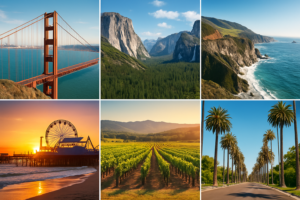
The United States is one of the world’s most varied travel destinations, offering iconic cities, dramatic national parks, historic landmarks, coastal escapes, and unforgettable cultural experiences. From the skyscrapers of New York to the desert canyons of Arizona, travelers can move through completely different landscapes, cuisines, accents, and local customs in a single trip. That variety is exactly what makes the country so exciting for international visitors.
If you are planning a vacation, business trip, study visit, or family journey, this guide will help you explore some of the most memorable places in the country while also preparing for practical travel needs. Below, you will find a curated list of must-see destinations, useful travel phrases, advice for using a translation app on your phone, tips for getting a good cell phone rate overseas, and easy ways to check the weather in the United States. Whether you are visiting for the first time or returning to see more, this travel guide will help you navigate the United States with greater confidence.
10 Must-See Places in United States
-
New York City, New York
New York City is one of the most recognizable destinations in the world. Visitors come for Times Square, Central Park, Broadway, the Empire State Building, and world-class museums such as The Metropolitan Museum of Art and the Museum of Modern Art. The city moves fast, feels electric, and offers endless dining, shopping, and sightseeing opportunities. For many travelers, it is the ultimate introduction to the United States.
-
Grand Canyon National Park, Arizona
The Grand Canyon is one of the most breathtaking natural wonders in the world. Its immense scale, layered red rock formations, and changing light create unforgettable views at sunrise and sunset. Travelers can enjoy scenic overlooks, hiking trails, mule rides, and rafting adventures below. It is a powerful reminder of the natural beauty found across the United States.
-
Washington, D.C.
The nation’s capital combines history, politics, and culture in a highly walkable setting. Must-see landmarks include the White House, the U.S. Capitol, the Lincoln Memorial, and the Washington Monument. The Smithsonian museums are especially appealing because many of them offer free admission. Washington, D.C. is ideal for travelers interested in American history, government, and iconic monuments.
-
San Francisco, California
San Francisco charms visitors with its steep hills, Victorian architecture, waterfront views, and famous Golden Gate Bridge. Popular stops include Fisherman’s Wharf, Alcatraz Island, Chinatown, and the cable cars. The city also serves as a gateway to nearby wine country, coastal drives, and Silicon Valley. It is a destination that balances urban energy with scenic beauty.
-
Yellowstone National Park, Wyoming, Montana, and Idaho
Yellowstone is America’s first national park and one of its most extraordinary. Travelers can see geysers, hot springs, waterfalls, canyons, forests, and abundant wildlife including bison, elk, and bears. Old Faithful is the park’s most famous geothermal feature, but there is wonder in every direction. Yellowstone is perfect for nature lovers and photographers seeking a classic American wilderness experience.
-
New Orleans, Louisiana
New Orleans offers a travel experience unlike any other in the United States. The city is known for its jazz music, Creole and Cajun cuisine, colorful French Quarter, and festive street life. Visitors can enjoy live performances, riverfront walks, historic architecture, and unique local dishes such as gumbo, jambalaya, and beignets. New Orleans is rich in atmosphere, flavor, and cultural identity.
-
Las Vegas, Nevada
Las Vegas is famous for its dazzling lights, grand hotels, entertainment shows, and nonstop energy. Beyond the casinos, visitors can enjoy celebrity-chef restaurants, luxury shopping, immersive art experiences, and easy day trips to nearby natural attractions like Red Rock Canyon and Hoover Dam. It is a city built for spectacle and excitement, making it a memorable stop for many travelers.
-
Miami, Florida
Miami blends beach culture, Latin American influence, nightlife, and tropical style. South Beach is known for its art deco buildings, white sand, and vibrant atmosphere, while neighborhoods like Little Havana offer music, coffee, and Cuban heritage. The city is also a useful base for visiting the Florida Keys or Everglades National Park. Miami feels sunny, international, and energetic year-round.
-
Honolulu and Waikiki, Hawaii
For travelers seeking island beauty, Honolulu and Waikiki provide a mix of urban convenience and Pacific paradise. Visitors can relax on famous beaches, hike Diamond Head, learn about history at Pearl Harbor, and enjoy Hawaiian food and culture. The scenery is lush and cinematic, with ocean views and volcanic landscapes all around. It is one of the most rewarding long-haul destinations in the United States.
-
Chicago, Illinois
Chicago stands out for its bold architecture, lakefront setting, and excellent food scene. Visitors can admire the skyline from an architecture boat tour, explore Millennium Park, visit the Art Institute of Chicago, and try deep-dish pizza. The city combines big-city sophistication with a welcoming Midwestern feel. It is especially appealing for travelers who enjoy culture, design, and urban exploration.
Useful Travel Phrases in United States
English is the primary language in the United States, so many international travelers already know basic English phrases. However, Spanish is the most useful secondary language for visitors in many parts of the country, especially in cities, airports, restaurants, hotels, and tourist areas. Learning a few simple Spanish phrases can be helpful when speaking with staff, drivers, shopkeepers, or fellow travelers.
Below are useful Spanish travel phrases with English meaning and easy pronunciation.
- Hello — Hola
- Thank you — Gracias
- Sorry — Lo siento —
- How much is it? — ¿Cuánto cuesta?
- Where is the restroom? — ¿Dónde está el baño?
- Bye — Adiós
- Please — Por favor
- Excuse me — Perdón
- I need help — Necesito ayuda
- Do you speak English? — ¿Habla inglés?
- I don’t understand — No entiendo —
- Can you show me on the map? — ¿Puede mostrarme en el mapa?
Even if you only use a few words, polite effort can make interactions smoother and more friendly. In large cities and major tourist areas, translation apps can also help bridge communication gaps quickly.
How to Use a Translation App on Your Phone
A translation app can be one of the most useful travel tools when visiting the United States, especially if you need help reading signs, understanding menus, speaking with drivers, or handling hotel and shopping questions. To get the best results, set up your app before you travel.
-
Download a reliable app before departure
Choose a trusted translation app such as Google Translate, Microsoft Translator, or another high-quality language tool. Install it while you still have stable internet access and make sure it is updated.
-
Download offline language packs
Before your flight, download the languages you are most likely to use, such as English and Spanish. Offline packs are extremely useful in airports, rural areas, national parks, or places with weak signal.
-
Use voice translation for quick conversations
Most translation apps allow you to tap a microphone icon and speak naturally. This is useful when asking for directions, ordering food, checking into a hotel, or confirming transportation details. Speak slowly and clearly for better accuracy.
-
Try conversation mode
Conversation mode lets two people speak back and forth while the app translates both sides. This can be especially helpful in taxis, stores, medical clinics, customer service counters, or casual travel situations where both people need to understand each other quickly.
-
Use the camera feature for text
Point your phone camera at printed text to translate menus, brochures, transportation notices, labels, and signs. This is one of the easiest ways to understand information instantly without typing.
-
Save common phrases
Most apps allow you to bookmark or save frequently used expressions. Save phrases related to hotels, food allergies, transportation, emergencies, and payments so you can access them fast.
-
Double-check important information
Translation apps are helpful, but they are not perfect. For critical matters such as medical care, legal documents, immigration forms, or business agreements, always confirm the meaning with a qualified interpreter or professional translator.
How to Get a Good Cell Phone Rate Overseas
Staying connected in the United States is important for maps, rideshare apps, hotel bookings, weather updates, and translation tools. International roaming can be expensive, so it is wise to plan ahead.
-
Check your home carrier’s international plan
Before traveling, ask your mobile provider whether they offer a United States travel package. Some plans include daily passes, fixed-rate data packages, or North America coverage. Compare the cost carefully with local alternatives.
-
Consider an eSIM
If your phone supports eSIM technology, this is often one of the easiest and most affordable options. You can buy a data plan for the United States online before arrival, activate it digitally, and avoid hunting for a physical SIM card.
-
Buy a local SIM card if staying longer
For extended trips, a local prepaid SIM card may offer better value. Major U.S. carriers and prepaid brands are available at airports, electronics stores, supermarkets, and mobile shops. Make sure your phone is unlocked before you travel.
-
Use Wi-Fi whenever possible
Hotels, cafes, airports, libraries, and many public spaces offer Wi-Fi. Connect when available for messaging, app updates, and video calls. This helps reduce mobile data usage significantly.
-
Turn off unnecessary roaming features
Disable automatic app updates, background data, and video autoplay when using cellular service. Also check that data roaming settings are configured correctly so you do not accidentally trigger high charges.
-
Use internet-based communication apps
Apps such as WhatsApp, FaceTime, Zoom, Telegram, and other messaging platforms can help you stay in touch over Wi-Fi or low-cost data instead of paying for international calling and texting.
-
Monitor your usage daily
Keep an eye on your data use through your phone settings or carrier app. Navigation, social media, and video streaming can consume data quickly, especially during long sightseeing days.
How to Check the Weather in United States
The weather in the United States varies dramatically by region and season. You may encounter snow in one state, desert heat in another, and tropical rain in a third. Because distances are large and climates differ widely, checking the forecast regularly is essential.
-
Use reliable weather apps
Popular weather apps such as The Weather Channel, AccuWeather, Apple Weather, and Weather Underground provide current conditions, hourly forecasts, radar maps, and severe weather alerts. These are especially useful for road trips and outdoor activities.
-
Check official sources
The National Weather Service and NOAA websites provide dependable forecasts, warnings, and storm information. If you are visiting national parks, coastal areas, or mountain regions, official alerts are particularly important.
-
Look up weather by city and state
When searching online, include both the city and the state, such as “Seattle, Washington weather” or “Phoenix, Arizona forecast.” Many U.S. cities share the same name, so adding the state helps avoid confusion.
-
Understand common weather terms
Travelers may hear terms such as heat advisory, thunderstorm warning, wind chill, humidity, wildfire smoke, hurricane watch, or tornado warning. Learn the meaning of these alerts if you are traveling seasonally or visiting regions known for extreme weather.
-
Check conditions before long drives or flights
Storms, snow, fog, and heavy rain can affect highways and air travel. Review forecasts the night before and again on the day of travel, especially if you are crossing multiple states.
-
Prepare for regional differences
Pack according to your route, not just your arrival city. A trip that includes New York, Las Vegas, and San Francisco may require very different clothing. Layers are often the smartest choice for U.S. travel.
Travel Smarter with Professional Language Support
Travel in the United States can be exciting, inspiring, and surprisingly manageable when you prepare for both sightseeing and communication. From famous landmarks and national parks to local transportation, weather changes, and multilingual interactions, a little planning goes a long way. Translation apps and mobile data solutions can solve many day-to-day travel challenges, but some situations require more than quick digital help.
If you need certified translations for travel documents, visa paperwork, academic records, legal forms, medical documents, or business materials related to your trip, latranslation.com is here to help. Professional certified translation and interpreting services are especially important when accuracy, acceptance, and clarity matter. Whether you are traveling for tourism, study, immigration, or international business, latranslation.com can support your communication needs with reliable, professional service.
Before your next journey, make sure your documents are ready, your language support is in place, and your plans are backed by experts you can trust. The United States offers extraordinary experiences, and with the right preparation, you can enjoy them with confidence.