
FBI Background Check Apostille Translation: Why It Matters in 2026
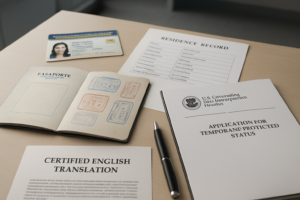
If you are moving abroad for work, teaching, residency, immigration, marriage, or long-term travel, there is a good chance you will be asked to provide a criminal history record from the United States. For many countries, that record is not enough on its own. You may also need an apostille and, in many cases, a certified translation. That is where FBI background check apostille translation becomes essential.
In 2026, document compliance is more important than ever. Immigration offices, public schools, private employers, visa agencies, and foreign ministries are enforcing stricter paperwork standards. A missing apostille, an incorrect translation, or a mismatch in names or dates can delay your visa, your job start date, or even your relocation plans. For expats, teachers, digital nomads, healthcare workers, and corporate transferees, understanding the process early can save time, money, and stress.
This guide explains what an FBI background check is, when apostille services are required, when translation is necessary, and how to prepare your documents correctly for international use.
What Is an FBI Background Check?
An FBI background check, often called an FBI Identity History Summary, is a federal criminal history record issued by the Federal Bureau of Investigation. It may show arrests, charges, or other reportable entries associated with your fingerprints, or it may confirm that no record exists.
Foreign governments and institutions commonly request this document for:
- Work visas
- Teaching positions abroad
- Residency permits
- Immigration applications
- Adoption procedures
- Citizenship or naturalization processes
- Marriage registration overseas
- Professional licensing
Because the FBI is a U.S. federal agency, its background check is often preferred over a state police clearance when the receiving country wants a nationwide record.
What Is an Apostille and Why Is It Required?
An apostille is a form of authentication used for documents that will be presented in countries that are members of the Hague Apostille Convention. It confirms the legitimacy of the signature and seal on the original public document so that it can be accepted abroad without further embassy legalization.
For an FBI background check, the apostille is typically issued by the U.S. Department of State because the document is federal, not state-level. This is a critical distinction. Many applicants mistakenly assume that any apostille office can process an FBI document, but federal documents follow a different legalization path.
Without the apostille, a foreign authority may reject your FBI report even if the report itself is genuine. That is why FBI background check apostille translation is often part of a larger compliance package for international use.
When Do You Need FBI Background Check Apostille Translation?
Not every country requires translation, but many do. Whether you need FBI background check apostille translation depends on the destination country, the receiving agency, and the purpose of your application.
You may need translation if:
- The destination country does not accept documents in English
- The immigration office specifically requests a certified translation
- The employer or school needs both the original and translated version
- The apostille certificate itself must also be translated
- You are applying through a local municipal office that requires documents in the national language
For example, a teacher relocating to Spain, South Korea, Italy, or France may be asked to submit an apostilled FBI check plus a translation for local processing. An expat applying for residency in Latin America may need both the FBI report and apostille translated into Spanish by a certified translator. Overseas workers in regulated industries may face even stricter formatting requirements.
Who Commonly Needs This Service?
Expats
Expats applying for residency, dependent visas, or family reunification often need an apostilled FBI background check. Since immigration offices may operate in the local language, translation is frequently required as well.
Teachers
International schools, public school programs, and language academies regularly ask for criminal background checks before hiring foreign teachers. In 2026, many education employers want a recent FBI report, apostille authentication, and a translation ready for labor or education authorities.
Overseas Workers
Professionals in healthcare, engineering, energy, aviation, construction, and corporate relocation often need a fully legalized document set. Delays in FBI background check apostille translation can hold up onboarding, work permits, and travel arrangements.
Digital Nomads and Remote Workers
Some digital nomad visa programs now require proof of clean criminal history. As these programs expand globally, translated apostilled background checks are becoming more common.
Does the FBI Background Check Get Translated Before or After the Apostille?
This is one of the most common questions. In most cases, the FBI background check should be apostilled first, and then the complete document package can be translated. That package may include:
- The FBI background check itself
- The apostille certificate attached to it
- Any cover page or supporting certification if required by the destination authority
This order matters because the apostille becomes part of the final document set used abroad. If you translate too early, you may end up paying for a second translation after the apostille is issued.
However, requirements vary. Some agencies want only the FBI report translated, while others require the apostille to be translated too. A professional service that handles FBI background check apostille translation can confirm the correct sequence for your destination country.
Common Mistakes That Cause Delays
International document processing can be unforgiving. Even a small error can create significant delays. Here are the most common problems applicants face:
- Submitting a state background check when the country requires an FBI check
- Requesting a state apostille instead of a federal apostille
- Using a translation that is not certified or not accepted locally
- Translating the FBI report but not the apostille certificate
- Misspelled names that do not match the passport
- Waiting too long and letting the background check expire
- Assuming all countries have the same legalization rules
Many foreign authorities impose validity windows, often 3 to 6 months from the issue date. If your paperwork takes too long, you may need to start over. That is why timing is a major part of successful FBI background check apostille translation.
How the Process Usually Works in 2026
- Obtain the FBI background check. You submit fingerprints and request your Identity History Summary from the FBI or an approved channeler, depending on your eligibility and timeline.
- Confirm destination requirements. Check whether the receiving country is part of the Hague Apostille Convention and whether translation is required.
- Get the federal apostille. The FBI document is sent for authentication through the U.S. Department of State.
- Translate the finalized document set. A professional translator prepares a certified translation of the FBI report, apostille, or both, depending on the requirement.
- Submit to the foreign authority. You provide the apostilled and translated documents to the employer, school, consulate, immigration office, or licensing body.
In non-Hague countries, embassy or consular legalization may be required instead of an apostille. A qualified document service can help determine the correct route.
How to Choose a Reliable Apostille and Translation Service
Because these documents affect visas, employment, and legal status, accuracy matters. Not all providers understand federal apostille rules or country-specific translation standards. When comparing services, look for:
- Experience with federal documents and FBI background checks
- Clear turnaround times
- Certified translation options
- Knowledge of country-specific requirements
- Secure handling of sensitive personal information
- Transparent pricing with no hidden fees
- Responsive customer support
A strong provider should be able to explain the full FBI background check apostille translation workflow, including whether the apostille, translation, notarization, or additional legalization steps are needed for your destination.
How Long Does FBI Background Check Apostille Translation Take?
Processing times vary based on several factors:
- How quickly you obtain the FBI report
- Current federal apostille backlog
- Shipping method and destination
- Language pair and translation complexity
- Whether rush service is available
In 2026, applicants should avoid last-minute processing whenever possible. Peak hiring seasons for teachers, immigration surges, and international recruitment cycles can all increase demand. If your move depends on document approval, start early and build in extra time for corrections or reissuance.
What Countries Commonly Request It?
Requirements change often, but apostilled and translated FBI background checks are commonly requested across Europe, Asia, Latin America, and the Middle East. Typical use cases include:
- Teaching English in Spain, Italy, South Korea, or Japan
- Residency or visa applications in Portugal, Mexico, or Colombia
- Professional licensing in the UAE or other regulated markets
- Corporate relocation to countries with strict immigration screening
Always verify current rules with the receiving authority. A school, employer, or local immigration office may have stricter standards than the national government website suggests.
Translation Quality Matters More Than Many Applicants Realize
Some people assume a simple translation is enough. In reality, official use abroad often requires a certified translation with a signed statement of accuracy. In some jurisdictions, the translator must meet local certification standards or the translation may need notarization.
Good FBI background check apostille translation should preserve every detail exactly as it appears in the original document, including names, dates, seals, headers, and notations such as “no arrest data” or similar record language. Even small inconsistencies can raise questions during visa review.
Final Tips for Expats, Teachers, and Overseas Workers
If you expect to live or work abroad in 2026, do not treat your background check as a last-minute task. Plan your paperwork early, confirm the exact destination requirements, and use professionals who understand both apostille processing and certified translation.
- Check whether the country requires an FBI report or accepts a state clearance
- Confirm whether an apostille or embassy legalization is needed
- Ask whether the apostille itself must be translated
- Make sure your passport name matches every document exactly
- Watch expiration windows closely
- Use a trusted provider for secure, accurate processing
The right preparation can make your move abroad smoother and faster. Whether you are an expat applying for residency, a teacher preparing for a contract overseas, or a worker relocating for a new opportunity, proper FBI background check apostille translation helps ensure your documents are accepted the first time.
Conclusion
FBI background check apostille translation is a critical step for many international applications in 2026. It connects three essential needs: proving identity and criminal history, authenticating the document for foreign use, and making it understandable to the receiving authority. For high-stakes situations like visas, jobs, and residency permits, getting this process right is not optional.
If you are preparing documents for use abroad, take the time to verify the rules for your destination and work with a service that specializes in apostille and translation support. A well-prepared FBI background check can help you move forward with confidence, avoid delays, and start your next chapter overseas on schedule.