
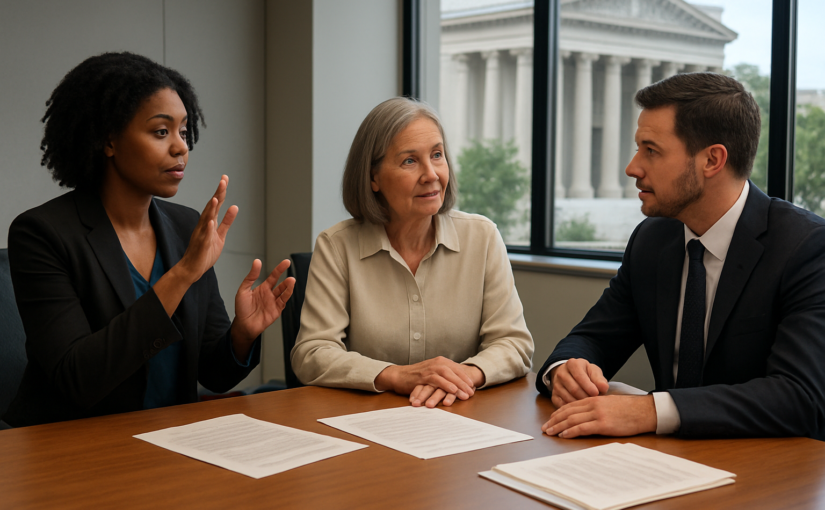
If you are Deaf or hard of hearing and use ASL, legal matters can feel overwhelming when communication is not fully accessible. Working with an American Sign Language certified interpreter can help protect your rights, reduce misunderstandings, and make sure important information is communicated clearly in California legal settings.
This guide answers common questions from Deaf individuals and families who need ASL interpreting or translation for court, immigration, family law, contracts, records, and other legal matters. Because legal outcomes can affect your freedom, finances, parental rights, and future, it is important to understand what kind of language support is appropriate for each situation.
Why a certified interpreter matters in California legal matters
Legal communication is different from everyday conversation. Court hearings, attorney meetings, sworn statements, police reports, and official filings often involve technical terms, strict procedures, and serious consequences. A mistake in interpretation or translation can change the meaning of testimony, deadlines, consent, or legal rights.
For Deaf and hard-of-hearing ASL users, accurate communication is not just helpful. In many situations, it is essential for equal access. A qualified interpreter helps ensure that questions, answers, warnings, and legal options are conveyed as completely and accurately as possible. In court and other formal settings, the right credentials may also be required by law, policy, or the receiving agency.
In California, legal professionals and public agencies should not assume that any signer, family member, or bilingual person can handle legal interpretation. Legal ASL work requires skill, neutrality, confidentiality, and familiarity with specialized terminology. That is why asking for the right interpreter or translator early can prevent delays and protect your case.
Common legal situations where ASL interpreting or translation may be needed
Court cases: civil, criminal, family, and traffic
Many people first need an interpreter for court. This may include civil lawsuits, criminal cases, restraining order hearings, child support matters, custody disputes, probate hearings, small claims, and traffic court. In these settings, California courts often require interpreters with specific court credentials. If you are attending a hearing, deposition, or attorney-client meeting related to a case, ask what type of interpreter is required and who will arrange access.
Immigration matters and USCIS filings
Immigration cases often involve forms, supporting documents, interviews, declarations, and deadlines. Deaf clients may need ASL interpretation for meetings with an attorney, preparation for interviews, or communication during proceedings. Written documents may also need translation services, depending on the source language and the agency requirements. Accuracy is especially important because inconsistencies can lead to delays, requests for evidence, or denials.
Divorce, custody, and family law
Family law matters are highly personal and often emotionally stressful. Miscommunication about parenting plans, visitation schedules, support obligations, or settlement terms can create long-term problems. A qualified interpreter helps keep communication clear during attorney meetings, mediation, and hearings. If written evidence or declarations are involved, proper translation procedures may also be needed.
Wills, trusts, estates, and probate
Estate planning documents must reflect a person’s true intent. If a Deaf signer is discussing a will, trust, power of attorney, or probate issue, precise interpretation is critical. Family members should not guess at legal meaning or pressure the signer during the process. Neutral language professionals help support informed decisions and clearer records.
Contracts and business matters
Business contracts, employment agreements, real estate paperwork, and partnership documents can contain complex clauses about payment, liability, confidentiality, and dispute resolution. ASL interpretation may be needed during negotiations or document review meetings. If documents in another language must be submitted to a lawyer, court, or agency, certified translation may also be necessary.
Vital records: birth, marriage, and death certificates
Certified translations are often required when vital records are submitted for immigration, probate, marriage, inheritance, or identity-related legal matters. While ASL itself is not a written language, Deaf clients may still need interpretation to understand how these records affect a case and translation of supporting documents if they were issued in another language.
Police reports and DMV matters
Police interactions, witness statements, accident reports, license hearings, and DMV issues can all involve legal rights and deadlines. Misunderstanding a question, warning, or form can have serious consequences. If you are Deaf or hard of hearing, request appropriate communication access as early as possible and document your request.
What “certified” means for an American Sign Language certified interpreter
The word “certified” can mean different things depending on the service needed. This is one of the most common areas of confusion.
California court-certified interpreters
For court proceedings, California may require interpreters with court-recognized qualifications. Court-certified or court-approved interpreters are used for formal legal settings where accuracy and procedure are especially important. If your matter involves a hearing, trial, or other court event, ask the court or your attorney whether a court-certified interpreter is required.
ATA-certified translators
The American Translators Association, or ATA, certifies translators of written languages. This applies to written document translation, not ASL interpreting. For example, if you need a birth certificate, marriage certificate, foreign court order, or contract translated into English for legal use, an ATA-certified translator may be appropriate depending on the receiving authority’s expectations.
Signed declarations of accuracy
Many legal and immigration filings require a signed statement from the translator certifying that the translation is complete and accurate and that the translator is competent to translate the document. This is often called a certificate or declaration of accuracy. It is common for USCIS and other agencies. This requirement applies to written document translation, not live ASL interpretation.
When each one is required
In simple terms, live ASL communication usually requires a qualified interpreter, and court events may require a court-certified or court-approved interpreter. Written foreign-language documents often require a professional translator and a signed declaration of accuracy, and in some cases clients prefer or request an ATA-certified translator. The exact requirement depends on the court, agency, attorney, or document recipient.
Why not rely on family, friends, or AI tools?
It may seem easier to ask a relative, friend, or bilingual acquaintance to help. For legal matters, that can be risky.
- Family members and friends may not know legal terminology.
- They may leave out details, summarize, or change tone without realizing it.
- They may have a personal interest in the outcome.
- They usually are not trained in confidentiality, neutrality, or legal procedure.
- They may be called into question if the accuracy of communication is later challenged.
Machine translation and AI tools also carry serious risks. They can mistranslate legal terms, miss context, mishandle names and dates, or produce wording that sounds correct but is legally inaccurate. AI tools are not a substitute for a qualified human professional in legal matters, especially when rights, testimony, contracts, or official filings are involved.
For Deaf ASL users, this issue is even more important because ASL is a distinct language with its own grammar and structure. Legal meaning cannot be safely reduced to casual interpretation or automated text output.
How to get help and what to prepare
If you need legal interpreting or translation, gather the basic details before contacting a provider. This can speed up scheduling and help you receive the correct service.
- The type of legal matter, such as court, immigration, family law, probate, or DMV.
- The date, time, and location of any hearing, meeting, or interview.
- Whether you need live ASL interpreting, written document translation, or both.
- The names of the court, agency, attorney, or office involved.
- Copies of documents for review, if translation is needed.
- Any deadlines for filing or submission.
- Any special access needs, including remote interpreting or in-person support.
Turnaround time varies. A single document translation may be completed relatively quickly, while a larger file or urgent court matter may require advance coordination. Interpreter availability can also depend on the subject matter, location, and whether court credentials are needed. The best practice is to request help as early as possible.
L.A. Translation can help clients in California coordinate legal language services with care and professionalism. Depending on your needs, that may include arranging qualified ASL interpreters, providing certified written translations for legal and immigration documents, and supplying signed declarations of accuracy when required. Clear communication at the start helps ensure you receive the correct service for your legal situation.
Frequently asked questions
Do I always need an American Sign Language certified interpreter for a legal matter?
Not every legal interaction requires the same credential, but legal matters should always use a qualified professional. Court proceedings may require a court-certified or court-approved interpreter. Attorney meetings, mediation, and other legal conversations still require an experienced interpreter who can handle legal terminology accurately.
Can a family member interpret for me in court or at a lawyer’s office?
Usually, this is not a good idea and may not be accepted. Family members are not neutral, may not understand legal language, and can create problems if the accuracy of communication is challenged later.
Is ASL translation the same as document translation?
No. ASL interpreting is live communication between signed and spoken language. Document translation is the written translation of texts such as certificates, contracts, or court records. Legal matters sometimes require both services.
What if I need help fast for a court date or filing deadline?
Contact a professional language provider immediately with your deadline, case type, and documents. Rush options may be available, but early notice gives you the best chance of securing the right interpreter or translator.
When legal rights are at stake, do not leave communication to chance. Contact L.A. Translation today to arrange professional ASL interpreting or certified legal translation support for your California matter.