

Sertipikadong Tagasalin ng Tagalog: Mahahalagang Sagot para sa mga Usaping Legal sa California

Kapag may kaso sa korte, usaping imigrasyon, o mahalagang legal na dokumento, ang tulong ng sertipikadong tagasalin ng Tagalog ay hindi luho kundi pangangailangan. Para sa maraming pamilyang Pilipino at maliliit na negosyong nakabase sa California, ang isang maling salin ay maaaring magdulot ng pagkaantala, dagdag-gastos, o mas mabigat na problema sa legal na proseso. Sa artikulong ito, sasagutin natin ang mga pinakaimportanteng tanong tungkol sa sertipikadong pagsasalin at kung paano ito nakatutulong sa mga Tagalog speaker na humaharap sa korte, USCIS, at iba pang opisyal na tanggapan.

Bakit mahalaga ang sertipikadong tagasalin ng Tagalog sa mga usaping legal sa California

Sa California, madalas na kailangan ang eksaktong pagsasalin ng mga dokumento at malinaw na interpretasyon sa mga pagdinig, panayam, at transaksiyong legal. Hindi sapat na “naiintindihan naman” ang nilalaman. Sa legal na konteksto, bawat petsa, pangalan, address, termino, at pahayag ay dapat tama, kumpleto, at pare-pareho sa orihinal.

Halimbawa, kung ang birth certificate, marriage certificate, o police report ay may maling salin, maaaring kuwestiyunin ang kredibilidad ng dokumento. Kung ang isang affidavit o kontrata ay may maling kahulugan dahil sa di-wastong pagsasalin, maaari itong makaapekto sa karapatan, obligasyon, o kinalabasan ng kaso. Para sa mga Tagalog speaker, ang paggamit ng propesyonal at kwalipikadong tagasalin ay nagbibigay ng dagdag na seguridad na ang dokumento ay maipapasa at mauunawaan nang tama ng hukuman, abogado, ahensiya, o opisyal.

Mga karaniwang sitwasyon kung kailan kailangan ang sertipikadong tagasalin ng Tagalog

Mga kaso sa korte: civil, criminal, family, at traffic

Sa mga kasong sibil at kriminal, mahalagang tama ang salin ng mga affidavit, exhibits, witness statements, at iba pang rekord. Sa family court, maaaring kailanganin ang pagsasalin ng mga mensahe, financial records, o dokumentong may kinalaman sa suporta, proteksiyon, o pag-aalaga sa anak. Kahit sa traffic matters, ang maling pag-unawa sa citation, hearing notice, o supporting document ay maaaring magbunga ng multa o karagdagang abala.

Imigrasyon at mga filing sa USCIS

Isa ito sa pinakakaraniwang dahilan kung bakit naghahanap ng sertipikadong pagsasalin. Kapag nagsusumite sa USCIS, karaniwang kailangan ang English translation ng anumang dokumentong wala sa Ingles. Kabilang dito ang birth certificates, marriage certificates, annulment o divorce records, school records, at iba pang civil documents. Dito mahalaga ang tamang format at kalakip na pahayag ng katumpakan ng tagasalin.

Diborsiyo, annulment, at custody

Sa mga usaping pampamilya, sensitibo at detalyado ang mga dokumento. Maaaring kailanganin ang pagsasalin ng komunikasyon ng mga magulang, medical records, school records ng bata, o mga order ng hukuman mula sa ibang bansa. Ang eksaktong salin ay kritikal upang maiwasan ang maling interpretasyon ng intensiyon, kasunduan, o pangyayari.

Last will, estate, at probate

Kung may testamento, death certificate, property records, o dokumentong may kaugnayan sa mana na nasa Tagalog, maaaring kailanganin itong isalin para sa abogado, hukuman, o tagapangasiwa ng estate. Sa ganitong sitwasyon, ang katumpakan ng mga pangalan, relasyon ng mga tagapagmana, at paglalarawan ng ari-arian ay napakahalaga.

Mga kontrata at dokumento ng negosyo

Para sa maliliit na business owner, maaaring kailanganin ang pagsasalin ng partnership agreements, service contracts, invoices, declarations, o correspondence. Kung may hindi pagkakaintindihan sa nilalaman ng kontrata, maaaring mauwi ito sa legal dispute. Ang propesyonal na pagsasalin ay tumutulong upang malinaw ang mga obligasyon at proteksiyon ng bawat panig.

Vital records: birth, marriage, at death certificates

Ang mga dokumentong ito ang madalas hingin sa immigration, probate, school enrollment, at iba pang opisyal na proseso. Kahit maliit na error sa pangalan, gitnang pangalan, petsa, o lugar ng kapanganakan ay maaaring magdulot ng request for evidence o pagtanggi ng aplikasyon.

Police reports at mga usapin sa DMV

Kung may aksidente, citation, o insidenteng may legal na implikasyon, maaaring kailanganin ang tumpak na pagsasalin ng police report, witness statement, o supporting records para sa abogado, insurer, o korte. Sa ilang DMV-related matters, mahalaga rin ang malinaw na dokumentasyon upang maiwasan ang pagkaantala sa proseso.

Ano ang ibig sabihin ng “sertipikado” sa sertipikadong tagasalin ng Tagalog

Maraming tao ang nalilito sa salitang “certified” dahil iba-iba ang kahulugan nito depende sa sitwasyon. Mahalaga ang tamang pag-unawa upang maiwasan ang pagsasayang ng oras at pera.

California court-certified interpreters

Ang court-certified interpreter ay para sa pasalitang interpretasyon sa hukuman, hindi awtomatikong para sa nakasulat na pagsasalin ng dokumento. Sila ay sertipikado para mag-interpret sa courtroom o legal proceedings ayon sa pamantayan ng korte. Kung hearing o trial ang usapin, maaaring interpreter ang kailangan mo.

ATA-certified translators

Ang ATA-certified translator ay isang propesyonal na nakapasa sa certification program ng American Translators Association sa partikular na language pair. Ito ay malakas na indikasyon ng kakayahan at propesyonalismo sa nakasulat na pagsasalin. Gayunman, hindi lahat ng ahensiya ay tahasang humihingi ng ATA certification; minsan sapat ang tamang certification statement o declaration of accuracy.

Signed declaration of accuracy

Sa maraming immigration at legal document submissions, ang mas mahalaga ay ang kalakip na pirmadong pahayag na ang salin ay kumpleto at tumpak, at na ang tagasalin ay may kakayahang magsalin mula Tagalog patungong English o kabaligtaran. Ito ang karaniwang hinihingi ng USCIS para sa mga translated documents.

Kailan alin ang kailangan?

  • Kung may pagdinig sa korte at kailangan mo ng pasalitang tulong, interpreter ang dapat hanapin.
  • Kung dokumento para sa USCIS o abogado ang isusumite, karaniwang kailangan ang tumpak na written translation na may signed certification o declaration.
  • Kung sensitibo, teknikal, o mataas ang pusta ng dokumento, makabubuting gumamit ng bihasa at propesyonal na tagasalin, at kung kailangan, may kinikilalang certification o specialization.

Mga panganib ng pag-asa sa kamag-anak, kaibigan, o machine/AI translation

Karaniwan ang tukso na magpatulong na lang sa kakilala o gumamit ng libreng online tool. Ngunit sa legal na usapin, mataas ang panganib nito.

  • Maaaring hindi nila alam ang legal na termino at tamang pormat.
  • Maaaring may hindi sinasadyang pagkukulang, pagdagdag, o maling interpretasyon.
  • Maaaring hindi tanggapin ng hukuman, abogado, o USCIS ang salin kung walang wastong certification statement.
  • Maaaring malagay sa alanganin ang pagiging kumpidensiyal ng sensitibong impormasyon.
  • Ang machine o AI translation ay maaaring magkamali sa konteksto, pangalan, petsa, at legal nuance.

Halimbawa, ang salitang may partikular na legal na kahulugan sa isang affidavit o police report ay puwedeng maisalin nang literal ngunit mali ang epekto sa konteksto. Sa legal na proseso, ang “halos tama” ay hindi sapat.

Paano makakuha ng tulong: mga ihahandang dokumento, karaniwang turnaround, at paano makatutulong ang L.A. Translation

Upang mapabilis ang proseso, ihanda ang malinaw na kopya ng dokumento. Mas mabuti kung kumpleto ang bawat pahina, nababasa ang mga selyo, pirma, at anotasyon, at walang putol ang litrato o scan. Kung may deadline, sabihin ito agad. Mahalaga ring ipaalam kung para saan ang salin: para ba sa USCIS, korte, abogado, DMV, o business filing.

Karaniwang naaapektuhan ang turnaround ng haba ng dokumento, kalidad ng kopya, at antas ng pagiging teknikal. Ang maiikling civil documents tulad ng birth o marriage certificate ay kadalasang mas mabilis matapos kaysa mahahabang kontrata, court filings, o police reports. Kung may rush request, mas mabuting itanong agad kung posible at kung ano ang eksaktong maihahatid.

Sa pagpili ng provider, hanapin ang may karanasan sa legal at immigration documents, malinaw sa proseso, at maingat sa pagiging kumpidensiyal. Dapat ding maipaliwanag sa iyo kung anong uri ng certification ang kasama at kung ang format ay akma sa layunin ng iyong submission.

Dito pumapasok ang L.A. Translation. Kung kailangan mo ng maaasahang tulong para sa Tagalog legal documents, immigration paperwork, business records, o court-related materials, makatutulong ang isang propesyonal na team na sanay sa mga hinihingi ng mga institusyon sa California. Ang tamang gabay mula sa simula ay nakaiiwas sa rejection, revision, at hindi kailangang stress.

FAQ tungkol sa sertipikadong tagasalin ng Tagalog

Kailangan ba ng USCIS ang sertipikadong salin ng mga dokumentong Tagalog?

Oo. Kung ang dokumento ay wala sa Ingles, kailangan ng kumpleto at tumpak na salin sa Ingles na may kalakip na certification o declaration mula sa tagasalin na nagpapatunay sa katumpakan at sa kanyang kakayahan.

Puwede bang kamag-anak ko na lang ang magsalin ng birth certificate o marriage certificate?

Sa ilang sitwasyon, maaaring isipin ng tao na puwede ito, pero hindi ito ang pinakamainam para sa legal o immigration matters. Mas ligtas at mas propesyonal ang gumamit ng independent na tagasalin upang maiwasan ang conflict of interest, error, at posibleng pagtanggi ng dokumento.

Pareho ba ang interpreter at translator?

Hindi. Ang interpreter ay para sa pasalitang komunikasyon, gaya ng sa hearing o interview. Ang translator naman ay para sa nakasulat na dokumento, gaya ng certificates, kontrata, at court papers.

Gaano kabilis matatapos ang isang sertipikadong salin?

Nakadepende ito sa haba at uri ng dokumento. Ang simpleng vital records ay kadalasang mas mabilis, habang ang mas mahahabang legal files ay nangangailangan ng masusing review. Pinakamainam na magtanong agad para sa eksaktong timeline.

Kung ang iyong kaso, aplikasyon, o dokumento ay mahalaga, huwag isugal sa hindi tiyak na salin. Makipag-ugnayan sa L.A. Translation para sa propesyonal, tumpak, at maaasahang tulong sa sertipikadong pagsasalin ng Tagalog para sa mga usaping legal sa California.
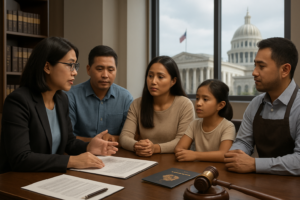
Tagalog Certified Translator Guide for California Law Firms and Legal Departments

A Tagalog certified translator can play a decisive role in California legal matters, from civil litigation and employment disputes to immigration-adjacent corporate compliance and cross-border transactions. For attorneys, paralegals, and in-house legal teams, the issue is not simply whether a document can be translated, but whether the translation will withstand scrutiny from courts, opposing counsel, regulators, and clients. Accuracy, procedural compliance, confidentiality, and turnaround all matter.

Tagalog is one of the most widely spoken languages in California, and legal matters involving Filipino individuals, businesses, witnesses, and records are common. Yet Tagalog legal translation is rarely straightforward. A reliable provider must understand linguistic nuance, documentary standards, and California practice expectations. This guide explains what legal teams should know when retaining a Tagalog certified translator and how to evaluate the right resource for the assignment.

The Role of a Tagalog Certified Translator in California Litigation and Transactional Work

In litigation, a Tagalog certified translator may be needed for pleadings support, witness statements, medical records, employment records, police reports, contracts, text messages, emails, social media evidence, and foreign-language exhibits submitted to the court. Counsel may also need certified translations during discovery, mediation, arbitration, or trial preparation. Even when a certified interpreter is handling spoken proceedings, written evidence still requires a defensible translation process.

In transactional and advisory work, legal departments often require Tagalog translations for corporate disclosures, HR policies, internal investigations, vendor agreements, compliance notices, employee acknowledgments, and due diligence materials. The translation may be used to inform consent, document notice, support an internal record, or communicate legal obligations to Tagalog-speaking stakeholders. In each setting, the stakes are practical and legal: a mistranslated provision or inaccurate exhibit can create delay, credibility problems, or evidentiary challenges.

California legal teams typically look for a translator who can do more than convert words. They need someone who can preserve meaning, identify ambiguities in the source, maintain formatting where necessary, and provide the certification or declaration appropriate to the use case. For example, a translation attached to a filing may need a signed declaration of accuracy, while a business-side translation may require strict confidentiality controls and a rapid turnaround for deal timelines.

Credentials Explained for a Tagalog Certified Translator

ATA Certification

One credential attorneys often ask about is certification by the American Translators Association, or ATA. ATA certification is a respected professional credential demonstrating that a translator has passed a rigorous examination in a specific language pair and direction. It is an important indicator of professional competence, but legal teams should understand its limits. ATA certification does not make someone a court-certified interpreter, and it does not by itself determine whether a translation will satisfy a particular court, agency, or evidentiary requirement.

For written legal translations, however, ATA-certified translators are frequently strong candidates because they have demonstrated tested translation ability and are bound by professional ethics. When reviewing a translator’s background, verify the language pair carefully. A translator may be ATA-certified in one pair but not necessarily in all directions or related languages.

Judicial Council Court Certification

California attorneys should also distinguish between written translation credentials and court interpreter credentials. Judicial Council certification generally applies to court interpreters for spoken proceedings. It is highly relevant when your matter involves in-court interpretation, depositions, or attorney-client meetings requiring oral language access. But it is not the same thing as certification for written translation.

This distinction matters because some vendors use the word “certified” loosely. For legal teams, the key question is: certified for what purpose? If the assignment concerns written exhibits, declarations, contracts, or records, focus on written translation qualifications, legal experience, and the translator’s willingness to provide a properly executed certification or declaration of accuracy.

Sworn Declarations of Accuracy for Foreign-Language Exhibits

In many California matters, the practical requirement is a signed statement attesting that the translation is true and accurate to the best of the translator’s knowledge and ability. This declaration may accompany exhibits, discovery responses, or supporting materials. Counsel should confirm in advance whether the court, arbitrator, agency, or receiving party expects specific wording, notarization, or translator identification details.

A strong declaration typically identifies the translator, states the translator’s competence in English and Tagalog, identifies the document translated, and affirms that the translation is complete and accurate. Law firms should keep template language ready but also confirm that the translator is comfortable signing a declaration tied to the actual work performed.

Tagalog-Specific Challenges in Legal Translation

Tagalog legal translation involves issues that attorneys may underestimate if they are unfamiliar with Filipino languages and records. First, not every Filipino-language document is purely Tagalog in the narrow sense. Many real-world documents and communications reflect Filipino usage, code-switching with English, regional vocabulary, or influence from other Philippine languages. A translator must recognize what is actually on the page rather than assume a standardized register.

Dialects and Regional Variation

Witness communications, family records, employment messages, and social media content may contain regional phrasing, colloquialisms, or hybrid usage. A translator handling evidentiary material should be able to flag uncertain or region-specific terms instead of forcing an overconfident rendering. This is particularly important in disputes where intent, threats, consent, or timeline details are contested.

Scripts, Formatting, and Legacy Documents

Most modern Tagalog materials use the Latin alphabet, but legal teams may encounter handwritten records, older forms, church records, or poor-quality scans. Illegible entries, abbreviations, and mixed-language notations can affect the translation. A qualified translator should note when text is partially unreadable, when a term is ambiguous, or when a source document appears incomplete. Silent guesswork is unacceptable in legal translation.

Legal Terms Without Direct Equivalents

Some English legal concepts do not map neatly onto Tagalog, and vice versa. Terms related to trusts, indemnity, equitable relief, tenancy classifications, or corporate governance may require careful phrasing rather than word-for-word substitution. The translator’s job is to preserve legal meaning as faithfully as possible, not to create false equivalence. In some cases, a translator may use a clear descriptive rendering to avoid misleading precision.

Name Transliteration and Identity Consistency

Name consistency is another recurring issue. Filipino records may contain middle names, maternal surnames, suffixes, initials, or inconsistent spellings across passports, school records, employment files, and civil documents. A legal translator should preserve the source faithfully while helping counsel track identity consistency across exhibits. This is especially important in immigration-related employment matters, probate, family law, and cross-border due diligence.

How to Vet a Translator for Legal Use

Before assigning a sensitive matter, legal teams should conduct a practical vetting process. Do not rely on a website claim alone. Ask targeted questions that reveal whether the translator understands legal risk, documentation standards, and confidentiality expectations.

  • What experience do you have translating Tagalog documents for California litigation or legal transactions?
  • Are you ATA-certified, and if so, in which language pair?
  • Can you provide a signed certificate or declaration of translation accuracy?
  • Have you handled handwritten, poor-quality, or mixed-language Tagalog evidence?
  • What is your process for unclear text, annotations, or untranslated terms?
  • How do you protect confidential client information?
  • Will you sign an NDA and comply with law firm security protocols?
  • What is your chain-of-custody process for evidence and draft versions?
  • Can you preserve formatting, stamps, seals, and exhibit references when needed?
  • What are your standard and rush turnaround times?

Ask to review a sample declaration of accuracy before the matter becomes urgent. This helps ensure the wording is acceptable for your intended use. It is also wise to confirm whether the translator works alone or through subcontractors. If subcontractors are involved, counsel should understand who will access the documents and under what confidentiality controls.

For evidence handling, chain of custody matters. Legal departments should know how files are transmitted, stored, versioned, and returned or deleted. Secure portals, encrypted transfer methods, access restrictions, and documented retention policies are all relevant. If the translation concerns trade secrets, internal investigations, or personally identifiable information, these safeguards are not optional.

Pricing, Turnaround, and Rush Options

Tagalog legal translation pricing generally depends on document length, legibility, complexity, formatting requirements, certification needs, and deadline pressure. Straightforward civil records may be priced differently from dense contracts, annotated exhibits, or image-based files requiring substantial review. Attorneys should be cautious about choosing solely on price. In legal translation, the cheapest option can become the most expensive if errors require rework or undermine a filing.

Turnaround times vary by volume and complexity. A short certified translation may be completed quickly, while a large evidentiary set with handwritten notes, screenshots, and metadata references may require staged delivery. Many law firms benefit from asking for phased production: priority exhibits first, less urgent materials second. This can support motion deadlines or witness preparation without sacrificing quality control.

Rush service is often available, but it should be realistic. A reputable provider will explain what can be done accurately within the requested timeframe and what quality checks will still be applied. Legal teams should also ask whether weekend, evening, or same-day support is available for emergency filings or TRO-related matters.

Why Law Firms Choose L.A. Translation for Tagalog Certified Translators

Law firms and corporate legal departments choose L.A. Translation because legal translation requires more than bilingual ability. It requires process discipline, responsiveness, and an understanding of how translated documents are used in real legal settings. For Tagalog matters, that means careful attention to regional usage, evidentiary sensitivity, and certification requirements.

L.A. Translation supports attorneys and legal staff with professional Tagalog certified translators for litigation, arbitration, investigations, employment matters, contracts, and corporate documentation. The focus is on accuracy, confidentiality, and practical legal usability. Clients value clear communication, dependable turnaround, and the ability to provide declarations of accuracy for written translations when needed.

For California legal teams, the right translation partner reduces risk, saves time, and helps ensure that foreign-language documents are handled correctly from the outset. If your matter involves Tagalog records, witness communications, contracts, or court exhibits, contact L.A. Translation today to discuss your deadline, certification needs, and confidentiality requirements.