
Rocket Fuel for the Next Generation: Inside Elon Musk’s $10.6 Billion Pledge to Gift SpaceX Stock to Every Child in America
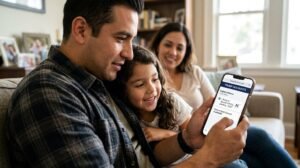
Rocket Fuel for the Next Generation: Inside Elon Musk’s $10.6 Billion Pledge to Gift SpaceX Stock to Every Child in America

On Monday, October 19, 2026, Elon Musk set off a financial shockwave across social media, Wall Street, and kitchen tables nationwide. Posting to his platform X, the founder and CEO of Space Exploration Technologies Corp. (SpaceX) made an unprecedented philanthropic commitment: “Next year, I will give one of my SpaceX shares to every kid in America. This will be the first of many.”
Following SpaceX’s historic June 2026 initial public offering (IPO)—the largest Wall Street debut in history, which briefly crowned Musk the world’s first trillionaire—the promise to transfer personal equity directly into the hands of approximately 72 million American minors represents the largest single wealth-transfer pledge to youth in modern history. Valued at roughly $10.6 billion based on current trading prices, Musk’s initiative surpasses the massive $6.25 billion pledge recently made by Michael and Susan Dell to seed youth investment accounts.
Arriving on the heels of artificial intelligence firm Anthropic’s announcement that it would commit 5% of its equity to a public benefit fund, Musk’s move signals a new era of “equity philanthropy.” Rather than funneling billions into traditional charitable foundations or bureaucratic grant-making bodies, tech titans are increasingly looking to turn the American public—starting with its youngest citizens—into direct shareholders in the frontier technologies shaping the twenty-first century.
For millions of parents—including the vast and rapidly growing communities of immigrant families raising U.S.-born children—the announcement has sparked an immediate flurry of practical, legal, and financial questions. How does a family actually claim a share of a $2 trillion aerospace company? How does this intersect with the federal government’s newly launched “Trump Accounts”? Who qualifies, what are the restrictions on selling, and what happens to that money over the next two decades?
This comprehensive guide breaks down the mechanics, demographics, valuation, and rules surrounding Elon Musk’s SpaceX stock giveaway and the federal investment infrastructure designed to hold it.

1. The Demographic Landscape: Second-Generation Children in America

A central question raised by Musk’s pledge to “every kid in America” is how broadly the net is cast across America’s diverse demographic landscape—particularly among second-generation children (defined by the U.S. Census Bureau and sociological researchers as children under the age of 18 who are born in the United States to at least one foreign-born parent).
Across the entire United States, there are roughly 72 million children under the age of 18. According to data from the Migration Policy Institute and the U.S. Census Bureau’s American Community Survey (ACS), approximately 17.6 million children in the U.S. live with at least one immigrant parent, accounting for roughly 26% of all American youth. Of those children, 87%—or roughly 15.4 million children—are second-generation Americans, meaning they were born on U.S. soil and hold birthright U.S. citizenship.
When looking specifically at children of Spanish, Chinese, and Korean heritage, demographic analyses from the Pew Research Center and Census Bureau tabulations provide a clear picture of these populations:
Heritage / Origin Group Total U.S. Population (Approx.) U.S.-Born Share Under Age 18 Estimated 2nd-Generation Kids (Under 18) Key Demographic Context
Spanish (Origin from Spain) ~990,000 ~22% – 25% ~50,000 – 65,000 Primarily multi-generational (88% U.S.-born); foreign-born Spanish immigrants total ~120,000.
Spanish-Speaking / Hispanic (Broader Comparison) ~65,000,000 ~30% ~9,800,000 – 10,000,000 Out of ~19 million Hispanic children in the U.S., slightly over half (52%+) are 2nd-generation.
Chinese American ~4,700,000 – 5,400,000 42% of U.S.-born ~750,000 – 850,000 60% of Chinese Americans are immigrants; the vast majority of U.S.-born Chinese minors have immigrant parents.
Korean American ~1,800,000 – 2,000,000 43% of U.S.-born ~280,000 – 320,000 About 1 million Korean Americans are foreign-born and ~810,000 are U.S.-born, with a median U.S.-born age of 20.5.

Breaking Down the Numbers:

  • 2nd-Generation Chinese Children (~750,000 to 850,000): According to the Pew Research Center’s analysis of Chinese Americans, roughly 4.7 million to 5.4 million people in the U.S. identify as Chinese (alone or in combination). About 60% are foreign-born immigrants (roughly 2.9 million), and 40% are U.S.-born (roughly 2.1 million to 2.3 million). Because the median age of U.S.-born Chinese Americans is remarkably young at just 20.5 years old, 42% of all U.S.-born Chinese Americans are under the age of 18 (totaling roughly 900,000 to 950,000 children). Because major waves of Chinese immigration occurred over the last three decades, an estimated 80% to 85% of these U.S.-born minors have at least one foreign-born parent, placing the 2nd-generation Chinese youth population at roughly 750,000 to 850,000.
  • 2nd-Generation Korean Children (~280,000 to 320,000): According to Pew Research Center data on Koreans in the U.S., approximately 1.84 million to 2 million Americans identify as Korean. Of that population, roughly 1.03 million are immigrants and 810,000 are born in the United States. Like Chinese Americans, the median age of U.S.-born Korean Americans is 20.5, and 43% of U.S.-born Korean Americans are under age 18—equating to roughly 348,000 children. Accounting for third-generation children born to U.S.-born Korean parents, approximately 280,000 to 320,000 are strictly second-generation children of Korean immigrants.
  • 2nd-Generation Spanish Children (Spaniards vs. Broader Hispanic/Latino): In demographic data, it is helpful to distinguish between immigrants specifically from the European nation of Spain (Spaniards) and the broader Spanish-speaking Hispanic/Latino population:
    • Immigrants from Spain: According to Pew Research’s profile on Spaniards in the U.S., roughly 990,000 Americans trace their heritage directly to Spain. However, 88% (about 870,000) are U.S.-born across many generations, and only 12% (about 120,000) are foreign-born immigrants from Spain. Consequently, the number of strictly second-generation children under 18 with at least one parent born in Spain is relatively small, estimated at 50,000 to 65,000.
    • Spanish-Speaking / Hispanic Immigrants Broadly: If “Spanish” is used colloquially to refer to Hispanic or Latino families from Spanish-speaking nations, the Hispanic Research Center and Pew Research note that there are 19 million Latino children under 18 in the United States. Slightly more than half (52% to 55%) are the U.S.-born children of immigrants, meaning there are roughly 9.8 million to 10 million second-generation Hispanic children in the U.S.
Every single one of these second-generation children—because they were born in the United States and hold a valid Social Security Number—is 100% eligible for the program on the exact same footing as a tenth-generation American child.

2. When Does It Start, and How Does the Program Work?

While the federal vehicle that will house the shares is already active, Musk’s specific SpaceX share distribution is slated to begin in 2027 (“Next year,” as announced on October 19, 2026).
To understand how Musk can legally drop a share of stock into the lap of 72 million minors without creating a logistical nightmare for parents, you have to understand the federal mechanism built for this exact moment: Trump Accounts (officially codified in the tax code as Section 530A IRAs).
Created under the One Big Beautiful Bill Act signed into law in 2025, Trump Accounts officially launched on July 4, 2026. When Musk announced his SpaceX stock pledge on October 19, President Donald Trump immediately praised the move on social media, stating, “This is exactly what was envisioned when we created TRUMP ACCOUNTS,” while financial reports from Bloomberg and CPA Practice Advisor confirmed that Musk plans to utilize the 530A account architecture to execute the distribution.
Why use the 530A framework? Under the Treasury rules governing Trump Accounts, there is a special provision for “Philanthropic Stock Gifts.” This clause allows approved entities and philanthropists to donate shares of publicly traded stock directly into the accounts of broad groups of eligible children (such as all eligible children nationwide or by birth year), and—crucially—these philanthropic stock gifts do not count toward the child’s $5,000 annual contribution limit. Furthermore, as economists at the Tax Foundation pointed out in the Washington Examiner, recent regulatory tweaks allow philanthropic stock donations to be deposited directly into the 530A infrastructure for every enrolled child automatically.

3. Eligibility: Age Limits, Citizens, and Green Card Holders

Because Musk’s SpaceX share distribution is designed to flow through the 530A Trump Account infrastructure, eligibility follows the federal rules established by the U.S. Treasury:

How Old Should the Kid Be?

  • For the SpaceX Share & General Trump Account: The child must be under the age of 18 (from newborn infants up to 17 years old). Specifically, the “growth period” rules apply from the day the child is born through December 31 of the calendar year before the child turns 18. Once a child turns 18, they are legally an adult, and the account converts into a standard Traditional IRA. Because Musk’s distribution takes place in 2027, children who are still under 18 at the time of the 2027 record date will qualify.
  • For the $1,000 Federal Seed Deposit: While all eligible children under 18 get a Trump Account (and qualify for philanthropic gifts like Musk’s SpaceX share), the U.S. Treasury’s one-time $1,000 federal government deposit is restricted to babies born between January 1, 2025, and December 31, 2028.

Citizens vs. Green Card Holders: Who Is Covered?

This is one of the most misunderstood aspects of the program, and the distinction comes down to two things: the child’s status vs. the parents’ status, and the federal $1,000 grant vs. general account eligibility.
  1. What if the parents are Green Card holders (or visa holders), but the child was born in the U.S.?
    Because of birthright citizenship under the Fourteenth Amendment, any 2nd-generation child born in the United States is a U.S. citizen with a Social Security Number (SSN). The parents’ immigration status does not disqualify the child. As long as a parent or legal guardian can verify their identity to claim the account as custodian, the U.S.-born child qualifies for everything—the $1,000 federal seed money (if born 2025–2028), the Trump Account, and philanthropic stock gifts like Musk’s SpaceX share.
  2. What if the child themselves is a Green Card holder (Lawful Permanent Resident) born abroad?
    • General Account & Philanthropic Gifts (SpaceX Share): According to U.S. Bank’s analysis of 530A Treasury guidelines, base eligibility for automatic enrollment in a 530A Trump Account requires two things: being under age 18 and holding a valid Social Security Number (SSN). Children who are Lawful Permanent Residents (Green Card holders) are issued valid, work-authorized Social Security Numbers. Therefore, children with Green Cards who hold a valid SSN are eligible to hold a 530A account and receive third-party philanthropic distributions like Musk’s pledge to “every kid in America.”
    • The $1,000 Federal Treasury Deposit: By contrast, the official Trump Accounts portal specifies that to receive the $1,000 taxpayer-funded U.S. Treasury deposit, the child must be a U.S. citizen born between 2025 and 2028. Thus, a foreign-born child on a Green Card would not receive the $1,000 federal cash grant unless they naturalize or derive citizenship, even though they can hold the account for private contributions and philanthropic stock grants.

4. How to Apply: Do Parents Need to Open a Stock Account?

Parents do not need to go to a traditional brokerage like Charles Schwab, Fidelity, or Robinhood to open a standard taxable brokerage or custodial (UTMA/UGMA) account to receive Musk’s SpaceX share. In fact, standard brokerage accounts won’t be the mechanism used for the mass drop.
Instead, the process works through automatic enrollment coupled with mandatory parental claiming:
  1. Automatic Creation: Earlier in October 2026, Treasury Secretary Scott Bessent announced that roughly 70 million Trump Accounts had already been automatically generated by the federal government for eligible children under 18 with valid Social Security Numbers. You do not need to “apply” from scratch to have an account created.
  2. Claiming and Activating the Account (Crucial Step): While the shell account is created automatically, a parent or legal guardian must officially “claim” and activate the account. Until a parent claims the account, they cannot manage it, make contributions, or formally elect to receive the $1,000 federal deposit (for 2025–2028 babies).
  3. How to Claim It:
    • Parents can visit the official federal portal at TrumpAccount.com (or follow instructions via IRS/Treasury tax filing forms) to claim their child’s account.
    • You will need your child’s Social Security Number, birth date, and documentation to verify your own identity as the parent or legal guardian.
    • Once claimed, the account is linked to your dashboard, where any philanthropic stock grants—including Michael Dell’s donations and Elon Musk’s upcoming 2027 SpaceX share distribution—will automatically appear once disbursed.

5. What Is One Share of SpaceX Worth Right Now?

For years, SpaceX was a closely held private company accessible only to venture capitalists, institutional funds, and employees. That changed on June 12, 2026, when SpaceX completed the largest IPO in financial history on the Nasdaq exchange under the ticker symbol SPCX, raising $75 billion at an initial valuation of roughly $1.75 trillion to $1.77 trillion.
Following its debut, SpaceX stock experienced the classic volatility of a mega-cap tech launch—soaring to an all-time intraday high of $225.64 shortly after going public, plunging to a post-IPO low of $104.83 in late July 2026, and subsequently staging a steady V-shaped recovery through the autumn.
As of the market close on Tuesday, October 20, 2026, here is the exact financial snapshot of one share of SpaceX (NASDAQ: SPCX):
  • Current Share Price: $147.79 (having traded between $143.27 and $148.66 on Tuesday, down slightly from Monday’s close of $147.96 and last week’s range near $150).
  • Total Market Capitalization: $2.005 Trillion.
  • 52-Week Trading Range: $104.83 – $225.64.
  • Wall Street 12-Month Target: Analysts surveyed by TradingKey currently maintain a 12-month price target of $180.00 to $220.00 per share as Starlink cash flows and Starship deployment scale.
  • Total Value of Musk’s Pledge: At ~$147.79 per share across 72 million children, Musk’s initial gift is worth $10.64 billion. Because Musk owned roughly 4.8 billion shares at the time of the IPO, gifting 72 million shares represents roughly 1.5% of his personal SpaceX holdings—leaving him richer than Jeff Bezos even after the giveaway.

6. The Rules of the Road: Can Parents Sell the Share, Monetize It, or Trade Individual Stocks?

When parents hear that their family is receiving free shares of SpaceX—especially families with three or four children who might suddenly see $450 to $600 worth of aerospace stock land in their accounts—their immediate questions are practical: Can I cash it out? Can I use it for groceries, rent, or family emergencies? Can I trade other stocks inside the account?
The short answer to all three is no. Because 530A Trump Accounts are structured as long-term, tax-deferred youth retirement/wealth-building accounts, the federal law locks the money down tightly during childhood.

Can Parents Monetize It or Sell It for Family Purposes?

No. Under federal 530A rules, from the day the account is opened until December 31 of the year before the child turns 18 (the “growth period”), distributions and withdrawals are strictly prohibited.
  • Parents are legally custodians, not the beneficial owners, of the assets.
  • You cannot liquidate the SpaceX share, the $1,000 federal seed deposit, or any philanthropic grants to pay for household bills, family vacations, or parental expenses.
  • The funds cannot be touched until the beneficiary turns 18 years old.

How Long Must They Keep It, and What Happens at Age 18?

The assets remain locked in the account until the child reaches age 18. On that milestone, two major things happen:
  1. Full Ownership Transfers to the Child: The parent’s custodial control ends, and the 18-year-old becomes the sole legal owner of the account.
  2. Conversion to a Traditional IRA: Under the law, a 530A Trump Account automatically converts into a Traditional IRA (Individual Retirement Account) at age 18.
    • This is a critical detail that personal finance experts like Suze Orman (as highlighted in 24/7 Wall St.) have urged parents to understand. Because it converts into a Traditional IRA, earnings grow tax-deferred, and withdrawals are taxed as ordinary income.
    • Furthermore, standard Traditional IRA rules generally impose a 10% early withdrawal penalty on distributions taken before age 59½, unless the 18-year-old uses the funds for federally qualified exceptions—such as qualified higher education expenses (college tuition, fees, books) or a qualified first-time home purchase (up to statutory limits).
    • If your child holds that single SpaceX share from infancy through age 18—or leaves it in the IRA to compound for decades—it has a multi-decade runway to grow tax-deferred.

Can Parents Use the Kid’s Account to Make Individual Stock Investments?

No. While parents and relatives are allowed to contribute up to $5,000 per year of their own after-tax money into a child’s Trump Account (and employers can contribute up to $2,500 per year toward that limit), parents cannot use the account to pick or day-trade individual stocks.
According to Treasury guidelines detailed by U.S. Bank:
  • Cash Contributions Are Restricted to Broad Index Funds: Any cash contributed by parents, grandparents, or employers is restricted by law to low-cost U.S. equity index funds or Exchange-Traded Funds (ETFs) that hold hundreds of the largest American companies (such as S&P 500 or total market index funds). By law, fund expense ratios are capped at a maximum of 0.10% (10 basis points) to prevent Wall Street fees from eating into children’s savings.
  • Why Is SpaceX Stock Allowed in the Account Then? The law carves out a specific exception for Approved Philanthropic Stock Gifts. While a parent cannot take $150 of their own cash inside a Trump Account and buy a share of SpaceX, Tesla, or Nvidia, a billionaire philanthropist or corporation (like Elon Musk) is legally permitted to donate shares of publicly traded stock directly into the accounts on a mass, non-discriminatory basis.
(Note: If a parent specifically wants to buy and trade individual stocks like Apple, Nvidia, or extra shares of SpaceX on behalf of their child using their own money, they would need to open a separate, traditional UTMA/UGMA custodial brokerage account at a private brokerage firm outside of the Trump Account system.)

7. Head-to-Head Comparison: Musk’s SpaceX Gift vs. The Trump Account (530A Fund)

Because “Trump Accounts” and “Musk’s SpaceX Share Giveaway” are constantly mentioned in the same breath, it helps to visualize how the account wrapper (the Trump Account) compares to the assets inside it (the Federal $1,000 Deposit vs. Musk’s SpaceX Stock Gift):
Feature The Trump Account (530A IRA Wrapper) Federal $1,000 Seed Deposit Elon Musk’s SpaceX Stock Gift
What It Actually Is The tax-deferred investment account (“the bucket”) created by federal law. A one-time $1,000 cash grant from the U.S. Treasury deposited into the bucket. 1 share of publicly traded SpaceX (NASDAQ: SPCX) stock deposited into the bucket.
Launch / Start Date Launched July 4, 2026. Active now (for qualifying births). Scheduled for 2027 (“Next year”).
Age Requirement All children under age 18. Only children born between Jan 1, 2025, and Dec 31, 2028. All children in America under age 18.
Citizenship / Status Valid SSN required (covers U.S. citizens and Green Card holders with an SSN). Child must be a U.S. Citizen (includes 2nd-gen kids born in the U.S. to immigrant parents). Expected to cover all 70M–72M kids enrolled in the 530A system with an SSN.
Current Value per Child $0 until funded (up to $5,000/yr family contribution limit). $1,000.00 flat. ~$147.79 (as of Oct 20, 2026; fluctuates daily with the stock market).
Counts Toward $5,000 Annual Limit? N/A (Sets the $5,000/year family contribution cap). No (Federal grant is separate from the $5,000 family limit). No (Philanthropic stock gifts are exempt from the $5,000 annual limit).
Investment Vehicle Holds index funds (capped at 0.10% fee) + approved philanthropic stocks. Invested automatically in broad U.S. equity index funds/ETFs. Held directly as common stock of SpaceX (NASDAQ: SPCX).
Can Parents Withdraw Early? No. Locked until the child turns 18. No. Locked until the child turns 18. No. Locked until the child turns 18.

Can the Same Account Be Used for Both?

Yes—in fact, that is the exact design. You do not need one account for the Trump Fund and a second account for Elon Musk’s SpaceX share. A child’s single 530A Trump Account acts as an umbrella portfolio. Inside that single account, a child born in 2026 could simultaneously hold:
  1. Their $1,000 U.S. Treasury seed deposit (invested in an S&P 500 / total U.S. market index fund),
  2. Their share of the Michael & Susan Dell philanthropic contribution,
  3. Their 1 share of SpaceX (SPCX) gifted by Elon Musk in 2027 (plus any future shares, as Musk hinted “This will be the first of many”), and
  4. Any voluntary cash contributions made by their parents or parents’ employers.

8. What Should Parents Do right Now? A Strategic Playbook

With Musk’s SpaceX distribution set for 2027 and the federal 530A framework already live, financial advisors and tax professionals recommend a clear, three-step strategy for parents:

Step 1: Claim the Account Immediately for the “Free Money”

Whether you are a billionaire fan, a skeptic, or somewhere in between, personal finance experts across the spectrum agree with Suze Orman’s core maxim: never leave free, no-strings-attached equity on the table. Even though the Treasury automatically created roughly 70 million accounts, millions of families have not yet logged in to verify their identity and formally claim them. By claiming your child’s account at TrumpAccount.com before the end of 2026, you ensure your child’s profile is active, verified, and ready when the 2027 SpaceX share distribution executes. (And if your child was born in 2025 or 2026, claiming the account and making the Treasury election immediately unlocks their $1,000 federal deposit.)

Step 2: Think Twice Before Putting Your Own Cash Into a Trump Account

While claiming the account to collect free government grants and billionaire stock giveaways is a financial no-brainer, depositing your own hard-earned after-tax paycheck into a Trump Account is a different story.
Why? Look at the tax treatment:
  • Contributions to a Trump Account are made with after-tax dollars (meaning you get no tax deduction today), and when your child withdraws the earnings in adulthood, those earnings are taxed as ordinary income (like a Traditional IRA). Furthermore, the money is locked away from your family until age 18 and subject to IRA rules thereafter.
  • By contrast, if you want to save your own money for your child’s college education, a 529 College Savings Plan allows your after-tax money to grow tax-free and be withdrawn 100% tax-free for qualified education expenses (with up to $35,000 eligible to roll over into a Roth IRA later).
  • If your older child has part-time earned income (from babysitting, lifeguarding, or a summer job), a Custodial Roth IRA allows their money to grow and be withdrawn completely tax-free in retirement.
Therefore, for most working and middle-class families, the smartest move is to use the Trump Account strictly as a “free wealth collector”—let it capture the $1,000 Treasury seed (if eligible), employer matching contributions (if your company offers a 530A match), philanthropic grants from the Dells, and Elon Musk’s SpaceX shares, while directing your own personal savings into 529 plans or Roth accounts first.

Step 3: Use the SpaceX Share as a Financial Literacy Tool

Perhaps the greatest hidden value of Elon Musk giving every American child a share of SpaceX isn’t just the ~$148 initial price tag—it’s the psychological shift of turning 72 million kids into equity owners. Every time a SpaceX Falcon or Starship rocket launches on television, children across the country—from Kansas and Florida to second-generation immigrant households in Los Angeles and New York—will be able to point at the screen and know they literally own a piece of that company.
Parents should hold onto the share (as required by the 530A lock-up rules until age 18) and use the account dashboard to teach their children how public markets work, why stock prices rise and fall, how compound growth operates over a 10- to 20-year horizon, and the difference between being a consumer and being an owner.

미국 결혼·이혼 한국 등록, 이혼판결문 25페이지 전부 번역해야 할까요? (번역공증 비용 아끼는 핵심 가이드)

[제목] 미국 결혼·이혼 한국 등록, 이혼판결문 25페이지 전부 번역해야 할까요? (번역공증 비용 아끼는 핵심 가이드)

미국에서 거주하시는 한인분들이 결혼이나 이혼을 한 뒤, 한국의 가족관계등록부(구 호적)를 정리하기 위해 저희 번역 사무실을 자주 찾으십니다.

상담을 하다 보면 가장 안타까운 경우 중 하나가 바로 20~30페이지가 넘는 미국 법원 이혼판결문(Divorce Judgment) 전체를 그대로 다 번역해서 수백 달러의 불필요한 번역료를 지출하시는 분들을 볼 때입니다.

결론부터 말씀드리면, 한국에 혼인 및 이혼 신고를 할 때 25페이지 전체를 다 번역할 필요는 없습니다. 재미 한인분들이 한국에 결혼과 이혼을 등록할 때 꼭 알아두셔야 할 필수 서류와 번역공증 요령을 명쾌하게 정리해 드립니다.

1. 미국 혼인신고의 한국 등록: 간단하고 명확합니다

미국에서 먼저 결혼식을 올리고 카운티(County)에 혼인신고를 마치셨다면, 한국에도 이를 보고적 신고로 등록해야 한국 서류상 부부로 인정받습니다.

  • 필수 서류: 카운티 클럭(County Clerk)에서 발급받은 혼인증명서 원본(Certified Copy of Marriage Certificate)이 필요합니다. (결혼식 전에 받는 Marriage License가 아니라, 혼인 후 정식 등록된 Certificate여야 합니다.)

  • 번역 분량: 혼인증명서는 보통 1페이지 분량입니다. 당사자의 성명, 생년월일, 혼인 일자 및 장소, 발행 기관의 인증 내역을 정확하게 한국어로 번역하여 제출하면 됩니다.

2. 미국 이혼판결문 25페이지, 왜 전부 번역할 필요가 없을까요?

문제는 이혼신고입니다. 미국 법원에서 발급받은 이혼판결문 정본(Certified Copy)을 떼어보면 보통 20페이지에서 많게는 40페이지에 달합니다. 많은 분들이 법원 직원이 스테이플러로 묶어준 서류 전체를 한 글자도 빠짐없이 번역해야 하는 줄 알고 그대로 맡기십니다.

하지만 미국 이혼판결문의 구조를 알면 비용을 대폭 줄일 수 있습니다. 25페이지짜리 판결문은 크게 두 부분으로 나뉩니다.

  1. 본 판결문 표지 및 주문 (예: 캘리포니아 FL-180 양식 등, 약 2페이지): 법원 이름, 사건번호, 당사자 이름, 판결 일자, 신분관계가 종료되는 날짜(Date marital status ends), 판사의 서명이 들어간 핵심 서류입니다.

  2. 부부재산합의서 (Marital Settlement Agreement, 약 20페이지 이상): 집, 자동차, 은행 계좌, 은퇴연금 분할, 위자료 및 채무 분담 등을 상세히 적어놓은 부속 합의서입니다.

한국 구청이나 재외공관(영사관)의 가족관계등록관은 오직 ‘신분 관계의 변동(이혼 성립 여부와 미성년 자녀의 친권·양육권)’만 심사하고 기록합니다. 누가 어떤 집을 가져가고 은행 계좌를 어떻게 나누는지는 한국 가족관계등록부에 기재할 사항이 아닙니다.

3. 이혼판결문 중 ‘꼭’ 번역해야 하는 핵심 페이지 (3~5페이지)

따라서 25페이지 중 한국 이혼 등록을 위해 반드시 번역해야 할 부분은 다음과 같습니다.

  • 핵심 판결문 (Judgment Form, 1~2페이지): 판결 선고일, 이혼 효력 발생일, 법원명, 사건번호, 피고 송달 및 출석 여부(한국 민사소송법 제217조 승인 요건), 판사 서명 및 법원 서기 인증(Certification)이 포함된 페이지.

  • 미성년 자녀 조항 (해당 시 1~2페이지): 만 19세 미만의 미성년 자녀가 있는 경우, 한국 가족관계등록부에 친권자(Legal Custody)와 양육권자(Physical Custody)를 지정해 등록해야 하므로 해당 조항이 나온 페이지는 필수입니다.

  • 합의서 마지막 서명 및 공증 페이지 (1페이지): 중간의 재산분할 내역(예: 4~23페이지)은 *”재산분할 및 위자료 관련 조항 생략”*이라는 번역자 주석 한 줄로 갈음하되, 양측 당사자가 합의서에 동의하고 서명·공증한 마지막 서명 페이지는 함께 번역해 주는 것이 안전합니다.

이렇게 추려내면 25페이지 중 실제로 번역이 필요한 분량은 보통 3~5페이지 내외로 줄어들며, 번역 비용과 시간을 80% 이상 절약할 수 있습니다.

4. 제출 시 절대 주의할 점 (영사관 vs 한국 구청)

  • 원본의 스테이플러는 절대 풀지 마세요: 번역은 핵심 페이지만 발췌해서 하더라도, 제출하는 법원 판결문 원본(Certified Copy)은 25페이지 전체가 묶인 상태 그대로 제출해야 합니다. 임의로 스테이플러를 빼면 공문서 훼손으로 반려됩니다.

  • 미국 내 한국 영사관 접수 시: 관할 지역 내 미국 법원 판결문은 보통 별도의 아포스티유(Apostille) 없이 법원 Certified Copy 원본과 번역본(번역자 인적사항 및 서명 기재)만으로 접수가 가능합니다.

  • 한국 구청(가정법원) 직접 접수 시: 한국에 있는 구청이나 법원에 직접 서류를 보낼 때는 미국 주정부 아포스티유(Apostille) 인증과 번역공증(Notarized Certificate of Accuracy)을 함께 첨부해야 반려 없이 한 번에 처리됩니다.

미국 결혼·이혼 서류의 한국 등록, 무조건 두꺼운 서류 전체를 번역하기 전에 한국 관공서가 요구하는 법적 요건을 정확히 아는 전문가와 먼저 상의해 보시기 바랍니다!

Dịch thuật công chứng tiếng Việt: Giải đáp câu hỏi thường gặp cho hồ sơ pháp lý tại California

Vì sao dịch thuật công chứng tiếng Việt đặc biệt quan trọng trong các vấn đề pháp lý tại California?

California là nơi có cộng đồng người Việt lớn, nhưng phần lớn thủ tục pháp lý vẫn yêu cầu tài liệu bằng tiếng Anh rõ ràng, chính xác và có thể kiểm chứng. Khi bạn nộp giấy tờ cho tòa án, USCIS, luật sư, công ty bảo hiểm hoặc cơ quan tiểu bang, bản dịch không chỉ cần đúng nghĩa mà còn phải phản ánh trung thực cấu trúc, nội dung và thông tin nhận dạng trong tài liệu gốc.

Trong thực tế, nhiều hồ sơ bị chậm vì bản dịch thiếu trang, dịch sai thuật ngữ pháp lý, bỏ sót dấu xác nhận, hoặc không kèm tuyên bố chứng nhận độ chính xác. Với các vấn đề như ly hôn, quyền nuôi con, hồ sơ bảo lãnh, tranh chấp hợp đồng hay di chúc, một bản dịch chuẩn có thể giúp luật sư, thẩm phán và cơ quan xét duyệt hiểu đúng sự kiện, mốc thời gian và quyền lợi của các bên.

Nói cách khác, dịch thuật công chứng tiếng Việt không chỉ là chuyển ngôn ngữ. Đó là một phần của quá trình bảo vệ tính chính xác, tính chấp nhận được của hồ sơ và quyền lợi pháp lý của người nộp.

Những tình huống thường gặp cần bản dịch được chứng nhận

1. Hồ sơ tòa án: dân sự, hình sự, gia đình và giao thông

Nếu bạn hoặc người thân liên quan đến vụ kiện dân sự, vụ án hình sự, lệnh cấm tiếp xúc, tranh chấp gia đình hoặc vi phạm giao thông, các tài liệu tiếng Việt có thể cần được dịch sang tiếng Anh để luật sư và tòa xem xét. Ví dụ gồm tin nhắn, thư từ, giấy vay nợ, giấy xác nhận quan hệ gia đình, hồ sơ bệnh án, hoặc biên bản từ Việt Nam.

Trong các vụ việc này, độ chính xác của bản dịch đặc biệt quan trọng vì từng câu chữ có thể ảnh hưởng đến cách hiểu về ý định, trách nhiệm hoặc tình tiết sự việc.

2. Hồ sơ di trú và nộp cho USCIS

USCIS thường yêu cầu mọi tài liệu không phải tiếng Anh phải kèm bản dịch đầy đủ sang tiếng Anh và chứng nhận của người dịch rằng bản dịch là chính xác, và người dịch có đủ năng lực để dịch. Những giấy tờ thường gặp gồm giấy khai sinh, giấy kết hôn, giấy ly hôn, hộ khẩu, lý lịch tư pháp, học bạ, bằng cấp và giấy chứng tử.

Đây là lĩnh vực mà nhiều người dễ nhầm lẫn giữa “công chứng” theo cách hiểu thông thường và “certified translation” theo yêu cầu hồ sơ. Không phải lúc nào cũng cần công chứng chữ ký tại phòng công chứng, nhưng gần như luôn cần tuyên bố chứng nhận từ người dịch hoặc đơn vị dịch thuật.

3. Ly hôn, cấp dưỡng và quyền nuôi con

Trong các vụ ly hôn có yếu tố Việt Nam, tòa hoặc luật sư có thể cần bản dịch của giấy đăng ký kết hôn, giấy khai sinh của con, tin nhắn giữa hai bên, chứng từ tài chính, hoặc quyết định của cơ quan tại Việt Nam. Nếu một bên không nói tiếng Anh thành thạo, việc dùng bản dịch chính xác giúp tránh hiểu sai về tài sản, lịch thăm nom, cấp dưỡng hoặc thỏa thuận dàn xếp.

4. Di chúc, thừa kế và quản lý di sản

Khi xử lý di chúc, giấy ủy quyền, giấy chứng tử, giấy tờ sở hữu tài sản hoặc hồ sơ thừa kế từ Việt Nam, bản dịch được chứng nhận giúp luật sư di sản và tòa probate đánh giá tài liệu nhanh hơn. Những hồ sơ này thường liên quan đến tên gọi khác nhau, thứ tự họ tên theo kiểu Việt Nam và cách ghi ngày tháng, nên cần người dịch hiểu rõ bối cảnh pháp lý.

5. Hợp đồng và giấy tờ kinh doanh

Chủ doanh nghiệp nhỏ có thể cần dịch hợp đồng mua bán, điều khoản hợp tác, giấy phép, hóa đơn, email thương mại hoặc hồ sơ tranh chấp với đối tác. Một bản dịch thiếu chính xác có thể làm thay đổi ý nghĩa điều khoản thanh toán, trách nhiệm bồi thường hoặc thời hạn thực hiện.

6. Giấy tờ hộ tịch và hồ sơ cá nhân

Giấy khai sinh, giấy kết hôn, giấy ly hôn, giấy chứng tử, sổ hộ khẩu, căn cước cũ hay xác nhận cư trú là những tài liệu được yêu cầu rất thường xuyên. Đây là nhóm giấy tờ cần dịch đúng từng chi tiết nhỏ như số giấy tờ, nơi cấp, dấu mộc, ghi chú bên lề và các thay đổi hộ tịch.

7. Báo cáo cảnh sát và vấn đề DMV

Trong tai nạn giao thông, yêu cầu bồi thường bảo hiểm, tranh chấp trách nhiệm hoặc xử lý với DMV, bạn có thể cần dịch báo cáo cảnh sát, tường trình nhân chứng, ảnh chụp tài liệu hoặc hồ sơ từ nước ngoài. Những trường hợp này đòi hỏi bản dịch rõ ràng, nhất quán và trình bày chuyên nghiệp.

Dịch thuật công chứng tiếng Việt thực sự có nghĩa là gì?

Nhiều người dùng cụm từ “dịch thuật công chứng” để chỉ mọi loại bản dịch chính thức. Tuy nhiên, trong bối cảnh pháp lý tại California, cần phân biệt rõ các khái niệm sau:

Thông dịch viên được tòa California chứng nhận

Đây là người được chứng nhận để phiên dịch trong môi trường tòa án cho các ngôn ngữ đủ điều kiện. Vai trò này khác với dịch tài liệu. Nếu bạn cần hỗ trợ trong phiên điều trần hoặc tại tòa, đây là vấn đề thông dịch, không phải chỉ là dịch văn bản.

Dịch giả được ATA chứng nhận

ATA là Hiệp hội Phiên dịch viên Hoa Kỳ. Chứng nhận ATA là một bằng chứng chuyên môn có giá trị, cho thấy dịch giả đã vượt qua tiêu chuẩn nghề nghiệp nhất định. Trong nhiều trường hợp pháp lý hoặc kinh doanh, việc sử dụng dịch giả ATA-certified giúp tăng độ tin cậy của bản dịch.

Tuyên bố chứng nhận độ chính xác của bản dịch

Đây là yếu tố thường gặp nhất trong hồ sơ nộp cho USCIS và nhiều mục đích pháp lý khác. Người dịch hoặc công ty dịch thuật ký tuyên bố xác nhận rằng bản dịch là đầy đủ, chính xác và người dịch có đủ năng lực ngôn ngữ. Đây thường là điều khách hàng thực sự cần khi nói đến “certified translation”.

Khi nào cần loại nào?

  • Nộp USCIS: thường cần bản dịch tiếng Anh đầy đủ kèm chứng nhận độ chính xác.
  • Ra tòa: có thể cần cả bản dịch tài liệu và thông dịch viên được chấp nhận trong phiên tòa.
  • Hợp đồng, di chúc, hồ sơ luật sư: thường cần bản dịch chuyên nghiệp, chính xác, có chứng nhận nếu được yêu cầu.
  • Trường hợp đặc biệt: luật sư hoặc cơ quan nhận hồ sơ có thể yêu cầu hình thức xác nhận cụ thể.

Vì yêu cầu thay đổi theo từng cơ quan, cách an toàn nhất là kiểm tra trước với nơi nhận hồ sơ hoặc làm việc với đơn vị dịch thuật có kinh nghiệm pháp lý.

Rủi ro khi dùng người thân, bạn bè hoặc máy dịch/AI cho hồ sơ pháp lý

Nhiều người muốn tiết kiệm chi phí bằng cách nhờ người quen dịch hoặc dùng công cụ máy dịch. Với tài liệu pháp lý, đây là lựa chọn rủi ro cao.

  • Thiếu tính khách quan và chuẩn mực: người thân có thể diễn giải theo ý hiểu thay vì dịch nguyên văn.
  • Sai thuật ngữ pháp lý: những từ như “custody,” “probate,” “dismissal,” “plea,” hay “power of attorney” không thể dịch theo nghĩa thông thường.
  • Không được chấp nhận: nhiều cơ quan cần chứng nhận độ chính xác từ người dịch đủ năng lực hoặc công ty chuyên nghiệp.
  • Bỏ sót chi tiết quan trọng: dấu mộc, ghi chú bên lề, phần đính chính hoặc chữ viết tay thường bị bỏ qua.
  • Rủi ro từ AI: công cụ AI có thể tạo câu nghe trôi chảy nhưng sai nội dung, sai ngữ cảnh hoặc tự “điền” phần không rõ trong tài liệu.

Trong hồ sơ pháp lý, một lỗi nhỏ có thể dẫn đến yêu cầu nộp lại, trì hoãn phiên xử, kéo dài thời gian xét hồ sơ hoặc gây bất lợi khi tranh tụng. Chi phí sửa sai thường cao hơn nhiều so với làm đúng ngay từ đầu.

Cách chuẩn bị để được hỗ trợ nhanh và chính xác

Bạn nên chuẩn bị gì?

  • Bản scan hoặc ảnh chụp rõ nét toàn bộ tài liệu, gồm cả mặt sau nếu có dấu hoặc ghi chú.
  • Thông tin về mục đích sử dụng: nộp USCIS, tòa án, luật sư, DMV, bảo hiểm hay hồ sơ kinh doanh.
  • Thời hạn cần nhận bản dịch.
  • Cách viết chính xác tên riêng theo giấy tờ Mỹ nếu cần đồng nhất.
  • Bất kỳ yêu cầu đặc biệt nào từ nơi nhận hồ sơ.

Thời gian hoàn thành thường bao lâu?

Thời gian xử lý phụ thuộc vào số trang, độ khó của tài liệu, chữ viết tay hay đánh máy, và việc có cần chứng nhận hay không. Các giấy tờ hộ tịch đơn giản thường có thể hoàn thành nhanh hơn, trong khi hồ sơ tòa án, hợp đồng dài hoặc bộ hồ sơ nhiều tài liệu sẽ cần thêm thời gian để kiểm tra thuật ngữ và định dạng.

L.A. Translation có thể hỗ trợ như thế nào?

L.A. Translation hỗ trợ khách hàng cần bản dịch tiếng Việt – tiếng Anh cho mục đích pháp lý, di trú và hành chính tại California. Khi làm việc với đơn vị chuyên nghiệp, bạn được hướng dẫn rõ tài liệu nào cần dịch, loại chứng nhận nào phù hợp và cách trình bày để hồ sơ chuyên nghiệp, nhất quán hơn. Điều này đặc biệt hữu ích nếu bạn đang làm việc cùng luật sư, chuẩn bị nộp USCIS, hoặc cần xử lý giấy tờ gấp cho tòa hay DMV.

Một quy trình tốt thường bao gồm tiếp nhận tài liệu, báo giá minh bạch, dịch bởi người có kinh nghiệm, kiểm tra chất lượng, và phát hành bản dịch kèm chứng nhận khi cần. Với các hồ sơ nhạy cảm, tính bảo mật cũng là yếu tố không thể bỏ qua.

Câu hỏi thường gặp về dịch thuật công chứng tiếng Việt

Bản dịch được chứng nhận có giống công chứng notarization không?

Không phải lúc nào cũng giống nhau. Trong nhiều hồ sơ, “certified translation” là bản dịch kèm tuyên bố chứng nhận độ chính xác của người dịch. “Notarization” là công chứng chữ ký theo thủ tục riêng. Bạn nên kiểm tra yêu cầu cụ thể của nơi nhận hồ sơ.

USCIS có chấp nhận bản dịch do người nhà tự làm không?

Về nguyên tắc, điều quan trọng là bản dịch phải đầy đủ, chính xác và có chứng nhận từ người có đủ năng lực dịch. Tuy nhiên, dùng người nhà thường không phải lựa chọn an toàn vì dễ phát sinh nghi ngờ, sai sót hoặc thiếu chuẩn mực trình bày. Dùng dịch vụ chuyên nghiệp thường đáng tin cậy hơn.

Tôi chỉ có ảnh chụp tài liệu từ Việt Nam, có dịch được không?

Thường là có, miễn ảnh rõ nét, đủ góc, không mất chữ và thể hiện đầy đủ dấu mộc, ghi chú. Nếu ảnh mờ hoặc thiếu phần nội dung, bạn có thể được yêu cầu gửi lại bản rõ hơn để tránh sai sót.

Nếu tên trên giấy tờ Việt Nam và giấy tờ Mỹ khác nhau thì sao?

Đây là tình huống rất thường gặp. Bạn nên thông báo trước cho đơn vị dịch thuật và luật sư nếu có, để tên được ghi nhất quán theo mục đích sử dụng và tránh gây nhầm lẫn trong hồ sơ.

Khi quyền lợi pháp lý, tình trạng di trú hoặc công việc kinh doanh của bạn phụ thuộc vào từng chi tiết trong giấy tờ, đừng để bản dịch kém chất lượng tạo ra rủi ro không đáng có. Hãy liên hệ L.A. Translation để được hướng dẫn đúng loại dịch vụ, nhận bản dịch chính xác, chuyên nghiệp và phù hợp cho hồ sơ pháp lý của bạn tại California.

Vietnamese Certified Translation in California: A Comprehensive Legal Guide for Law Firms and Corporate Counsel

Vietnamese certified translation is a critical service for California attorneys, paralegals, law firms, and in-house legal teams handling matters that involve Vietnamese-speaking clients, witnesses, employees, or opposing parties. In a state with one of the nation’s largest Vietnamese-speaking populations, translation quality can directly affect case strategy, evidentiary reliability, procedural compliance, and client communication. This guide explains when certified translation matters, how California court standards work, and how legal teams can request dependable Vietnamese language support for high-stakes matters.

California’s Vietnamese-Speaking Population and Why Legal Demand Is High

California is home to the largest Vietnamese-speaking population in the United States, making Vietnamese one of the most important languages for legal service providers across the state. Demand is especially strong in major population centers and litigation hubs, including Los Angeles County, Orange County, the Bay Area, and the Central Valley.

Orange County, particularly Westminster, Garden Grove, and surrounding communities, has long been recognized as a major center of Vietnamese American life. Los Angeles County also has a substantial Vietnamese-speaking population spread across the San Gabriel Valley, South Bay, and other urban corridors. In Northern California, San Jose and the broader Bay Area represent another major concentration, while the Central Valley continues to see demand in employment, immigration, family law, and criminal matters.

For legal professionals, these demographics translate into recurring needs for precise language access. Matters may involve Vietnamese-language contracts, employment records, text messages, audio recordings, police interviews, medical records, family communications, or business correspondence. In litigation and investigations, the need is not merely conversational interpretation but accurate, defensible translation that can stand up to scrutiny from opposing counsel, judges, arbitrators, and agencies.

When Vietnamese Court Certified Translation Is Required

Not every legal matter requires the same level of formality, but many proceedings demand Vietnamese court certified translation or similarly rigorous documentation. The key issue is whether the translated material will be used in an official setting where accuracy, chain of custody, and translator qualifications may be challenged.

Civil Litigation and ADR

In civil matters, Vietnamese translation is often needed at multiple stages of a case. Common examples include:

  • Privileged attorney-client meetings with Vietnamese-speaking clients or witnesses
  • Discovery review of emails, chat logs, handwritten notes, and business records
  • Depositions involving Vietnamese-language testimony or exhibits
  • Trial exhibits such as contracts, invoices, medical records, and correspondence
  • Arbitration submissions and hearing materials
  • Mediation briefs and supporting documents
  • Motions and declarations that rely on translated statements or exhibits
  • Appellate records where translations must be clear, consistent, and traceable

For example, a wage-and-hour class action may hinge on Vietnamese-language supervisor messages sent through SMS or WhatsApp. A business dispute may involve bilingual purchase orders, side agreements, or recorded calls. A personal injury case may require translation of Vietnamese medical histories or family communications about care. In each scenario, translation quality can affect admissibility, credibility, and settlement leverage.

Criminal Cases

Criminal defense and prosecution also regularly require Vietnamese translation support. Typical use cases include:

  • Police statements and incident reports containing Vietnamese-language content
  • Recorded witness interviews and body-worn camera audio
  • Jailhouse calls or interviews
  • Arraignment preparation and client communication support
  • Preliminary hearing exhibits and impeachment materials
  • Probation reports and mitigation submissions
  • Trial preparation, transcripts, and exhibit translation

In criminal matters, nuances matter. A mistranslated idiom, family term, or regional expression can alter meaning in ways that affect charging decisions, impeachment arguments, or sentencing narratives. That is why legal teams should avoid informal or unverified translation for any document or recording likely to become part of the court record.

Vietnamese Court Translators and California Judicial Council Standards

California courts distinguish between language access needs and the formal qualifications expected in court-related work. Depending on the county and proceeding, attorneys may encounter court interpreters listed on rosters or available through court systems, but availability can vary significantly by language, calendar, and region.

For Vietnamese, qualified professionals may have completed a credentialing pathway involving written and oral examinations associated with California court interpreter standards. These exams are designed to test not only bilingual fluency but also legal terminology, register, sight translation, consecutive interpretation, and professional ethics. The process is demanding because court language work requires far more than conversational ability.

For legal documents and evidentiary materials, verified credentials matter for a practical reason: they help support admissibility and reduce avoidable disputes. When a translator’s qualifications are documented and the translation is accompanied by a proper declaration or certification statement, counsel is in a stronger position to defend the accuracy of the translation if challenged. This can be especially important when translated evidence is attached to motions, used in depositions, presented in arbitration, or introduced at trial.

Credentials do not guarantee that every translation is beyond dispute, but they do provide a stronger foundation than ad hoc translation from an untested bilingual staff member, a relative, or a low-cost online vendor with no litigation experience. In high-stakes matters, that distinction can be decisive.

How to Request a Vietnamese Court Certified Translation from L.A. Translation

When requesting Vietnamese court certified translation from L.A. Translation, legal teams should begin by identifying the exact use case. The intended forum and document type will shape the workflow, certification format, and scheduling needs.

To streamline the request, be prepared to provide:

  • The document type or media format, such as PDF, Word files, scanned records, SMS exports, WhatsApp chats, audio, or video
  • The purpose of the translation, such as court filing, discovery, deposition prep, arbitration, mediation, internal investigation, or client communication
  • Any deadline, hearing date, deposition date, or filing date
  • Whether certification, a translator declaration, or notarization is needed
  • Whether formatting must mirror the source document for exhibit use
  • Whether names, slang, technical terms, or industry-specific terminology require special handling

For recordings, it is also important to disclose audio quality, number of speakers, approximate duration, and whether timestamps are required. For chat evidence, counsel should indicate whether message order, metadata, emojis, abbreviations, and attachments must be preserved. The more context the translation team has, the more defensible and useful the final product will be.

L.A. Translation can then assess scope, recommend the appropriate certification format, and build a workflow that aligns with litigation needs rather than treating the assignment like a generic commercial translation.

Transcription and Translation Workflow for Audio, Video, and Digital Evidence

Vietnamese legal evidence increasingly appears in audio, video, and mobile communications rather than in formal documents. That changes both timing and cost. For clear audio, a realistic planning estimate is often about one hour of professional work for each one minute of recorded content when transcription, review, translation, quality control, and formatting are all considered. Poor audio, overlapping speakers, dialect variation, background noise, or emotionally charged speech can increase that time substantially.

A careful workflow typically includes:

  • Initial media review for audibility, speaker count, and subject matter
  • Source-language transcription in Vietnamese where needed
  • English translation of the transcript
  • Timestamps at agreed intervals or speaker turns
  • Quality review for consistency, names, dates, slang, and legal terminology
  • Preparation of a translator declaration or certification statement

Text messages and chats require equal care. Evidence from SMS, WhatsApp, WeChat, Messenger, and similar platforms often includes shorthand, emojis, code-switching, typos, voice notes, screenshots, and fragmented context. A legally useful translation should preserve sequence, identify speakers where possible, and avoid “cleaning up” language in a way that changes tone or meaning. If a message is ambiguous, the translation should reflect that ambiguity rather than guessing.

Translator declarations are often a key finishing step. In litigation, a declaration can identify the translator, summarize qualifications, state that the translation is true and accurate to the best of the translator’s ability, and describe the source materials reviewed. This added formality can be valuable when the translation will be attached to a motion, exchanged in discovery, or used as an exhibit.

When Court Certification Is Not Required

Not every Vietnamese translation requires court certification. Two common examples are service abroad under the Hague Service Convention and USCIS filings.

For Hague Service Convention matters, the receiving country’s requirements control the needed translation format. In many cases, what matters is compliance with the destination authority’s rules, not California court certification. Legal teams should confirm the exact requirements for the country involved before ordering translation.

For USCIS filings, a formal court-certified translation is generally not required. Instead, USCIS typically accepts a complete English translation accompanied by a translator certification statement attesting that the translator is competent and that the translation is accurate. This is often described as an ATA-style translator statement, although the exact wording should match the filing context and document set.

Even where court certification is unnecessary, quality still matters. Immigration records, foreign service packets, and administrative filings can all be delayed or questioned if names, dates, seals, or substantive content are mistranslated.

Why AI and Cut-Rate Rush Translation Can Create Litigation Risk

AI tools and bargain translation services may appear efficient, but they can create substantial risk in legal matters involving Vietnamese. Vietnamese is rich in context, pronoun usage, regional variation, and implied meaning. Automated systems may mistranslate honorifics, omit ambiguity, flatten nuance, or misread slang and abbreviations. In chat evidence and recorded speech, these errors can materially change the perceived intent of a statement.

Low-cost rush vendors pose a different problem: lack of defensible process. If the translator’s identity, qualifications, review steps, and certification language are unclear, counsel may struggle to authenticate the translation or respond to a challenge from the other side. Any short-term savings can disappear quickly if a filing must be redone, a deposition is compromised, or an exhibit is excluded or attacked for inaccuracy.

For California legal teams, the safest approach is to use experienced professionals who understand both Vietnamese language issues and the procedural realities of litigation, arbitration, investigations, and court practice.

Choose a Translation Partner Built for Legal Scrutiny

Vietnamese certified translation is not a commodity purchase for legal matters in California. It is a specialized service that supports case preparation, evidentiary integrity, and effective advocacy across civil, criminal, and regulatory contexts. From Los Angeles and Orange County to the Bay Area and Central Valley, legal demand continues to grow alongside California’s Vietnamese-speaking communities.

If your matter involves Vietnamese documents, recordings, text messages, witness communications, or court-bound exhibits, contact L.A. Translation for a legally focused workflow, reliable certification options, and translation support designed for real-world scrutiny in litigation and beyond.