
Certified Translation for Immigrant Visa Documents in September 2026: What You Need for NVC and Consular Interviews

Certified Translation for Immigrant Visa Documents in September 2026
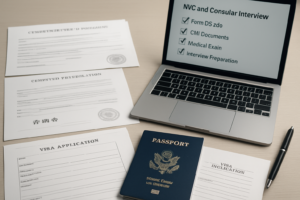
If you are applying for a family-based or employment-based immigrant visa, document preparation can determine whether your case moves smoothly or stalls at the National Visa Center (NVC) or the U.S. consulate. One of the most common issues applicants face is incomplete or noncompliant translation paperwork. In September 2026, the need for certified translation for immigrant visa documents remains a critical part of visa preparation, especially for applicants submitting civil records issued outside the United States.

For many families, the challenge is not simply translating a birth certificate or marriage certificate into English. The real issue is making sure the translation meets U.S. immigration expectations, matches the original record accurately, and is ready for both NVC document review and the consular interview. A poor translation can trigger delays, checklist notices, document rejection, or requests to resubmit records.

This guide explains what applicants typically need, which documents usually require translation, what “certified” means in this context, and how to choose a reliable provider for certified translation for immigrant visa documents.

Why Certified Translation Matters for Immigrant Visa Cases

U.S. immigration authorities require that documents in a foreign language be accompanied by a full English translation and a certification from the translator stating that the translation is complete and accurate and that the translator is competent to translate. For immigrant visa processing, this requirement often comes into play during NVC submission and again at the consular interview stage.

The purpose is straightforward: officers must be able to review the contents of your civil and legal records without ambiguity. If a translation is incomplete, if names do not match passport spellings, or if important annotations are omitted, your case may face unnecessary scrutiny.

Applicants often assume that a friend, relative, or bilingual acquaintance can translate everything informally. While some jurisdictions may not require notarization, the translation still needs proper certification and professional-level accuracy. When the stakes include visa approval, permanent relocation, and family reunification, using a professional service for certified translation for immigrant visa documents is usually the safer option.

What the NVC Usually Expects in 2026

The NVC reviews uploaded civil documents before scheduling many immigrant visa interviews. Although procedures can evolve, the core expectation remains the same: if a required document is not in English, you should provide a complete English translation with the proper certification unless the specific post accepts documents in another language under its local rules.

In practice, applicants should verify document and translation expectations in three places:

  • The U.S. Department of State reciprocity schedule for the country that issued the document
  • NVC submission instructions for immigrant visa applicants
  • The interview instructions issued by the specific U.S. embassy or consulate

Even when a consulate is familiar with local-language documents, English translations are often still essential for centralized processing or file review. That is why certified translation for immigrant visa documents should be treated as a standard preparation step, not an afterthought.

Documents That Commonly Require Certified Translation

Most immigrant visa applicants need to submit at least several civil records. Any of these may require translation if issued in a language other than English:

  • Birth certificates
  • Marriage certificates
  • Divorce decrees
  • Death certificates
  • Police certificates
  • Adoption records
  • Court and prison records
  • Military records
  • Name change documents
  • Household registries or family books
  • Custody documents for accompanying children
  • Passport biographic page, if requested in context

Some cases also involve supporting evidence such as employment letters, prior immigration records, or affidavits. While not every supporting document requires translation in every scenario, anything material to the visa decision should be reviewed carefully. A qualified provider of certified translation for immigrant visa documents can help identify whether a document should be translated in full.

What “Certified Translation” Means for U.S. Immigration

For immigrant visa purposes, a certified translation generally includes two components: the translated document itself and a signed certification statement from the translator or translation company. The certification usually confirms that:

  • The translation is complete and accurate
  • The translator is competent to translate from the source language into English

This is different from a casual translation and may also differ from notarization, apostille, or sworn translation requirements used in other countries. Applicants often confuse these terms. For U.S. immigration, the key issue is not whether the translation carries a foreign court stamp, but whether it satisfies the immigration requirement for accuracy and certification.

That said, local legal systems sometimes issue records with special seals, side notes, or handwritten annotations. A professional translator should reproduce all material information, including stamps, marginal notes, amendments, and signatures where relevant. Omitting these details is one of the most common reasons a translation appears incomplete.

Common Mistakes That Cause Delays

Many NVC and interview delays tied to translations are avoidable. The following problems appear frequently in immigrant visa cases:

1. Partial translation instead of full translation

Applicants sometimes translate only the main text and leave out seals, remarks, registration notes, or reverse-side entries. Immigration reviewers may treat the document as incomplete.

2. Name mismatches

If the translated name spelling does not align with the passport, petition, or DS-260, the officer may question whether the document belongs to the applicant. Consistency matters.

3. Missing certification statement

A translation without a proper certificate may be rejected even if the English text itself is accurate.

4. Low-quality scans

If the original document is blurry, cut off, or unreadable, even the best translation cannot solve the problem. The upload and the translation both need to be clear.

5. Using machine translation without review

Automated tools can mistranslate legal terms, dates, and place names. Immigration documents require human review and quality control.

6. Waiting until the last minute

Applicants often realize they need certified translation for immigrant visa documents only after receiving a checklist or interview notice. Rush orders are possible, but planning ahead reduces stress and error risk.

How to Prepare Documents for Translation

Before ordering translation services, organize your file carefully. Good preparation can improve accuracy and speed.

  1. Collect the final version of each civil document.
  2. Make sure scans are complete, legible, and in color if stamps or seals are important.
  3. Check whether both front and back need translation.
  4. Review names, dates, and document numbers for consistency with your passport and immigrant visa forms.
  5. Ask the translation provider whether they include certification automatically.
  6. Confirm delivery format, especially if you need PDF files for upload and printed copies for the interview.

When possible, provide context. For example, if a household register lists multiple family members, note which person is the principal applicant and which entries are especially important. Context helps reduce ambiguity in certified translation for immigrant visa documents.

What to Bring to the Consular Interview

Even after NVC document review, applicants should arrive at the consular interview fully prepared. Officers may ask to inspect originals and may compare them with uploaded copies and translations. In many cases, you should bring:

  • Original civil documents
  • Photocopies, if instructed
  • Printed certified translations
  • Any updated records issued after NVC submission
  • Evidence explaining corrections, amendments, or name differences

If a document was reissued, amended, or corrected after upload, obtain a new translation rather than relying on an outdated version. The interview file should reflect the same current record you intend the officer to review.

How to Choose a Translation Provider

Not all translation services are equally suited for immigration matters. When evaluating a company for certified translation for immigrant visa documents, look for the following:

  • Experience with U.S. immigration and visa cases
  • Clear certification included with each translation
  • Ability to handle civil, legal, and court-issued records
  • Human translators with quality review
  • Fast turnaround options for urgent cases
  • Transparent pricing per page or per word
  • Secure file handling for personal documents

It is also wise to ask whether the provider has translated documents from your country before. Familiarity with local formats, registry terms, and official abbreviations can improve accuracy significantly.

September 2026 Practical Checklist for Applicants

If you are actively preparing an immigrant visa case now, use this checklist to stay ahead:

  1. Review your NVC document list and country-specific reciprocity guidance.
  2. Identify every non-English document in your file.
  3. Order certified translation for immigrant visa documents well before your expected submission date.
  4. Verify that each translation includes a signed certification statement.
  5. Check names, dates, and document numbers against your passport and DS-260.
  6. Upload legible scans of both originals and translations as required.
  7. Print and organize interview copies in a clearly labeled folder.
  8. Re-translate any updated or corrected documents before the interview.

This simple process can help prevent avoidable checklists and reduce the chance of interview-day confusion.

Cost, Turnaround Time, and Value

Price matters, especially for families handling petition fees, medical exams, travel, and relocation costs. Still, the cheapest option is not always the most cost-effective. A rejected translation can lead to rework, delays, and extra stress that far outweigh small upfront savings.

Turnaround times for certified translation for immigrant visa documents vary based on language pair, document complexity, and urgency. Standard civil records may be completed quickly, while handwritten court records or multi-page registries may take longer. If your interview is approaching, ask about expedited service and whether the provider can deliver digital copies first.

Value comes from accuracy, compliance, and peace of mind. For most applicants, that is worth prioritizing.

Final Thoughts

Immigrant visa processing involves enough uncertainty without document problems adding another layer of risk. In September 2026, applicants preparing for NVC review and consular interviews should treat certified translation for immigrant visa documents as an essential part of case strategy, not a minor administrative detail.

Whether you need translations for birth records, police certificates, marriage documents, or court papers, the goal is the same: submit complete, accurate, professionally certified translations that help the reviewing officer understand your file immediately. With the right preparation and a reliable translation provider, you can reduce delays, avoid common rejections, and move forward with greater confidence.

If your case timeline is active now, this is the right moment to review your records, confirm translation requirements, and get your documents interview-ready before the next notice arrives.
DV-2026 Deadline: What Diversity Visa Winners Need to Know About DV Lottery Certified Translation Before September 30, 2026

DV-2026 Deadline: Why Certified Translations Matter Now

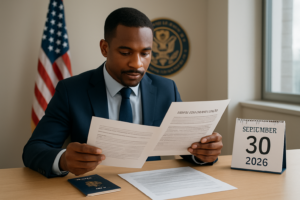
If you were selected in the Diversity Visa program for fiscal year 2026, the clock is already ticking. Every year, thousands of selectees underestimate how strict the deadline is. For DV-2026, visas cannot be issued after September 30, 2026. It does not matter if your case is otherwise approvable, your interview was delayed, or your paperwork was almost complete. Once that date passes, the opportunity is gone.

That is why a DV lottery certified translation is not a minor administrative detail. It can be the difference between a smooth interview and a frustrating delay. Consular officers expect supporting documents to be clear, complete, and readable. If your civil documents are not in the required language, you may need a certified translation before your interview can move forward.

This article explains what Diversity Visa winners should prepare before September 30, 2026, which documents commonly require translation, what “certified translation” usually means in immigration practice, and how to avoid the mistakes that cause last-minute problems.

Understanding the September 30, 2026 DV Deadline

The Diversity Visa program runs on a strict fiscal-year schedule. For DV-2026 selectees, all processing must be completed before the end of the fiscal year. Unlike some other immigration categories, Diversity Visa cases do not roll over into the next year. If your immigrant visa is not issued by September 30, 2026, your eligibility ends.

This creates a practical problem for many winners: even small document issues can become serious if they slow down scheduling or lead to administrative delays after the interview. Missing translations, incomplete records, inconsistent names, or unclear supporting evidence can all become obstacles.

Because of that, it is smart to treat your document preparation as urgent from the start. A professionally prepared DV lottery certified translation can help you present your documents in a format the embassy or consulate can quickly review.

What Is a DV Lottery Certified Translation?

A DV lottery certified translation is generally a complete and accurate translation of a document, accompanied by a signed statement from the translator or translation provider certifying that the translation is accurate and that the translator is competent to translate from the source language into English or the required target language.

For immigration purposes, “certified” usually does not mean the same thing as “notarized.” These terms are often confused. In many cases, a certified translation includes:

  • A full translation of the entire document
  • The translator’s or company’s certification statement
  • The date of certification
  • The translator’s name and signature, or an authorized company representative’s signature

Some applicants assume they can translate their own documents or ask a family member to do it informally. That can create credibility issues or fail to meet document standards. When your immigration future depends on timing and document acceptance, using a professional service for your DV lottery certified translation is often the safer choice.

Which Documents Diversity Visa Winners Commonly Need Translated?

The exact documents required can vary based on your country, your personal history, and the embassy handling your interview. However, the most commonly translated documents in DV cases include civil records and supporting legal documents.

1. Birth Certificates

Your birth certificate is one of the most important identity documents in the process. If it is not already in English or in the language accepted by the interviewing post, you will likely need a DV lottery certified translation. The translation should include all seals, annotations, marginal notes, and handwritten entries.

2. Marriage Certificates

If you are married, your marriage certificate may need translation. This is especially important if your spouse is immigrating with you or if your marital status affects your case history.

3. Divorce Decrees or Death Certificates

If either spouse had a prior marriage, documents proving the legal termination of that marriage are often required. These records must be fully understandable to the reviewing officer, which is why a proper DV lottery certified translation matters.

4. Police Certificates

Applicants often need police certificates from countries where they have lived. If those records are issued in a language not accepted by the post, they may require translation. Since police records can contain legal terminology, accuracy is critical.

5. Court and Prison Records

If you have ever been arrested, charged, or convicted, even if the matter was later dismissed or resolved, you may need certified translations of court records. These are highly sensitive documents. Errors or omissions in translation can create serious confusion.

6. Military Records

Applicants with military service may need to provide military documentation. If these records are not in English or another accepted language, a DV lottery certified translation may be necessary.

7. Adoption or Custody Documents

For children immigrating under special family circumstances, adoption decrees, custody orders, or parental consent documents may need certified translation as well.

Do All DV Documents Need Translation?

Not necessarily. Translation requirements often depend on the language of the document and the rules followed by the U.S. embassy or consulate where you will interview. In general, if your document is not in English or not in the official language accepted by the interviewing post, you should assume translation may be needed unless the post specifically says otherwise.

Because local rules can vary, applicants should carefully review the document instructions for their assigned embassy or consulate. Even so, many winners prefer to prepare a DV lottery certified translation in advance rather than risk a refusal or delay over a missing translation.

When in doubt, it is usually better to verify early than wait until your interview notice arrives.

Why Delays Happen With DV Lottery Certified Translation Requests

Translation delays usually happen for predictable reasons. Understanding them can help you avoid last-minute stress.

  • Documents are submitted too late: Many selectees wait until the interview is scheduled before gathering records.
  • Records are incomplete or damaged: Poor scans, missing pages, or unclear stamps make translation harder.
  • Name inconsistencies appear across documents: Translators may need clarification if spellings differ between passports, birth records, and police certificates.
  • Rare formats require extra review: Handwritten records, old registry extracts, and court files can take longer.
  • Applicants order non-certified translations: Cheap or informal translations may need to be redone properly.

Since the fiscal-year deadline is absolute, even a short delay can become serious if your case number becomes current late in the cycle. Ordering your DV lottery certified translation early gives you time to correct issues before the interview.

What a Good Certified Translation Service Should Provide

Not all translation providers understand immigration document standards. For Diversity Visa processing, choose a provider that regularly handles legal and immigration documents.

A reliable DV lottery certified translation service should offer:

  • Complete word-for-word translation of the document content
  • Certification statement included with the translation
  • Accurate handling of stamps, seals, signatures, and handwritten notes
  • Consistent spelling of names and places across all documents
  • Clear formatting that mirrors the original document structure where possible
  • Digital delivery for fast review and printing
  • Reasonable turnaround options for urgent cases

It is also helpful if the provider understands common immigration document types from your country. Familiarity with local civil registry formats can reduce errors and improve speed.

How to Prepare Your Documents for Translation

Before ordering a DV lottery certified translation, organize your paperwork carefully. Good preparation helps the translator work faster and reduces the chance of mistakes.

  1. Collect final versions of your documents. Do not send outdated or unofficial copies if you expect to receive a better version later.
  2. Scan in high resolution. Make sure all text, stamps, signatures, and edges are visible.
  3. Check names and dates. Compare spellings across your passport, DS-260 information, and civil records.
  4. Include all pages. Even blank backs or annotation pages can matter if they contain official marks.
  5. Flag urgent deadlines. If your interview is approaching, tell the provider immediately.

If a document is difficult to read, ask whether a better copy is needed before processing begins. A translation is only as reliable as the source document provided.

Common Mistakes DV Winners Should Avoid

Waiting Until the Interview Is Scheduled

This is one of the biggest mistakes. By the time your interview is scheduled, you may have only a short window to finalize everything. If any civil records need replacement or translation, that delay can become costly.

Using DIY or Family Translations

Even if someone in your family speaks both languages, an informal translation may not meet expectations. A professional DV lottery certified translation helps demonstrate accuracy and seriousness.

Submitting Partial Translations

Applicants sometimes translate only the “main text” and ignore seals, notes, or side entries. That can create problems because officers may need to review every notation on the record.

Ignoring Embassy-Specific Instructions

Always review the instructions from your assigned post. Some embassies are stricter about originals, copies, and language requirements than others.

Assuming Translation Equals Legal Advice

A translation provider can translate your documents, but they do not replace an immigration attorney. If your case involves prior immigration issues, criminal history, marital complications, or document irregularities, legal advice may also be necessary.

Best Timeline for DV-2026 Winners

If you want to minimize risk before September 30, 2026, follow a proactive timeline.

  • As soon as selected: Review your civil documents and identify anything not in English or another accepted language.
  • Early in the process: Order your DV lottery certified translation for standard records such as birth and marriage certificates.
  • Before your case becomes current: Gather police certificates, court records, and any country-specific documents.
  • After interview scheduling: Recheck that every translated document matches the final version you will carry to the interview.
  • Well before September 30, 2026: Resolve any missing documents, replacement records, or translation corrections immediately.

The later your case number becomes current, the more important early preparation becomes. Late-cycle selectees often have less room for error.

How Certified Translations Support a Stronger DV Case

A professionally prepared DV lottery certified translation does more than satisfy a technical requirement. It helps your case move efficiently by making your records easy to understand. Clear documentation reduces confusion about identity, family relationships, prior legal history, and eligibility facts.

In high-volume visa processing environments, clarity matters. Consular officers review large numbers of cases. Well-prepared records can help avoid unnecessary follow-up questions or document requests.

While no translation can guarantee visa approval, poor translations can absolutely create avoidable obstacles. That is why many successful applicants treat translation as an essential part of case preparation, not an afterthought.

Final Takeaway: Do Not Let Translation Delays Cost You DV-2026

The Diversity Visa opportunity is time-sensitive by design. For DV-2026 winners, September 30, 2026 is not flexible. If your documents require translation, waiting too long can put your entire case at risk.

A high-quality DV lottery certified translation helps ensure your birth records, marriage documents, police certificates, and other civil records are ready when your case moves forward. The smartest approach is simple: identify translation needs early, use a professional service familiar with immigration documents, and review everything carefully before your interview.

If you have been selected in the lottery, now is the time to act. The sooner your documents are translated and organized, the better your chances of reaching the interview fully prepared before the DV-2026 deadline.