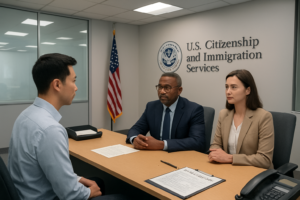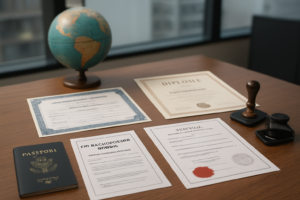

Telehealth Medical Interpreter Services in 2026: Why Clinics Need Qualified Interpreters, Not Machine Translation

Telehealth Medical Interpreter Services in 2026: A Clinical Necessity

Telehealth is no longer a temporary convenience. In 2026, it is a core care delivery model for primary care, specialty consultations, behavioral health, urgent care, and chronic disease management. As remote care expands, so does the need for accurate multilingual communication. That is why telehealth medical interpreter services have become a critical investment for clinics, hospitals, private practices, and digital health platforms serving diverse patient populations.

Many healthcare organizations initially assumed machine translation would be enough for virtual visits. It is fast, inexpensive, and easy to access. But healthcare communication is not the same as translating a retail chat or a travel booking. Clinical conversations involve symptoms, consent, medication instructions, risk explanations, diagnoses, follow-up planning, and culturally sensitive discussions. In these situations, errors are expensive, dangerous, and legally risky.

Qualified interpreters bring what software alone cannot: medical terminology knowledge, real-time clarification, cultural competence, confidentiality awareness, and the ability to accurately interpret nuance between patient and provider. In telehealth settings, that expertise is even more important because providers cannot rely as much on in-person cues, body language, or on-site support staff. For clinics that want to improve patient trust, reduce liability, and deliver equitable care, professional telehealth medical interpreter services are no longer optional.

Why Machine Translation Falls Short in Virtual Healthcare

Machine translation tools have improved significantly, but they still struggle in live medical encounters. A telehealth visit is dynamic. Patients may speak in fragments, use regional expressions, describe pain imprecisely, or switch between languages. Providers may use technical terminology, abbreviations, or layered explanations that require context. Automated systems often miss these details or translate them too literally.

In a medical setting, even a small error can create major consequences. A mistranslated dosage instruction, allergy detail, or discharge recommendation can lead to treatment failure, readmission, or patient harm. Beyond safety, machine translation may also undermine the patient experience. If a patient senses that communication is awkward, inaccurate, or impersonal, trust in the provider can decline quickly.

Telehealth amplifies these risks because virtual appointments already have communication barriers such as audio lag, poor connectivity, and limited visual context. Adding unverified machine translation into the process can make a challenging interaction even harder. This is why clinics increasingly prefer telehealth medical interpreter services staffed by trained professionals who can manage real-time clinical communication with precision.

Common limitations of machine translation in telehealth

  • Difficulty interpreting idioms, dialects, and nonstandard phrasing
  • Inconsistent handling of medical terminology and abbreviations
  • Inability to ask clarifying questions in context
  • Lack of cultural mediation during sensitive discussions
  • Potential privacy and data security concerns
  • No accountability for errors in high-risk clinical conversations

What Qualified Medical Interpreters Provide That Software Cannot

Professional interpreters do much more than convert words from one language to another. In telehealth, they facilitate understanding between provider and patient while preserving meaning, tone, and intent. A qualified medical interpreter is trained to interpret accurately, remain impartial, manage turn-taking, and support communication without altering the clinical message.

Importantly, experienced interpreters understand healthcare workflows. They know how to handle informed consent, mental health visits, pre-op instructions, pediatric consultations, oncology discussions, and emergency follow-up. They also recognize when a provider’s explanation may need repetition or when a patient’s answer suggests misunderstanding. This human judgment is essential in remote care.

Telehealth medical interpreter services also support patient dignity. Patients with limited English proficiency often feel more comfortable discussing private health concerns through a trained interpreter who understands confidentiality and cultural nuance. This can improve disclosure, adherence, and satisfaction.

Core benefits of qualified telehealth medical interpreter services

  • Accurate interpretation of complex medical terminology
  • Support for informed consent and legal documentation discussions
  • Improved patient comprehension and treatment adherence
  • Better provider efficiency during multilingual virtual visits
  • Reduced risk of miscommunication-related adverse events
  • Stronger patient trust and engagement

Compliance, Risk Management, and the 2026 Standard of Care

Healthcare organizations in 2026 face increasing scrutiny around language access, patient equity, and digital care quality. Language support is not just a customer service issue. It is part of clinical risk management and regulatory compliance. Clinics that rely on ad hoc interpretation or consumer-grade translation apps may expose themselves to avoidable complaints, poor outcomes, and legal consequences.

Professional telehealth medical interpreter services help organizations build a more defensible language access strategy. Qualified interpreters are trained in confidentiality, role boundaries, and medical accuracy. Reputable providers also offer documented workflows, scheduling support, and secure technology integrations that align with healthcare privacy expectations.

For administrators, this matters because telehealth is now deeply embedded in care pathways. If a clinic offers virtual appointments to the general public, it must be prepared to communicate effectively with patients who speak different languages. The standard is no longer whether language support can be improvised. The standard is whether the clinic has a reliable, scalable, and clinically appropriate solution in place.

When Clinics Most Need Telehealth Medical Interpreter Services

Not every multilingual interaction carries the same level of risk. However, many of the most common telehealth use cases involve information that should never be left to guesswork or automated translation alone. Clinics should identify the moments where professional interpretation has the highest impact on safety and outcomes.

High-priority use cases

  1. Initial patient evaluations: First visits often require detailed history-taking, symptom review, and medication reconciliation.
  2. Behavioral health sessions: Mental health conversations depend heavily on nuance, tone, and emotional accuracy.
  3. Chronic disease management: Diabetes, hypertension, and cardiac care require clear instructions and ongoing patient education.
  4. Pediatric appointments: Providers must communicate with both child and caregiver, often across cultural and linguistic differences.
  5. Specialty consultations: Oncology, neurology, and surgery discussions involve complex terminology and elevated patient stress.
  6. Discharge and follow-up planning: Misunderstood aftercare instructions can directly affect recovery and readmission rates.
  7. Informed consent conversations: Patients must fully understand risks, alternatives, and next steps.

In each of these scenarios, telehealth medical interpreter services add measurable value by reducing ambiguity and supporting better clinical decision-making.

How Telehealth Interpreter Workflows Should Function in 2026

The best interpreter support is not improvised at the last minute. Clinics should build interpreter access into the telehealth workflow from scheduling through documentation. In 2026, patients expect digital healthcare to be seamless, and language support should be part of that seamless experience.

When a patient books an appointment, the clinic should capture language preference clearly in the intake process. Staff should then schedule a qualified interpreter in advance when appropriate or have on-demand access available for urgent needs. The telehealth platform should support multi-party video or audio participation without technical friction. Providers should also receive brief guidance on best practices for working with interpreters remotely.

Best practices for implementation

  • Identify patient language preference at intake and in the EHR
  • Offer both scheduled and on-demand interpreter access
  • Use secure platforms that support three-way or multi-party telehealth sessions
  • Train staff and clinicians on how to work effectively with interpreters
  • Document interpreter participation consistently
  • Track quality metrics such as patient satisfaction, no-show rates, and comprehension-related outcomes

Clinics that operationalize telehealth medical interpreter services in this way often see improvements not just in communication, but in efficiency and patient retention as well.

Choosing the Right Telehealth Medical Interpreter Services Provider

Not all language service providers are equally prepared for healthcare telemedicine environments. Some offer general interpretation with limited medical specialization. Others rely heavily on gig-style networks without consistent quality assurance. Clinics should evaluate vendors carefully before integrating them into patient care workflows.

The right partner should understand both healthcare communication and telehealth operations. That includes interpreter qualifications, scheduling responsiveness, platform compatibility, privacy standards, and reporting capabilities. A low-cost provider may seem attractive initially, but poor interpretation quality can create hidden costs through repeated visits, patient dissatisfaction, and risk exposure.

What to look for in a provider

  • Interpreters trained specifically in medical interpretation
  • Coverage for the languages your patient population actually needs
  • Availability for video remote interpreting and phone interpreting
  • Fast connection times for urgent telehealth appointments
  • Secure, privacy-conscious technology and workflows
  • Experience supporting clinics, hospitals, and digital health organizations
  • Transparent quality assurance and performance monitoring

When evaluating telehealth medical interpreter services, ask for details about interpreter vetting, healthcare specialization, escalation procedures, and integration options. The goal is not simply to add language support, but to build a dependable multilingual care system.

The Business Case: Why Professional Interpretation Supports Growth

For high-intent healthcare buyers, the decision to invest in interpreter services is not only about compliance or ethics. It is also a smart business decision. Clinics that provide clear language access can reach broader communities, improve patient acquisition, and strengthen loyalty among families who need multilingual support.

Better communication often leads to better attendance, better follow-through, and better reviews. It can also reduce costly misunderstandings that consume staff time through repeat calls, rescheduling, and clarification requests. In competitive healthcare markets, telehealth medical interpreter services can become a meaningful differentiator for patient experience and brand reputation.

As telehealth continues to mature, patients will compare providers not just on appointment availability, but on whether care feels accessible, respectful, and understandable. Clinics that prioritize qualified interpreters send a strong message: every patient deserves safe communication, regardless of language.

Why 2026 Is the Turning Point

In earlier phases of telehealth adoption, some organizations treated language access as a secondary operational detail. In 2026, that approach no longer works. Virtual care has become mainstream, patient expectations are higher, and healthcare organizations are under pressure to deliver equitable outcomes across digital channels.

This is the turning point where clinics must decide whether to continue relying on imperfect tools or invest in professional communication support. Machine translation may still have limited value for low-risk administrative tasks, such as basic appointment reminders or general website content. But for diagnosis, treatment, consent, and care planning, qualified human interpreters remain the gold standard.

Telehealth medical interpreter services are not a luxury add-on. They are an essential part of safe, scalable, multilingual healthcare delivery. Clinics that recognize this now will be better positioned to reduce risk, improve outcomes, and serve growing patient populations with confidence.

Final Thoughts

The future of telehealth depends on trust, clarity, and accessibility. When language barriers stand between patients and providers, quality of care suffers. That is why more healthcare organizations are moving away from overreliance on machine translation and toward qualified telehealth medical interpreter services.

If your clinic is expanding virtual care in 2026, now is the time to review your language access strategy. Ask whether your current system truly protects patient safety, supports compliance, and reflects the standard of care your organization wants to deliver. In most cases, the answer is clear: when the conversation is medical, human expertise matters.

10 Must-See Places in Los Angeles: A Complete Travel Guide for First-Time Visitors

Introduction

Los Angeles is one of the most exciting and recognizable destinations in the world. Known for its sunny weather, film industry glamour, diverse neighborhoods, beaches, museums, and global food scene, LA offers something for nearly every kind of traveler. Whether you are visiting for a vacation, a business trip, a family adventure, or an extended stay, the city delivers an unforgettable mix of iconic landmarks and local culture.

Because Los Angeles is large and spread out, planning ahead can make your trip much smoother. From famous attractions like the Hollywood Sign and Santa Monica Pier to cultural institutions and scenic viewpoints, there is no shortage of memorable places to explore. In this guide, you will find 10 must-see places in Los Angeles, helpful travel phrases, practical tips for using a translation app, advice on cell phone service, weather-checking tools, and useful information for international travelers who may need certified translation or interpreting support.

10 Must-See Places in Los Angeles

  1. Griffith Observatory

    Perched high in Griffith Park, Griffith Observatory is one of the best places to enjoy panoramic views of Los Angeles. Visitors can see the city skyline, the Pacific Ocean on a clear day, and even the Hollywood Sign from nearby trails. The observatory itself features engaging science exhibits, telescopes, and a beautiful planetarium, making it a perfect stop for both daytime sightseeing and evening views.

  2. Hollywood Walk of Fame

    The Hollywood Walk of Fame is one of the most famous attractions in Los Angeles. Stretching along Hollywood Boulevard, it features thousands of stars honoring actors, musicians, directors, and entertainment legends. The area is lively, busy, and full of classic Hollywood energy. While it can be crowded, it remains a must-see for first-time visitors who want to experience the heart of old and new Hollywood.

  3. Santa Monica Pier

    Santa Monica Pier combines ocean views, classic California charm, and family-friendly entertainment. The historic pier includes a small amusement park, restaurants, shops, and street performers. It is an ideal place for sunset walks, beach photos, and relaxing by the water. Just steps away, Santa Monica Beach offers wide sandy stretches perfect for biking, sunbathing, or simply enjoying the Pacific breeze.

  4. The Getty Center

    The Getty Center is a world-class museum known for its art collections, elegant architecture, and beautifully landscaped gardens. Located on a hilltop, it also offers spectacular views of Los Angeles. Inside, travelers can admire European paintings, sculptures, photography, and decorative arts. Even visitors who are not museum enthusiasts often love the peaceful setting and stunning design of the complex.

  5. Universal Studios Hollywood

    For movie lovers and families, Universal Studios Hollywood is one of the top places to visit in Los Angeles. This working studio and theme park blends thrilling rides with behind-the-scenes entertainment. Guests can enjoy attractions based on blockbuster films, studio tours, and immersive themed areas. It is a fun way to experience Los Angeles entertainment culture up close.

  6. Venice Beach

    Venice Beach is one of LA’s most colorful and unique destinations. Its famous boardwalk is lined with artists, performers, skaters, local vendors, and murals. The atmosphere is creative, relaxed, and energetic all at once. Nearby Muscle Beach, the Venice Skatepark, and the canals add even more character to the area, making it a great place for people-watching and casual exploration.

  7. The Hollywood Sign

    No trip to Los Angeles feels complete without seeing the Hollywood Sign. Although you cannot simply walk up to it from the street, there are several excellent viewpoints and hiking trails nearby. Popular routes in Griffith Park offer scenic perspectives and fantastic photo opportunities. The sign remains one of the most iconic symbols of Los Angeles and the global entertainment industry.

  8. Los Angeles County Museum of Art (LACMA)

    LACMA is the largest art museum in the western United States and a major cultural landmark in Los Angeles. Its collections span centuries and continents, offering everything from ancient works to contemporary pieces. Outside, the famous Urban Light installation has become one of the city’s most photographed spots. LACMA is a great choice for travelers who want to balance sightseeing with arts and culture.

  9. Rodeo Drive in Beverly Hills

    Rodeo Drive is synonymous with luxury shopping and upscale Los Angeles style. Even if you are not planning to buy designer goods, the area is worth visiting for its polished streets, palm-lined scenery, and glamorous atmosphere. Beverly Hills itself is a beautiful neighborhood to explore, with elegant boutiques, cafés, and postcard-worthy streets that reflect a different side of LA.

  10. Downtown Los Angeles and The Broad

    Downtown Los Angeles has transformed into a vibrant destination with architecture, food, arts, and nightlife. One highlight is The Broad, a contemporary art museum known for its striking building and impressive collection. Nearby, travelers can also visit Walt Disney Concert Hall, Grand Central Market, and historic districts. Downtown offers a dynamic urban experience that contrasts nicely with the beach and hillside parts of the city.


How to Use a Translation App on Your Phone

A phone translation app can be extremely useful while traveling in Los Angeles, especially if you are navigating multilingual neighborhoods, reading signs, or speaking with service providers. Here are practical steps to make the most of one during your trip.

  1. Download the app before you travel

    Install a trusted translation app such as Google Translate, Microsoft Translator, or another reputable option before your flight. Set it up while you still have reliable internet access.

  2. Download offline language packs

    Before arriving, download English and Spanish offline packs. This is important in case your signal is weak, you are trying to save data, or you do not want to rely on public Wi-Fi.

  3. Use voice translation for quick conversations

    Most translation apps let you tap a microphone icon and speak directly into your phone. This is useful for asking directions, ordering food, or clarifying simple questions. Speak slowly and clearly for better results.

  4. Try conversation mode

    Conversation mode is ideal when two people speak different languages. The app listens to both sides and translates back and forth in real time. This can be especially helpful in taxis, shops, or customer service situations.

  5. Use the camera feature for signs and menus

    If you see a sign, menu, notice, or product label you do not understand, open the camera translation feature. Point your phone at the text and the app will often overlay a live translation on the screen.

  6. Save common phrases

    Bookmark or favorite the phrases you are most likely to use, such as asking for the restroom, ordering food, or requesting help. This saves time when you need a quick answer.

  7. Double-check important information

    Translation apps are helpful, but they are not perfect. For addresses, medical instructions, legal matters, or official documents, verify the meaning carefully. For high-stakes communication, a professional interpreter or translator is the safer choice.

  8. Carry a battery pack

    Your phone may be doing a lot while you travel: maps, camera, ride-share apps, and translation. A portable charger can keep your translation tools available all day.

How to Get a Good Cell Phone Rate Overseas

If you are traveling to Los Angeles from another country, mobile service costs can add up quickly if you are not prepared. Here are smart ways to stay connected while avoiding expensive roaming charges.

  1. Check your home carrier’s international plan

    Before departure, contact your mobile provider and ask about US coverage. Some carriers offer affordable daily or monthly travel passes, while others charge high roaming rates.

  2. Consider an eSIM

    If your phone supports eSIM technology, this can be one of the easiest and most cost-effective options. You can purchase a US data plan online before arrival and activate it without swapping physical SIM cards.

  3. Buy a local SIM card

    If your phone is unlocked, you may be able to buy a prepaid SIM card from a US carrier or retailer. This can work well for longer stays or travelers who need a local number.

  4. Use Wi-Fi whenever possible

    Hotels, cafés, airports, and many public spaces in Los Angeles offer Wi-Fi. Connect when available for messaging, email, and app updates, but avoid entering sensitive information on unsecured networks.

  5. Turn off automatic roaming if needed

    If you are not using your home plan abroad, disable data roaming in your settings to prevent surprise charges. Also turn off background app refresh for apps that may consume data without you noticing.

  6. Use internet-based calling and messaging

    Apps such as WhatsApp, FaceTime, Zoom, and similar services can help you stay in touch over Wi-Fi or data without relying on expensive traditional international calling.

  7. Monitor your usage

    Keep an eye on your data use, especially if you are using maps, video, or translation features frequently. Download maps and entertainment in advance when possible.

How to Check the Weather in Los Angeles

Los Angeles is famous for its pleasant climate, but weather can still vary depending on the season and neighborhood. Coastal areas may be cooler and cloudier, while inland areas can be significantly warmer. Checking the forecast helps you pack properly and plan your day more comfortably.

  1. Use reliable weather apps

    Weather apps such as Apple Weather, AccuWeather, The Weather Channel, or Weather Underground provide current conditions, hourly forecasts, and multi-day outlooks for Los Angeles.

  2. Search by neighborhood

    LA is a large city, so weather in Santa Monica may differ from Hollywood, Downtown, or Pasadena. Search the exact area where you will be spending time.

  3. Check temperature highs and lows

    Days can feel warm while evenings become cooler, especially near the coast. Reviewing both daytime highs and nighttime lows will help you decide whether to bring a jacket or layers.

  4. Look for local terms

    You may hear phrases like “marine layer” or “June gloom,” which refer to cloudy coastal mornings common in some seasons. These conditions often clear later in the day, but they can affect beach plans and photos.

  5. Review air quality when necessary

    On some days, especially during heat waves or regional wildfire events, air quality may matter as much as temperature. Many weather apps include air quality indexes and health guidance.

  6. Use official and trusted sources

    For the most dependable information, you can also check the National Weather Service website or local TV station weather pages covering Los Angeles.

Travel Smarter with Professional Language Support

Travel to Los Angeles is often simple and enjoyable, but language and documentation needs can still become important, especially for international visitors, students, business travelers, and families handling official paperwork. You may need certified translation for birth certificates, marriage certificates, academic records, immigration documents, legal forms, medical papers, or business materials. In more complex situations, professional interpreting can also help during meetings, appointments, or formal conversations.

That is where latranslation.com can help. As a certified translation and interpreting company, latranslation.com supports clients who need accurate, professional language services for travel, visas, document submission, education, healthcare, and international business. Unlike casual machine translation, certified human translation provides the precision and reliability that official processes often require.

If your trip to Los Angeles includes more than sightseeing, and you need trusted support with documents or interpreting, latranslation.com is ready to assist. Professional language services can make travel smoother, reduce stress, and help you move forward with confidence wherever your plans take you.

Alien Registration in 2026: Which Foreign-Language Documents Need Certified Translation Before You File

Filing for immigration benefits in 2026 can be paperwork-intensive, and one of the most overlooked issues is alien registration document translation. If any of your supporting records are in a language other than English, you may need a certified translation before submitting your application, response, or supporting packet. Missing, incomplete, or improperly translated documents can trigger delays, requests for evidence, or even denials in time-sensitive cases.

For applicants, sponsors, employers, and legal teams, understanding which records need translation is essential. The good news is that the rules are straightforward once you know what agencies and adjudicators expect. In this guide, we break down the most common foreign-language documents used in alien registration matters, when certified translation is required, and how to choose a reliable provider for alien registration document translation.

Why Certified Translation Matters for Alien Registration in 2026

Immigration filings depend on documentary evidence. Officers reviewing your case must be able to read and evaluate every relevant document in English. If a birth certificate, police record, marriage certificate, court order, or identity document is issued in another language, the English translation becomes part of the evidence the officer relies on.

That is why alien registration document translation is not just a technical step. It is a legal compliance issue. A certified translation generally includes a signed statement from the translator or translation company confirming that the translation is complete and accurate and that the translator is competent to translate from the source language into English.

In practical terms, proper translation helps you:

  • Meet filing requirements for English-language submissions
  • Prevent avoidable requests for additional evidence
  • Reduce confusion caused by inconsistent names, dates, and places
  • Support credibility across your full application packet
  • Keep your filing on schedule in urgent immigration timelines

Because alien registration often intersects with identity verification, family relationships, residence history, and legal background, even small translation errors can create major complications.

What Is Alien Registration Document Translation?

Alien registration document translation refers to the professional translation of foreign-language records submitted in connection with immigration registration, status compliance, or related legal filings. The term can cover a broad range of supporting evidence, from civil records to government-issued certificates and judicial documents.

It is important to distinguish certified translation from standard bilingual assistance. A friend, relative, or machine translation tool may not satisfy filing requirements, especially when the document is central to identity, eligibility, or admissibility. Certified translation is designed for official use and should mirror the original document faithfully, including stamps, seals, annotations, and handwritten notes where relevant.

Which Foreign-Language Documents Usually Need Certified Translation?

While every case is different, certain document categories commonly require certified translation before filing. If the original record is not in English, assume it should be professionally reviewed for compliance.

1. Birth Certificates

Birth certificates are among the most frequently translated records in immigration filings. They are often used to prove identity, parentage, place of birth, and age. If your birth certificate is in Spanish, Chinese, Arabic, French, Russian, Portuguese, or any other non-English language, certified alien registration document translation is typically necessary.

Pay special attention to:

  • Alternate spellings of names
  • Regional date formats
  • Marginal notes or later amendments
  • Registration numbers and issuing authority details

2. Marriage Certificates and Divorce Decrees

Family-based immigration cases often depend on proof of a valid marriage or termination of prior marriages. A foreign-language marriage certificate, divorce judgment, annulment order, or death certificate for a former spouse generally needs certified translation.

These records are especially sensitive because discrepancies in names, dates, or jurisdictions can raise questions about marital status. Accurate alien registration document translation ensures the relationship history in your forms matches the supporting evidence.

3. Passports, National ID Cards, and Household Registration Records

Although not every page of a passport must always be translated, key identity pages, endorsements, and relevant annotations may need translation if submitted as evidence. National ID cards, internal passports, residency cards, and household registration records are also common in immigration files.

These documents often contain abbreviations, official codes, or administrative terms that require precise interpretation. A professional translation provider can preserve layout and identify nonstandard terminology that machine translation may mishandle.

4. Police Certificates and Criminal Record Documents

Background checks are a major component of many immigration processes. Police clearances, criminal history extracts, court dispositions, arrest records, and rehabilitation documents issued abroad usually require certified translation if they are not in English.

This is one area where quality matters enormously. Legal terminology varies by country, and mistranslating charges, procedural outcomes, or sentencing details can materially affect a case. Reliable alien registration document translation is essential when legal records are involved.

5. Court Orders, Judgments, and Legal Proceedings

If your filing includes custody orders, guardianship rulings, name-change decrees, adoption papers, or civil judgments from another country, those documents generally need certified translation. Immigration officers may rely on these records to determine family relationships, legal responsibility, or admissibility issues.

Because these records can be lengthy and complex, applicants should not wait until the last minute. Court documents may require extra formatting care, especially if they include seals, attachments, or handwritten judicial notes.

6. Academic Records and Diplomas

Some immigration filings, employment-based petitions, and status-related applications require educational evidence. Diplomas, transcripts, professional licenses, and training certificates in another language may need certified translation.

In employment contexts, alien registration document translation may also support visa petitions, labor-related filings, or professional eligibility reviews. Translating course names, degree titles, and institutional seals accurately can be critical.

7. Employment Letters and Financial Records

Foreign-language employment verification letters, pay records, tax statements, bank letters, business registrations, and income documents may require translation if they support eligibility, sponsorship, or maintenance of status.

These documents often contain industry-specific terms, payroll abbreviations, and government tax references. A qualified translation provider should know how to render these clearly in English without altering meaning.

8. Military Records

In some cases, applicants must disclose or document military service. Service records, discharge papers, military booklets, and exemption certificates issued in another language may need certified translation. Because military terminology can be highly country-specific, this is another category where professional human translation is strongly recommended.

Do You Need Translation of the Entire Document or Only Part of It?

In most official filing contexts, the safest approach is a complete translation of the entire foreign-language document, not just selected sections. That includes stamps, seals, side notes, signatures labels, and preprinted text where relevant. Partial translations may be rejected if the omitted content appears material.

For alien registration document translation, complete and faithful rendering is usually the best practice because immigration adjudicators may review details that applicants assume are unimportant. A notation in the margin, a correction line, or a registry stamp can become relevant later in the process.

What Makes a Translation “Certified”?

A certified translation is generally accompanied by a signed certification statement confirming that:

  • The translation is complete and accurate
  • The translator is competent to translate between the two languages
  • The translation corresponds to the attached source document

The certification should be clear, professional, and properly associated with the translated file. Reputable providers of alien registration document translation typically include this automatically. If you are comparing services, ask whether certification is included, whether the formatting matches official filing needs, and whether the company has experience with immigration and legal documents.

Common Mistakes That Delay Filing

Many applicants lose time and money because they underestimate translation requirements. Here are some common problems:

  1. Using machine translation for official records. Automated tools may mistranslate legal or civil terminology.
  2. Submitting incomplete translations. Missing seals, annotations, or back-page text can trigger objections.
  3. Inconsistent name spellings. A single person’s name may appear differently across documents if not standardized carefully.
  4. Waiting until the deadline. Urgent translation increases stress and reduces time for review.
  5. Choosing a provider without legal document experience. General translation is not the same as immigration-focused certified translation.

Professional alien registration document translation helps prevent these issues before they affect your filing timeline.

How to Choose the Right Translation Service

If your case involves high-stakes immigration or legal paperwork, the cheapest option is not always the best one. Look for a provider that understands official document standards and can deliver consistently formatted, certified translations suitable for filing.

When evaluating a service, ask:

  • Do you provide certified translations for immigration and legal use?
  • Have you handled civil records, police certificates, and court documents before?
  • Can you preserve names, dates, seals, and formatting accurately?
  • What is your turnaround time for urgent filings?
  • Do you offer secure handling of sensitive personal documents?

A trustworthy alien registration document translation provider should be transparent about process, pricing, confidentiality, and delivery format.

Best Practices Before You File in 2026

To reduce risk, organize your documents early and review every non-English record before assembling your application packet. Create a checklist of all supporting evidence and flag anything issued by a foreign authority. If there is any doubt about whether a document needs translation, have it reviewed by a qualified professional or immigration attorney.

Here is a practical preparation workflow:

  1. Gather all civil, legal, financial, and identity documents.
  2. Separate English documents from foreign-language documents.
  3. Request certified translation for every non-English record likely to be submitted.
  4. Review translated names, dates, and places for consistency with your forms.
  5. Keep digital and printed copies of originals and translations together.
  6. Submit clean, organized copies with your filing packet.

This approach makes alien registration document translation part of your filing strategy rather than a last-minute scramble.

Final Thoughts: Translation Is a Filing Essential, Not an Afterthought

In 2026, immigration compliance remains document-driven, and foreign-language records can become a major obstacle if they are not translated correctly. Birth certificates, marriage records, police certificates, court orders, academic documents, identity records, and financial evidence may all require certified translation before filing.

If you want to avoid preventable delays, invest in accurate, professional alien registration document translation from a provider experienced in immigration and legal paperwork. The right translation does more than convert words from one language to another—it protects the integrity of your case, supports faster review, and gives you confidence that your filing is complete from the start.

Whether you are preparing your own application, assisting a family member, or managing a time-sensitive legal matter, taking translation seriously is one of the smartest steps you can take before you file.

USCIS Interview Interpreter Requirements in 2026: Who Can Interpret, What Form G-1256 Means, and When to Hire a Professional

USCIS Interview Interpreter Requirements in 2026: What Applicants Need to Know

If you are preparing for an immigration interview and are not fully comfortable answering questions in English, understanding USCIS interview interpreter requirements should be one of your top priorities. A USCIS interview can affect a green card application, naturalization case, asylum matter, or other immigration benefit, so even small misunderstandings can create serious problems. In 2026, applicants still need to pay close attention to who may interpret, what paperwork is required, and whether a friend, family member, or professional interpreter is the safest choice.

This guide explains the practical side of USCIS interview interpreter requirements, including who can interpret at a USCIS interview, what Form G-1256, Declaration for Interpreted USCIS Interview means, and when it makes sense to hire a trained interpreter instead of relying on someone you know. If you are searching for dependable language support before a high-stakes immigration appointment, this article will help you make an informed decision.

Why USCIS Interview Interpreter Requirements Matter

USCIS officers use interviews to confirm identity, review eligibility, test credibility, and clarify details in an application. If an applicant misunderstands a date, a legal term, a biographic question, or a security-related issue, the consequences can include delays, requests for evidence, rescheduling, or even denial. That is why USCIS interview interpreter requirements are not just technical rules. They are part of the process designed to make sure communication is accurate and fair.

Many applicants assume that bringing any bilingual person is enough. In reality, USCIS expects the interpreter to be competent, impartial enough to interpret accurately, and able to complete required declarations. In some cases, a person may speak both languages well in everyday conversation but still lack the vocabulary, neutrality, or confidence needed in an official immigration interview.

Who Can Interpret at a USCIS Interview in 2026?

In general, the interpreter must be fluent in both English and the applicant’s language and must be able to interpret everything said during the interview completely and accurately. The interpreter should also be old enough and mature enough to understand the seriousness of the proceeding and the declaration they must sign.

While exact case handling may vary by office and interview type, the following principles are central to USCIS interview interpreter requirements:

  • The interpreter must be competent in English and the applicant’s language.
  • The interpreter must interpret fully and truthfully, not summarize or coach.
  • The interpreter may be required to complete and sign Form G-1256.
  • The interpreter should not have a conflict that could undermine the integrity of the interview.
  • USCIS may refuse an interpreter who cannot communicate clearly or who appears to interfere with the process.

Applicants should always review the latest USCIS appointment notice and official instructions for their specific interview type, because some categories have unique procedures or limitations.

Can a Family Member Interpret?

Sometimes applicants want a spouse, sibling, adult child, or close friend to interpret. This may be convenient and less expensive, but it is not always the best option. Even where a relative is not automatically prohibited, USCIS may be concerned about bias, incomplete interpretation, or emotional involvement. A family member may unconsciously soften difficult answers, interrupt, answer for the applicant, or omit embarrassing facts.

For that reason, many applicants choose a neutral professional who understands the role. When accuracy matters, relying on a relative can be risky even if that person speaks both languages well.

Can an Attorney Also Interpret?

In many cases, the attorney’s role is separate from the interpreter’s role. Legal representation and language interpretation are different functions, and combining them may create practical or ethical concerns. An attorney must advocate, object when necessary, and monitor the legal process, while an interpreter must render speech neutrally and completely. If you have legal counsel, it is often better to have a separate interpreter available if one is needed.

Can a Minor Child Interpret?

Using a child as an interpreter is generally a bad idea in any formal immigration setting. A child may not understand legal terminology, may feel pressure, and may not be capable of handling sensitive topics such as marital history, finances, prior immigration violations, criminal issues, or trauma. Even if not expressly barred in every context, it is rarely appropriate and can raise immediate concerns with USCIS.

What Form G-1256 Means

A key part of modern USCIS interview interpreter requirements is Form G-1256, Declaration for Interpreted USCIS Interview. This form documents that the interview was interpreted and identifies the interpreter. It also includes declarations regarding the interpreter’s fluency and the accuracy of the interpretation.

In practical terms, Form G-1256 helps USCIS create a record that:

  • The applicant used an interpreter during the interview.
  • The interpreter stated they are fluent in English and the applicant’s language.
  • The interpreter agreed to interpret accurately and completely.
  • The applicant acknowledged that the interview was interpreted.

This form matters because it reinforces accountability. If an issue later arises about what was said, USCIS has documentation showing who interpreted and under what declaration. Applicants should not treat Form G-1256 as a routine signature page. It is an official statement connected to the interview record.

Why Form G-1256 Is Important for Applicants

For applicants, Form G-1256 is more than paperwork. It is a reminder that the interpreter is participating in a formal government proceeding. If your interpreter is hesitant, confused, or not confident enough to sign a declaration of fluency and accuracy, that is a warning sign. A weak interpreter can create inconsistencies that follow your case long after the interview ends.

Before the appointment, make sure the interpreter understands they may need to present identification, answer questions about their language ability, and sign Form G-1256 at the interview.

What USCIS Expects From an Interpreter During the Interview

To comply with USCIS interview interpreter requirements, the interpreter should do far more than simply “help out.” USCIS expects a professional standard of conduct, even when the interpreter is not formally certified.

A proper interpreter should:

  1. Interpret everything said by the officer and the applicant accurately.
  2. Use the first person when interpreting rather than changing the speaker’s meaning.
  3. Not add explanations unless asked to clarify language issues.
  4. Not answer questions for the applicant.
  5. Not coach, rehearse, or signal preferred answers during the interview.
  6. Remain calm, neutral, and respectful.
  7. Alert the officer if a word, phrase, or concept does not translate cleanly.

For example, if the officer asks, “Have you ever claimed to be a U.S. citizen?” the interpreter must convey that exact legal meaning. A casual or simplified version could lead to a dangerously inaccurate answer. This is one reason professional immigration interpreters are often worth the investment.

When to Hire a Professional Interpreter

Not every case requires a paid interpreter, but many do. If your interview involves legal complexity, sensitive facts, or any possibility of misunderstanding, hiring a professional may be the smartest choice. Applicants often underestimate how stressful the interview environment can be. Even people who understand everyday English may struggle with formal questions, accents, rapid follow-up questions, or requests to confirm prior statements in an application.

You should strongly consider hiring a professional interpreter if:

  • Your English is conversational but not strong enough for legal or government terminology.
  • Your case includes prior visa issues, overstays, waivers, arrests, or inconsistencies.
  • Your marriage-based case may involve detailed personal questioning.
  • Your asylum or humanitarian case involves trauma-sensitive facts.
  • Your family member tends to become emotional, controlling, or overinvolved.
  • You want a neutral person who understands interview protocol and Form G-1256.

A professional interpreter can also help reduce stress before the interview by reviewing the process, practicing question-and-answer flow, and explaining how interpreted communication works. They should not coach false answers, but they can help the applicant understand pacing, clarity, and the importance of listening carefully before responding.

Risks of Using the Wrong Interpreter

Failing to follow USCIS interview interpreter requirements can create avoidable problems. Some of the most common risks include:

  • Rescheduling or refusal: USCIS may decline to proceed if the interpreter is unsuitable.
  • Inaccurate testimony: Incorrect interpretation can create contradictions in the record.
  • Credibility concerns: If answers seem coached or incomplete, the officer may doubt the applicant.
  • Delays: Misunderstandings often lead to follow-up notices or additional evidence requests.
  • Case denial: In serious situations, errors can directly affect eligibility findings.

These risks are especially important in high-stakes interviews where every answer matters. Saving money on interpretation can become expensive if it leads to delays, new legal fees, or a damaged case record.

How to Prepare for a USCIS Interview With an Interpreter

Preparation is one of the best ways to meet USCIS interview interpreter requirements successfully. Whether you use a professional interpreter or someone you know, do not wait until the day of the interview to discuss expectations.

Preparation Checklist

  • Confirm that your interview notice permits or anticipates an interpreter if needed.
  • Choose someone fluent in both languages and comfortable with formal interpretation.
  • Make sure the interpreter understands they must translate completely and neutrally.
  • Review your application so terminology, dates, and names are familiar.
  • Bring valid identification for the applicant and interpreter.
  • Arrive early in case USCIS has questions about the interpreter.
  • Be ready to complete or sign Form G-1256 if requested.

It is also wise to remind the interpreter not to chat excessively with the officer, not to summarize long answers, and not to turn the interview into a conversation between themselves and USCIS. The officer is interviewing the applicant, not the interpreter.

Questions to Ask Before Hiring an Interpreter

If you are considering paid help, ask practical questions before booking. Since USCIS interview interpreter requirements can affect your case outcome, screening the interpreter carefully is worth the effort.

  • Have you interpreted for USCIS interviews before?
  • Are you comfortable signing Form G-1256?
  • Do you interpret in my exact language or dialect?
  • Do you understand immigration terminology relevant to my case?
  • Will you interpret word-for-word and remain neutral?
  • Can you provide in-person support at my local USCIS office if needed?
  • What is your fee structure, cancellation policy, and wait-time policy?

These questions can help you distinguish a true professional from someone who is merely bilingual.

Final Thoughts on USCIS Interview Interpreter Requirements in 2026

In 2026, USCIS interview interpreter requirements remain a critical part of interview preparation for applicants who need language assistance. The right interpreter can help ensure that your answers are understood accurately, your rights are protected, and your case is presented clearly. The wrong interpreter can create confusion, credibility problems, and costly delays.

Understanding who can interpret, why Form G-1256 matters, and when to hire a professional gives you a major advantage before your appointment. If your interview involves important legal facts, sensitive personal history, or any uncertainty about English fluency, professional interpreting support is often the safer investment.

For applicants, families, and law firms seeking dependable interview support, the best approach is simple: treat interpretation as an essential part of case preparation, not an afterthought. When the stakes are high, accuracy matters.

N-400 Birth Certificate Translation Guide 2026: When Naturalization Applicants Need Certified English Translations

N-400 Birth Certificate Translation Guide: What Naturalization Applicants Need to Know in 2026

If you are preparing a naturalization application, one of the most common document questions is whether you need an N-400 birth certificate translation. For many applicants, the answer depends on what documents they submit with the application, what language those documents are in, and whether U.S. Citizenship and Immigration Services requires supporting evidence in English.

In 2026, the rule remains straightforward: if you submit any document to USCIS in a foreign language, it must be accompanied by a full English translation and a certification from the translator stating that the translation is complete and accurate and that the translator is competent to translate from the foreign language into English. That simple rule creates a lot of real-world confusion, especially for naturalization applicants who are unsure whether a birth certificate is required at all for Form N-400.

This guide explains when an N-400 birth certificate translation may be needed, what “certified translation” means for USCIS purposes, how to avoid delays or Requests for Evidence, and how to choose a professional translation provider if you want to file with confidence.

Do You Need a Birth Certificate for Form N-400?

Not every naturalization applicant must submit a birth certificate with Form N-400. In many standard cases, USCIS does not require a birth certificate as part of the initial filing package. However, there are important exceptions and practical situations where your birth certificate may become relevant.

You may need to provide a birth certificate, or information taken from it, when:

  • Your identity, date of birth, or place of birth needs clarification
  • Your legal name differs from the name on other immigration records
  • You are responding to a Request for Evidence
  • You are dealing with discrepancies in prior immigration filings
  • You are applying based on a marriage-related path and supporting civil records are being reviewed together
  • You are asked to bring original civil documents to your naturalization interview

Even when a birth certificate is not required at the initial filing stage, many applicants choose to gather it in advance. If your birth certificate is not in English, obtaining an N-400 birth certificate translation early can help you stay prepared for interview requests or follow-up notices.

When Is an N-400 Birth Certificate Translation Required?

An N-400 birth certificate translation is required when you submit your birth certificate to USCIS and the document is in any language other than English. USCIS generally expects a complete English translation, not a summary or partial translation.

This requirement applies whether the original birth certificate is in Spanish, Chinese, Arabic, Russian, Portuguese, French, Vietnamese, Korean, or any other non-English language. It also applies to bilingual documents if the relevant text is not fully available in English or if the format could create confusion.

In practical terms, you should obtain a certified translation if:

  1. You plan to include your birth certificate with your N-400 filing package
  2. USCIS later asks for your birth certificate
  3. You want to bring a translated copy to your interview to avoid delays
  4. Your attorney recommends including civil documents proactively in your case strategy

The safest approach is simple: if there is any chance you will submit the birth certificate to USCIS, prepare a compliant N-400 birth certificate translation before filing or before your interview date.

What USCIS Means by “Certified Translation”

One of the biggest misunderstandings in immigration cases is the phrase “certified translation.” For USCIS, certification usually does not mean notarization, apostille, or government legalization. Instead, it refers to a signed statement from the translator or translation company.

A proper certified translation for USCIS should include:

  • A full English translation of the foreign-language birth certificate
  • The translator’s certification statement
  • A declaration that the translation is complete and accurate
  • A declaration that the translator is competent to translate from the source language into English
  • The translator’s name, signature, and date

Some providers also include contact information, company letterhead, and a certificate number. While those extras can look more professional, the key issue is whether the translation meets USCIS requirements.

For an N-400 birth certificate translation, accuracy matters more than decorative formatting. Names, dates, registration numbers, marginal notes, stamps, seals, and handwritten annotations should be translated carefully. Even small inconsistencies can create questions about identity or document authenticity.

Can You Translate Your Own Birth Certificate?

Self-translation is risky and generally not recommended. USCIS requires the translator to certify competence and accuracy, but using the applicant or a close family member can create credibility concerns. Even if a friend or relative is fluent, that does not always mean the translation will meet professional standards.

For a high-stakes filing like naturalization, most applicants prefer a professional service for their N-400 birth certificate translation. A professional translator is more likely to preserve the exact structure of the original document, translate official terms correctly, and provide a certification that looks consistent with USCIS expectations.

If your case already contains name variations, prior immigration issues, or civil record irregularities, using a professional translation company is especially wise.

What Information Must Be Translated on a Birth Certificate?

USCIS typically expects a complete translation of the document. That means the translation should not skip text that appears unimportant. A birth certificate often contains more than just the child’s name and birth date.

A complete N-400 birth certificate translation may include:

  • Child’s full name
  • Date of birth
  • Time of birth, if listed
  • Place of birth
  • Sex or gender marker
  • Parents’ names
  • Registration number
  • Certificate issue date
  • Registrar information
  • Official stamps and seals
  • Handwritten notes
  • Marginal annotations such as corrections, adoptions, legitimations, or amendments

Professional translators often use brackets to identify seals, signatures, or illegible text. That is normal and can help USCIS understand what appears on the original record.

Common Mistakes That Can Delay Naturalization

A poor-quality N-400 birth certificate translation can lead to unnecessary scrutiny, delays, or a Request for Evidence. Here are some of the most common problems applicants run into:

1. Partial translations

Submitting only selected fields or a summary translation is a frequent mistake. USCIS generally wants a full translation of the entire document.

2. Missing certification statement

If the translation does not include the required certification language, USCIS may reject it as noncompliant.

3. Name inconsistencies

Differences in spelling, hyphenation, middle names, or surname order can create confusion. This is especially common with transliteration from non-Latin alphabets.

4. Incorrect dates

International date formats can easily be misread. A translator should correctly interpret whether a document uses day-month-year or month-day-year order.

5. Omitting stamps or notes

Official seals, side notes, and amendments may affect how USCIS evaluates the document. They should not be ignored.

6. Low-quality scans

If the original image is blurry, cut off, or unreadable, even an experienced translator may struggle to produce a reliable translation. Always provide the clearest copy possible.

How to Choose a Reliable N-400 Birth Certificate Translation Service

If you are shopping for a translation provider, focus on compliance, speed, and accuracy rather than just the lowest price. A cheap translation that causes an RFE can cost far more in stress and delay than a reputable service.

Look for these features in an N-400 birth certificate translation provider:

  • Experience with USCIS-certified translations
  • Clear certification included with every order
  • Human translators, not raw machine output
  • Ability to handle stamps, seals, and handwritten notes
  • Fast turnaround options for urgent cases
  • Transparent pricing per page or per document
  • Responsive customer support
  • Willingness to match names exactly as shown on the original unless instructed otherwise

It is also helpful to ask whether the company has experience with civil documents from your specific country. Birth certificate formats vary widely, and familiarity with local registry terminology can improve accuracy.

How Much Does an N-400 Birth Certificate Translation Cost in 2026?

Pricing for an N-400 birth certificate translation in 2026 typically depends on the language, document length, turnaround time, and whether the certificate contains handwritten entries or complex annotations. Many standard birth certificate translations are priced per page or per document rather than per word.

In the commercial market, applicants often see pricing factors such as:

  • Standard versus expedited delivery
  • Common versus rare language pairs
  • Typed versus handwritten records
  • Single-page versus multi-page certificates
  • Additional copies of the signed certification

For most applicants, paying for a professionally prepared certified translation is a practical investment. Naturalization is too important to risk over a document issue that can be handled properly from the start.

Should the Translation Be Notarized?

For USCIS, notarization is usually not required unless specifically requested. A standard certified translation is often sufficient. Some translation companies offer notarization as an add-on, but that does not automatically make the translation more valid for immigration purposes.

What matters most for your N-400 birth certificate translation is that the translation is complete, accurate, and accompanied by the proper certification statement. If you are unsure whether your situation calls for anything extra, ask your attorney or accredited representative.

Best Time to Order Your Translation

Do not wait until the last minute. Order your N-400 birth certificate translation as soon as you know the document may be relevant to your case. Early preparation gives you time to review the spelling of names, confirm dates, and correct any scan quality issues before submission.

It is especially smart to order early if:

  • Your interview is approaching
  • You have records from a country with older handwritten civil documents
  • Your document includes amendments or side notes
  • Your case history contains inconsistent personal data

Being proactive can reduce stress and help you respond quickly if USCIS asks for additional evidence.

Final Checklist for Naturalization Applicants

Before you submit or bring your documents to an interview, use this quick checklist:

  1. Confirm whether your birth certificate is needed for your N-400 case
  2. Check whether the document is entirely in English
  3. If not, obtain a full N-400 birth certificate translation
  4. Make sure the translation includes a signed certification of accuracy and competence
  5. Review names, dates, and places for consistency with your other immigration records
  6. Keep copies of both the original document and the translation
  7. Bring originals if USCIS instructs you to do so

Conclusion

An N-400 birth certificate translation may not be required in every naturalization filing, but when your birth certificate is submitted to USCIS, a certified English translation is essential if the original is in another language. The goal is not just to translate words, but to present a complete, accurate record that supports your identity and keeps your case moving smoothly.

In 2026, naturalization applicants can avoid many document-related delays by planning ahead, using a reputable translation service, and making sure every foreign-language civil record meets USCIS standards. If you want peace of mind before filing or before your interview, a professionally prepared N-400 birth certificate translation is one of the simplest ways to protect your application.

Vietnam Apostille Rules Effective September 11, 2026: When You Also Need Certified Translation for U.S. Documents

Vietnam Apostille Rules Effective September 11, 2026: What U.S. Document Users Need to Know

If you plan to present U.S. documents in Vietnam, the rules effective September 11, 2026 may change how you prepare your paperwork. For many individuals, companies, students, and families, the biggest question is not only whether a document needs an apostille, but also whether it needs a certified translation. That is where Vietnam apostille translation becomes essential.

In practical terms, an apostille helps verify the authenticity of a public document for international use between countries that recognize the Hague Apostille Convention. However, even when an apostille is accepted, the receiving authority in Vietnam may still require the content of the document to be translated for local review, filing, or adjudication. This is why understanding both apostille requirements and translation requirements can save you time, money, and frustration.

In this guide, we explain the Vietnam apostille rules effective September 11, 2026, when U.S. documents may need apostille certification, when Vietnam apostille translation is commonly required, and how to prepare your documents correctly the first time.

What Is an Apostille and Why Does It Matter for Vietnam?

An apostille is a certificate issued by a competent authority that authenticates the origin of a public document. In the United States, apostilles are commonly issued by the secretary of state for state documents and by the U.S. Department of State for certain federal documents. The apostille does not verify the truth of the document’s contents. Instead, it confirms that the signature, seal, or stamp on the document is genuine.

For use in Vietnam, apostilled U.S. documents may be presented for a variety of purposes, including:

  • Marriage registration
  • Birth registration and family records
  • Academic admissions and diploma recognition
  • Work permit and labor compliance filings
  • Business incorporation and licensing
  • Power of attorney and corporate authorization
  • Criminal background checks
  • Court, probate, and inheritance matters

Even if the apostille is valid, Vietnamese authorities, employers, schools, banks, notaries, or licensing bodies often need to read and retain the document in Vietnamese. That is why Vietnam apostille translation is frequently part of the process.

What Changes on September 11, 2026?

Effective September 11, 2026, users of international documents involving Vietnam should pay close attention to updated apostille recognition procedures, acceptance standards, and document handling expectations. While the exact administrative implementation may vary by agency, the key issue for document users is this: recognition of an apostille does not automatically eliminate translation requirements.

In other words, a U.S. document may be properly apostilled and still be rejected, delayed, or placed on hold if the receiving office in Vietnam requires a certified translation or a translation meeting local formatting standards. This is especially important in high-stakes commercial and legal contexts where incomplete paperwork can disrupt transactions or deadlines.

Businesses opening representative offices, families registering civil status documents, and professionals applying for permits should expect closer scrutiny of both document authentication and language accessibility. Vietnam apostille translation therefore becomes a compliance step, not merely a convenience.

When Is Vietnam Apostille Translation Usually Required?

As a general rule, if the receiving authority in Vietnam needs to evaluate the content of an English-language U.S. document, a translation is likely to be required. Whether that translation must be certified, notarized, or completed by a specific local provider depends on the authority involved.

Common situations where Vietnam apostille translation is often needed include:

1. Civil Documents

Birth certificates, marriage certificates, divorce decrees, death certificates, and affidavits are commonly used for family registration, marriage procedures, inheritance, and nationality matters. These documents may require both apostille and certified translation before submission in Vietnam.

2. Educational Documents

Diplomas, transcripts, enrollment verifications, and degree confirmations often need translation for schools, universities, licensing boards, or employers. If the institution in Vietnam needs to review course names, grades, dates, or academic standing, a clear certified translation is usually necessary.

3. Corporate Documents

Certificates of incorporation, bylaws, board resolutions, certificates of good standing, and powers of attorney often require Vietnam apostille translation for business registration, investment filings, banking, or contract execution. Vietnamese authorities generally need to understand the legal contents, not just the authenticity of signatures.

4. Criminal Background Checks

FBI background checks and state police clearances are frequently used for visas, employment, licensing, and residency matters. These documents may need apostille authentication and translation if submitted to a Vietnamese authority that processes eligibility or compliance decisions.

5. Court and Legal Records

Judgments, custody orders, adoption records, probate documents, and sworn statements may require translation because legal meaning must be conveyed accurately. In these cases, poor translation can create serious legal complications.

When an Apostille Alone May Not Be Enough

Many people assume that once a U.S. document has an apostille attached, it is ready for use anywhere abroad. That assumption can be costly. An apostille addresses document origin, but not language. Vietnamese officials or private institutions may still require a readable Vietnamese version before they can process the document.

Here are common reasons an apostille alone may not be enough:

  • The receiving office operates primarily in Vietnamese
  • The document contains legal or technical terminology that must be reviewed carefully
  • The authority needs the translated version for filing or archiving
  • The institution has internal rules requiring certified translation
  • The document will be used in court, licensing, banking, or compliance settings

That is why Vietnam apostille translation should be considered early in the process, not as an afterthought after rejection.

What Does “Certified Translation” Mean in This Context?

Certified translation usually means the translation provider includes a signed statement attesting that the translation is complete and accurate to the best of the translator’s knowledge and ability. In the U.S., certified translation standards differ from notarization. A translation can be certified without being notarized, although some agencies request both.

For Vietnam apostille translation, the required format may depend on the end use. Some receiving offices may accept a U.S.-issued certified translation. Others may prefer or require translation by a translator, notary, or service recognized locally in Vietnam. Before ordering translation, confirm:

  • Which language is required for submission
  • Whether the translation must be certified
  • Whether notarization is required
  • Whether the apostille itself must also be translated
  • Whether the receiving authority requires a local translation provider

These details matter because a technically correct translation may still be refused if it does not meet procedural expectations.

Which U.S. Documents Commonly Need Vietnam Apostille Translation?

The most frequently requested documents include:

  1. Birth certificates
  2. Marriage certificates
  3. Divorce decrees
  4. Death certificates
  5. Single status affidavits
  6. Diplomas and transcripts
  7. FBI background checks
  8. State police clearances
  9. Powers of attorney
  10. Corporate formation documents
  11. Certificates of good standing
  12. Board resolutions
  13. Court orders and judgments
  14. Medical or vaccination records when required by an institution

Each of these may involve different sequencing requirements. For example, some documents must be notarized first, then apostilled, then translated. Others may be issued as certified originals and then apostilled directly. An experienced service provider can help determine the right order.

Recommended Step-by-Step Process for U.S. Documents Going to Vietnam

If you want to minimize delays, follow a structured process:

  1. Confirm the receiving authority’s requirements. Ask whether the document needs an apostille, certified translation, notarization, or local legalization steps.
  2. Obtain the correct original or certified copy. Many authorities will not accept scans or unofficial copies.
  3. Complete notarization if needed. Some private documents, such as affidavits or powers of attorney, may need notarization before apostille.
  4. Request the apostille from the proper authority. State-issued documents usually go to the relevant secretary of state. Certain federal documents require federal processing.
  5. Order Vietnam apostille translation. Use a professional service familiar with legal, academic, or corporate terminology and document formatting.
  6. Check whether the apostille certificate itself must be translated. Some agencies want the entire packet translated, not just the underlying document.
  7. Review names, dates, and numbers carefully. Even small inconsistencies can cause rejection.
  8. Submit according to the authority’s instructions. Keep copies of the original, apostille, translation certification, and final packet.

Common Mistakes That Cause Rejection or Delay

When handling Vietnam apostille translation, these are the most common errors:

  • Using the wrong version of the document
  • Skipping notarization for a private document
  • Getting an apostille from the wrong jurisdiction
  • Assuming English documents will be accepted without translation
  • Using a translator unfamiliar with legal document conventions
  • Misspelled names or inconsistent passport details
  • Translating only part of the document packet
  • Waiting until the filing deadline to start the process

In commercial matters especially, delays can affect licensing, hiring, investment timing, or contract execution. That is why high-intent users often prefer a full-service provider that can coordinate apostille handling and certified translation together.

How Long Does Vietnam Apostille Translation Take?

Timing depends on the type of document, the issuing state, apostille processing speed, and translation volume. Simple civil documents may move quickly, while corporate packets or court records can take longer due to complexity. Expedited options may be available for both apostille processing and translation, but rush service should not come at the expense of accuracy.

If your deadline is tied to a visa appointment, school enrollment, wedding registration, or business filing, start early. A realistic timeline should account for document retrieval, notarization, apostille issuance, translation, quality review, and shipping if physical originals are required.

How to Choose a Reliable Vietnam Apostille Translation Service

Not all providers are equally equipped to handle cross-border document compliance. Look for a service that offers:

  • Experience with U.S. apostille procedures
  • Certified translation for official documents
  • Familiarity with Vietnam document acceptance practices
  • Clear turnaround times and pricing
  • Quality control for names, seals, dates, and formatting
  • Secure handling of personal and corporate information
  • Responsive customer support for urgent cases

A strong provider should also be able to identify when your case involves special considerations, such as federal documents, multi-state records, or documents intended for court, immigration, or regulated industries.

Final Thoughts on Vietnam Apostille Rules Effective September 11, 2026

The most important takeaway is simple: apostille and translation serve different functions. An apostille helps prove that a U.S. document is authentic. Vietnam apostille translation helps ensure that the receiving authority can actually read, evaluate, and accept that document for the intended purpose.

With the Vietnam apostille rules effective September 11, 2026, individuals and businesses should prepare for a process that may require both authentication and language compliance. If you are submitting U.S. documents in Vietnam for marriage, education, work, investment, licensing, or legal matters, do not assume the apostille alone will be enough.

Instead, verify the exact requirements in advance and use a professional service for Vietnam apostille translation when needed. Doing so can reduce rejections, avoid delays, and help your documents move smoothly through the system the first time.

If your case is time-sensitive or high value, professional guidance is often the fastest path to compliance. The right support can make the difference between a seamless filing and a costly administrative setback.

10 Must-See Places in California: The Ultimate Travel Guide for First-Time Visitors

Introduction

California is one of the most exciting travel destinations in the United States. Famous for its dramatic coastline, world-class cities, national parks, wine country, and entertainment landmarks, the Golden State offers a remarkable mix of natural beauty and urban energy. Whether you are dreaming of walking beneath giant redwoods, driving along the Pacific Coast, visiting iconic film locations, or relaxing on sunny beaches, California has something for every kind of traveler.

This guide highlights 10 must-see places in California and includes practical information to help you travel more confidently. You will also find useful travel phrases, tips for using a translation app on your phone, advice on getting a good cell phone rate overseas, and easy ways to check the weather in California before and during your trip.

10 Must-See Places in California

  1. Yosemite National Park

    Yosemite National Park is one of California’s most spectacular natural treasures. Known for its towering granite cliffs, giant sequoias, waterfalls, and scenic valleys, Yosemite is a dream destination for hikers, photographers, and nature lovers. Highlights include El Capitan, Half Dome, Yosemite Falls, and Tunnel View. Even a short visit can leave a lasting impression thanks to the park’s unforgettable landscapes.

  2. Golden Gate Bridge, San Francisco

    No list of must-see places in California is complete without the Golden Gate Bridge. This internationally recognized landmark connects San Francisco to Marin County and offers stunning views of the bay, city skyline, and Pacific Ocean. Visitors can walk, bike, or drive across it, and nearby viewpoints such as Battery Spencer and Crissy Field provide excellent photo opportunities.

  3. Disneyland Resort, Anaheim

    Located in Orange County, Disneyland Resort is one of the most beloved attractions in California for families, couples, and Disney fans of all ages. The resort combines classic nostalgia with modern entertainment, featuring themed lands, live performances, and thrilling rides. From Sleeping Beauty Castle to Star Wars: Galaxy’s Edge, Disneyland offers a magical experience that continues to attract visitors from around the world.

  4. Lake Tahoe

    Straddling the California-Nevada border, Lake Tahoe is a year-round destination known for its crystal-clear water and mountain scenery. In summer, travelers enjoy boating, swimming, paddleboarding, and lakeside hiking. In winter, the region becomes a major ski and snowboard destination. Its peaceful beauty and outdoor activities make Lake Tahoe one of the top places to visit in California.

  5. Hollywood and Griffith Observatory, Los Angeles

    For travelers interested in film, celebrity culture, and panoramic city views, Hollywood is a must. Walk along the Hollywood Walk of Fame, see the TCL Chinese Theatre, and head to Griffith Observatory for sweeping views of Los Angeles and the famous Hollywood Sign. The observatory is especially popular at sunset, when the city begins to glow beneath the hills.

  6. Big Sur

    Big Sur is one of the most breathtaking coastal destinations in California. Stretching along Highway 1 between Carmel and San Simeon, this region is famous for rugged cliffs, crashing waves, redwood groves, and dramatic ocean vistas. Stops such as Bixby Bridge, McWay Falls, and Pfeiffer Beach make Big Sur ideal for a scenic road trip and unforgettable photography.

  7. Sequoia National Park

    Home to some of the largest trees on Earth, Sequoia National Park is a place of awe and quiet wonder. The park’s star attraction is the General Sherman Tree, widely recognized as the largest tree in the world by volume. Walking among these giant sequoias gives travelers a powerful sense of nature’s scale and age. The park also offers mountain views, caves, and scenic drives.

  8. Napa Valley

    Napa Valley is California’s most famous wine region and a favorite destination for travelers seeking relaxation, fine dining, and vineyard landscapes. The valley is filled with wineries, boutique hotels, rolling hills, and charming towns such as St. Helena and Yountville. Even visitors who are not wine experts can enjoy the beauty, culinary scene, and leisurely pace of this elegant region.

  9. Santa Monica Pier

    Santa Monica Pier captures the classic Southern California beach atmosphere. With its Ferris wheel, ocean views, street performers, and nearby sandy beaches, it is a lively place to spend an afternoon or evening. The pier also sits at the western end of historic Route 66, adding a layer of Americana to the experience. It is a great stop for families, couples, and solo travelers alike.

  10. Death Valley National Park

    Death Valley National Park offers a completely different side of California. Known for its extreme desert landscapes, colorful badlands, salt flats, and record-breaking temperatures, it is one of the most unique parks in North America. Popular sights include Badwater Basin, Zabriskie Point, and Mesquite Flat Sand Dunes. Visit during cooler months for the safest and most comfortable experience.

How to Use a Translation App on Your Phone

A phone translation app can be extremely helpful while traveling in California, especially if you need help reading signs, menus, transportation instructions, or having simple conversations. Here are practical steps to use one effectively:

  1. Download a reliable app before your trip

    Choose a trusted app such as Google Translate, Microsoft Translator, or Apple Translate. Install it before you depart so you have time to learn the interface.

  2. Download offline language packs

    Before arriving, download English and Spanish offline packs. This is important if your mobile data is limited or if you travel through mountain, desert, or national park areas with weak reception.

  3. Use voice translation for quick conversations

    Open the app’s microphone feature and speak clearly in short sentences. Voice translation is useful when asking for directions, ordering food, or checking prices. Keep your phrasing simple for the most accurate results.

  4. Try conversation mode

    Many translation apps include a two-way conversation mode. This allows both people to speak into the phone while the app translates back and forth. It can be helpful in hotels, taxis, stores, or customer service situations.

  5. Use the camera for signs and menus

    Point your phone camera at printed text to translate menus, museum information, notices, or product labels. This feature is especially useful when you need quick help understanding written Spanish.

  6. Save common phrases in advance

    Create a list of favorite phrases such as asking for the restroom, requesting help, or confirming a price. Having these ready can save time when you are in a hurry.

  7. Check translations before relying on them

    Machine translation is useful for everyday travel, but it is not perfect. If something is important, such as medical information, legal instructions, or official paperwork, confirm the meaning with a qualified professional.

Translation apps are excellent travel tools, but they should not replace certified translation or professional interpreting when accuracy truly matters.

How to Get a Good Cell Phone Rate Overseas

If you are visiting California from another country, planning your mobile service in advance can save you money and frustration. Here are smart ways to get a good cell phone rate overseas while staying connected in California:

  • Check your home carrier’s international plan: Some providers offer daily or monthly travel passes that may be convenient for short visits.
  • Consider an eSIM: If your phone supports eSIM technology, you can purchase a U.S. data plan before arrival and activate it quickly without changing your physical SIM card.
  • Buy a local prepaid SIM: For longer stays, a prepaid U.S. SIM from a major carrier or mobile operator can be a cost-effective option.
  • Use Wi-Fi whenever possible: Hotels, cafes, airports, and public spaces often provide Wi-Fi. Connect securely to reduce mobile data usage.
  • Turn off roaming if you do not need it: Uncontrolled roaming can lead to very high charges. Disable data roaming in your phone settings unless you have an international plan.
  • Download maps and travel info offline: Save Google Maps areas, hotel confirmations, and translation packs before you go out for the day.
  • Monitor your data usage: Streaming video, uploading photos, and video calls can use a lot of data quickly. Check your usage regularly.

California is a large state, and signal quality may vary in remote areas such as national parks, mountain roads, and deserts. It is wise to prepare offline tools in case coverage becomes limited.

How to Check the Weather in California

California’s weather can vary dramatically depending on where you are. Coastal cities may feel cool and foggy in the morning, inland areas can become very hot in the afternoon, and mountain or desert regions may have completely different conditions on the same day. That is why checking the weather regularly is important.

  1. Use trusted weather apps

    Apps such as The Weather Channel, AccuWeather, Apple Weather, and Weather Underground provide current conditions, hourly forecasts, and extended outlooks. These are useful for city breaks, road trips, and outdoor adventures.

  2. Check official websites

    The National Weather Service is a reliable source for weather alerts, heat advisories, storm warnings, and fire-related conditions. This can be especially important if you are visiting national parks or driving long distances.

  3. Search by exact destination

    Instead of searching only for “California weather,” check the weather for your specific location, such as San Francisco, Los Angeles, Yosemite Valley, Palm Springs, or Lake Tahoe. Conditions differ greatly across the state.

  4. Understand local weather terms

    You may hear terms such as marine layer, which refers to cool coastal cloud cover, or heat advisory, which signals potentially dangerous high temperatures. In some seasons, travelers should also watch for air quality alerts and wildfire updates.

  5. Review both daytime and nighttime temperatures

    Desert and mountain regions can have large temperature swings. Even if the day is warm, evenings may become cool or cold, so pack layers.

For the best travel experience, check the forecast each morning and again before any long drive, hike, beach visit, or park excursion.

Travel Smarter with Professional Language Support

Traveling to California can be exciting and straightforward, but language support still matters in many situations. A translation app may help with simple communication, yet official matters often require more than automatic translation. If you need certified translations for travel documents, identification papers, academic records, medical documents, business materials, or immigration-related paperwork, professional accuracy is essential.

latranslation.com provides certified translation and interpreting services for individuals, families, students, and businesses. Whether you are preparing documents for travel, handling cross-border legal paperwork, arranging international business communication, or seeking professional interpreting support, working with an experienced language provider helps you avoid costly mistakes and delays.

As you plan your California journey, make sure your language needs are covered as carefully as your flights, hotels, and itinerary. With the right preparation and trusted professional support from latranslation.com, you can travel with greater confidence and peace of mind.

Diversity Visa 2026 Pause: Which Birth Certificates, Police Certificates, and Certified Translations Applicants Still Need Right Now

Diversity Visa 2026 Pause: What Applicants Should Do Now

The Diversity Visa 2026 pause has created confusion for many selectees and families who are unsure whether they should keep collecting documents or wait. In moments like this, the smartest approach is usually practical preparation. If your case eventually moves forward, the applicants who already have their civil records, police clearances, and diversity visa certified translation documents ready will be in a much stronger position than those who delayed.

This article explains which documents still matter right now, which ones may require immediate action, and how to handle certified translations correctly. While no article can replace legal advice tailored to your case, understanding the document side of the process can save time, stress, and money later. For high-intent applicants, this is especially important because document issues are among the most common reasons for interview delays, administrative processing, and last-minute scrambling.

Why Document Preparation Still Matters During a DV 2026 Pause

A pause does not necessarily mean the end of the road. Immigration processes can change quickly due to litigation, policy updates, court orders, or scheduling adjustments. If interviews reopen or your case becomes documentarily active again, consular officers will still expect complete and accurate supporting records.

That means applicants should focus on the documents that typically take the longest to obtain or correct, including:

  • Birth certificates
  • Police certificates
  • Marriage or divorce records, if applicable
  • Military records, if applicable
  • Passport renewals
  • Diversity visa certified translation for any document not already in the required language

In other words, the pause may be a window for preparation rather than a reason to do nothing.

Birth Certificates: What You Still Need Right Now

Why the Birth Certificate Is Critical

Your birth certificate is one of the most important civil documents in a Diversity Visa case. It helps establish identity, date of birth, place of birth, and parentage. Any inconsistency between your DS-260, passport, and birth certificate can trigger questions at the interview stage.

If you are a principal applicant, spouse, or child derivative, you should confirm now that the birth certificate you plan to use is the correct version issued by the proper civil authority in your country or place of birth.

What to Check on the Birth Certificate

Before you assume your document is acceptable, review these points carefully:

  • Is it an official civil record, not just a hospital souvenir or baptismal record?
  • Does it show your full legal name?
  • Does it show your date and place of birth?
  • Does it identify at least one parent, if that is standard for your country?
  • Is it legible and complete?
  • Does it match the spelling and biographic details used in your visa forms and passport?

If there are errors, missing information, or alternate spellings, this is the time to request a corrected version if your local authority allows it.

When a Replacement or Updated Certificate Is Worth Getting

Some applicants already have a birth certificate but should still consider obtaining a new certified copy. This may be wise if:

  • Your current copy is old, damaged, or difficult to read
  • The issuing authority has switched to a newer standardized format
  • Your document lacks registration details or seal information
  • You previously used an unofficial translation
  • Your name or a parent’s name appears differently than on other records

In many countries, obtaining a replacement can take weeks, especially if archives are centralized or backlogged. That is why birth certificate preparation remains a high priority during the DV 2026 pause.

Police Certificates: Which Ones Matter and When to Request Them

Why Police Certificates Cause Delays

Police certificates are another major source of delay because applicants often misunderstand where they need them from, how recent they should be, or whether an old certificate is still usable. During a pause, you should map out exactly which police certificates you may need, even if you do not order every one immediately.

Generally, police certificates are tied to your age, nationality, and residence history. If you have lived in multiple countries, your document list can become more complex very quickly.

Typical Police Certificate Triggers

Applicants commonly need a police certificate from:

  • Their current country of residence, if required by visa reciprocity guidance
  • Their country of nationality, depending on age and residence history
  • Any country where they lived for a significant period after a certain age threshold
  • Any place where they were arrested, regardless of how long they lived there

Because country-specific rules differ, applicants should verify the exact certificate type and issuing authority applicable to each location in their personal history.

Should You Order Police Certificates Now or Wait?

This depends on how long they remain valid in practice and how difficult they are to obtain. A smart strategy is to divide them into categories:

  1. Hard-to-get police certificates: If a certificate takes months, requires fingerprints, must be requested from abroad, or involves embassy processing, start now.
  2. Easy and quick police certificates: If a certificate can be obtained online in a few days and may expire in practical use, you may choose to wait until there is more movement.
  3. Problematic jurisdictions: If a country has inconsistent issuance practices or translation challenges, begin researching immediately.

The key is not to guess. Build a timeline based on your residence history and the practical difficulty of each certificate.

Diversity Visa Certified Translation: What Applicants Must Understand

What a Certified Translation Means

If a required document is not in the language accepted by the processing authority or interview post, you may need a diversity visa certified translation. In immigration practice, a certified translation generally includes the full translated text plus a signed statement from the translator or translation company confirming that the translation is complete and accurate and that the translator is competent to translate.

This is not the same as simply asking a bilingual friend to explain the document. A proper diversity visa certified translation should be professionally formatted, complete, and suitable for legal review.

Which Documents Commonly Need Certified Translation

The most common documents that may require diversity visa certified translation include:

  • Birth certificates
  • Police certificates
  • Marriage certificates
  • Divorce decrees
  • Adoption records
  • Court records
  • Military records
  • Name change documents

If you have records from multiple countries, you may need several translations from different source languages. That is another reason applicants should start organizing files now rather than later.

Common Translation Mistakes That Hurt DV Applicants

A poor translation can be almost as damaging as a missing document. Watch for these common errors:

  • Partial translation instead of full translation
  • Missing seals, stamps, handwritten notes, or marginal remarks
  • Name spellings that do not match the passport
  • Incorrect dates due to calendar conversion mistakes
  • No certification statement
  • Low-quality scans that make the source document unreadable

When ordering a diversity visa certified translation, ask whether the provider has experience with immigration and legal documents. Accuracy matters more than speed alone.

How to Prepare Your Documents Efficiently During the Pause

Create a Civil Document Checklist

Start by listing every applicant in the case: principal applicant, spouse, and each child. Then create a document checklist for each person. Include:

  • Passport
  • Birth certificate
  • Police certificates
  • Marriage certificate, if applicable
  • Divorce or death certificate from prior marriages, if applicable
  • Military record, if applicable
  • Court or prison records, if applicable
  • Certified translations needed for each item

This simple step helps you identify gaps before they become emergencies.

Match All Names and Dates Across Records

One of the most overlooked issues in DV processing is inconsistency. A single missing middle name, alternate surname order, or date formatting difference can raise questions. Review all records side by side and compare them with the DS-260 and passport biographic page.

If there are discrepancies, you may need supporting records or a corrected document. If a correction is impossible, a qualified immigration professional may help you assess the best way to present the issue.

Order Translations Only After Confirming the Final Source Document

Do not pay for a diversity visa certified translation of a document that may soon be replaced or corrected. First, confirm you have the correct final version from the issuing authority. Then order the translation from that final version to avoid paying twice.

How to Choose a Reliable Diversity Visa Certified Translation Service

Because this topic has strong commercial intent, applicants should know what separates a reliable provider from a risky one. When comparing translation services, look for the following:

  • Experience with immigration and legal documents
  • Clear certification statement included with every translation
  • Ability to preserve names, dates, seals, and formatting accurately
  • Fast turnaround for urgent cases
  • Transparent pricing with no surprise fees
  • Customer support for questions about scans, legibility, and document format

A good diversity visa certified translation service can reduce stress and help you avoid rejection for technical deficiencies. The cheapest option is not always the best if the result is incomplete or unusable.

What Not to Do During the DV 2026 Pause

As important as preparation is, applicants should avoid several common mistakes:

  • Do not assume the pause means documents are irrelevant
  • Do not rely on unofficial or self-made translations for legal records
  • Do not wait until interview scheduling resumes to start collecting hard-to-get certificates
  • Do not submit inconsistent records without understanding the discrepancy
  • Do not ignore expiration, validity, or issuance timing concerns for police certificates

The best approach is balanced: prepare intelligently without spending blindly on documents that may need to be refreshed later.

Practical Action Plan for Applicants Right Now

If you want a clear next step, use this five-part action plan:

  1. Audit your documents. Identify what you already have and what is missing for every family member.
  2. Prioritize birth certificates. Make sure each one is official, legible, and consistent with the passport and DS-260.
  3. Map police certificate requirements. List every relevant country based on residence and arrest history, then estimate how long each certificate takes to obtain.
  4. Prepare for diversity visa certified translation. Mark every non-English or otherwise non-qualifying document that will need professional translation.
  5. Choose reputable providers. Whether ordering civil records or translations, use trusted sources with immigration experience.

Final Thoughts: Stay Ready, Not Frozen

The Diversity Visa 2026 pause has understandably made applicants cautious, but caution should not become paralysis. Core civil documents still matter, and the applicants who use this time wisely will be better positioned if their cases move forward. Birth certificates should be verified now, police certificate strategy should be planned now, and every required diversity visa certified translation should be identified now.

In immigration processing, readiness creates options. Even when timelines are uncertain, organized applicants can respond quickly, book services faster, and reduce the chance of interview delays. If you are serious about protecting your DV case, now is the right time to review your records, correct errors, and line up a professional diversity visa certified translation service for the documents you will still need.

Green Card Medical Exam 2026: How to Handle Vaccination Record Translation for Form I-693 Without Delays

Why Vaccination Record Translation Matters for the Green Card Medical Exam

If you are applying for lawful permanent residence in the United States, the immigration medical exam is one of the most important steps in your case. For many applicants, one overlooked issue causes unnecessary stress: vaccination record translation for green card medical exam requirements. When your immunization records were issued in another language, the civil surgeon completing Form I-693 must be able to review them clearly and confidently. If the records are incomplete, unclear, or untranslated, you may be asked to repeat vaccines, delay your appointment, or return with corrected documents.

In 2026, applicants are still expected to provide reliable vaccine documentation during the green card medical process. A proper translation helps the civil surgeon determine which vaccines you already received, which ones still apply based on age and medical guidance, and what should be entered on Form I-693. For high-intent applicants trying to avoid extra costs and lost time, getting vaccination record translation for green card medical exam paperwork done correctly can make the process much smoother.

What Form I-693 Requires for Vaccination Documentation

Form I-693, Report of Immigration Medical Examination and Vaccination Record, is completed by a USCIS-designated civil surgeon in the United States. Part of that process involves reviewing your vaccination history. The doctor is not simply collecting paperwork; they are deciding whether your immunization record satisfies U.S. immigration requirements.

That means your foreign vaccine records should be:

  • Legible and complete
  • Clearly associated with your identity
  • Written in English or accompanied by a full English translation
  • Specific enough to show vaccine names and administration dates

If your records are handwritten, use local brand names, contain abbreviations, or are in a language the civil surgeon cannot read, translation becomes essential. Accurate vaccination record translation for green card medical exam appointments can help prevent confusion over whether a listed vaccine matches a required U.S. immunization category.

Do You Need a Certified Translation for Foreign Vaccination Records?

In most cases, yes, you should use a professional translation that includes a signed certification of accuracy. While USCIS and civil surgeons may not always use identical wording when discussing document translation, the safest approach is to submit a complete English translation accompanied by a certification stating that the translator is competent and that the translation is accurate.

This matters because vaccine records often include technical medical terms, dosage notes, lot references, clinic stamps, and date formats that can be misread. A low-quality or informal translation may raise doubts, especially if:

  • The vaccine name is translated inconsistently
  • The dates are ambiguous
  • The translator leaves out stamps, notes, or handwritten annotations
  • The document appears partially translated

For applicants seeking vaccination record translation for green card medical exam compliance, a professional medical document translation is usually the most practical choice. It reduces the chance that the civil surgeon will reject the paperwork or ask for additional clarification.

What Should Be Included in a Vaccination Record Translation?

A complete translation should mirror the original document as closely as possible. The goal is not to summarize the record, but to render it accurately in English so that the civil surgeon can evaluate it.

Your translation should generally include:

  • Your name as shown on the original record
  • Date of birth, if listed
  • Name of each vaccine administered
  • Date of each dose
  • Clinic or hospital name, if visible
  • Physician or nurse notes, if relevant
  • Stamps, seals, and signatures noted in translation
  • Any handwritten entries that are legible
  • Translator certification statement

If the source record uses non-U.S. vaccine brand names, a skilled translator may transliterate or translate the brand name exactly as written. In some cases, the civil surgeon may still need to determine the equivalent U.S. vaccine category. That is one reason why precise vaccination record translation for green card medical exam review is so important.

Common Problems That Cause Form I-693 Delays

Many green card applicants assume that bringing the original vaccine booklet is enough. Unfortunately, several common issues can slow down the medical exam process.

1. Partial Translation

Some applicants translate only the vaccine names but not the notes, dates, or provider information. A partial translation may not be accepted if key details are missing.

2. Unclear Date Formats

International records often use day-month-year formatting, while U.S. reviewers may expect month-day-year. If the translation does not clearly preserve or explain the date format, confusion can result.

3. Informal or Self-Translation

Even if you are fluent in English, self-translating your own medical records is risky. A civil surgeon may prefer an independent certified translation to avoid questions about accuracy.

4. Missing Vaccine Equivalency Context

Some foreign records list only local abbreviations or brand names. Without a careful translation, the doctor may not be able to determine whether the vaccine satisfies the required category.

5. Illegible Handwriting

If the original record is difficult to read, even a strong translator may need clarification. In that situation, it may help to obtain a supporting letter or duplicate immunization printout from the issuing clinic if possible.

Addressing these issues early can make vaccination record translation for green card medical exam preparation much more efficient.

How to Prepare Your Foreign Vaccine Records Before Your Civil Surgeon Appointment

The best time to organize your records is before you book or attend your Form I-693 medical exam. A little preparation can save both time and money.

  1. Gather every immunization document you have. This may include childhood vaccine cards, school immunization records, hospital printouts, public health records, and physician letters.
  2. Check whether the documents are complete. Make sure names, dates, and vaccine entries are visible. If pages are damaged or faded, request replacements if available.
  3. Identify all non-English pages. Every relevant page should be translated, not just the cover or summary page.
  4. Use a professional translation service. Choose a provider familiar with medical and immigration documents. Ask whether they provide a signed certification of accuracy.
  5. Keep the original formatting as much as possible. A translation that follows the layout of the original record is easier for the doctor to compare line by line.
  6. Bring both the original and the translation. The civil surgeon will usually want to review the source document alongside the English version.
  7. Ask the civil surgeon’s office about preferences. Some clinics have specific intake instructions for translated vaccine records.

Applicants who treat vaccination record translation for green card medical exam paperwork as an early checklist item often avoid last-minute scheduling problems.

Can a Civil Surgeon Accept Foreign Vaccination Records?

Yes, a civil surgeon can often accept foreign vaccination records if they appear valid and understandable. However, acceptance is not automatic. The doctor must be satisfied that the record reliably documents the vaccines received. If the translation is poor, incomplete, or confusing, the doctor may decide not to rely on it.

When that happens, you may need:

  • Additional vaccine doses
  • Blood titer testing in some situations
  • A follow-up appointment
  • A corrected or better translation

This is why professional vaccination record translation for green card medical exam review can be cost-effective. Paying for a proper translation upfront may be cheaper than repeating vaccinations you already had.

Which Vaccines Commonly Matter for Immigration Medical Exams?

The exact vaccine assessment depends on your age, medical history, and current public health guidance, and the civil surgeon determines what applies at the time of the exam. Common categories may include vaccines such as measles, mumps, rubella, polio, tetanus-diphtheria-pertussis, varicella, hepatitis B, influenza during flu season, and others required under current immigration medical rules.

Because vaccine requirements can evolve, especially from year to year, your translated record should be as detailed as possible. If the civil surgeon can quickly match your prior immunizations to the applicable categories, Form I-693 completion becomes easier.

Tips for Choosing the Right Translation Service

Not all translators are equally prepared for immigration medical documentation. If you need vaccination record translation for green card medical exam purposes, look for a service that offers:

  • Experience with USCIS-related document translation
  • Familiarity with medical terminology and vaccine records
  • Word-for-word or full translation rather than summary translation
  • Certification of accuracy signed by the translator or agency
  • Fast turnaround options for urgent appointments
  • Clear formatting that reflects stamps, signatures, and handwritten notes

You may also want to ask whether the service has handled immunization cards from your country before. That can be helpful when records use local abbreviations, multilingual entries, or region-specific vaccine names.

How Long Before the Medical Exam Should You Translate the Records?

Ideally, start at least one to two weeks before your appointment, and earlier if your documents are extensive or difficult to read. If your vaccine card contains multiple pages, handwriting, or unusual medical abbreviations, the translator may need extra time. Waiting until the day before the exam can create unnecessary pressure.

For applicants on a tight filing timeline, early vaccination record translation for green card medical exam preparation is one of the easiest ways to reduce avoidable disruptions.

What If You Have No Vaccination Records at All?

If you cannot obtain any records, do not panic. The civil surgeon can still guide you through the next steps. Depending on your situation, the doctor may recommend receiving age-appropriate vaccines or, in some cases, ordering blood tests to check immunity for certain diseases. But if you do have foreign records, even old ones, it is usually worth trying to obtain and translate them first.

Many applicants discover that family members, schools, prior employers, or local clinics still have copies. Recovering those records and arranging vaccination record translation for green card medical exam use may help you avoid duplicate shots.

Final Checklist for a Smooth Form I-693 Vaccine Review

  • Collect all foreign immunization records
  • Make sure every relevant page is translated into English
  • Use a professional translator with certification
  • Verify that dates, vaccine names, and notes are included
  • Bring originals and translations to the civil surgeon
  • Contact the clinic in advance to confirm document preferences
  • Allow enough time before your appointment for corrections if needed

Conclusion

The immigration medical exam can feel intimidating, but one of the easiest ways to prevent delays is to prepare your vaccine paperwork carefully. Accurate vaccination record translation for green card medical exam requirements helps the civil surgeon review your history, complete Form I-693 more efficiently, and reduce the chance that you will need repeat visits or unnecessary vaccinations.

If your records were issued abroad, do not leave translation to the last minute. A clear, certified English translation can make a significant difference in how smoothly your green card medical exam proceeds in 2026. For applicants who want to save time, avoid confusion, and keep their case moving, investing in proper vaccination record translation for green card medical exam documentation is a smart step.

Police Certificate Certified Translation: 2026 Rules for Immigrant Visa Interviews, Expiration Dates, and Country-Specific Requirements

Police Certificate Certified Translation for 2026 Immigrant Visa Processing

If you are preparing for a U.S. immigrant visa interview, one document often causes confusion: the police certificate. For many applicants, the bigger issue is not only obtaining the certificate itself, but making sure the police certificate certified translation meets consular standards in 2026. A missing, inaccurate, or improperly certified translation can delay visa issuance, trigger administrative processing, or force you to submit replacement documents after the interview.

This guide explains how a police certificate certified translation fits into immigrant visa processing, when a translation is required, how expiration dates are evaluated, and why country-specific reciprocity rules matter. If you want to avoid last-minute problems at the National Visa Center stage or at the embassy interview, understanding these details can save time, money, and stress.

What Is a Police Certificate in Immigrant Visa Cases?

A police certificate is an official record issued by a police authority, ministry, court, or other government agency showing whether an applicant has a criminal record in a particular country or jurisdiction. In immigrant visa processing, consular officers use police certificates to assess admissibility and verify background history.

Applicants are commonly required to present police certificates from:

  • Their country of current residence, if they have lived there for the required period
  • Any country of previous residence where they lived for a significant amount of time after a certain age
  • Any country where they were arrested, regardless of how long they stayed

Because these records are issued locally and often in a language other than English, many applicants also need a police certificate certified translation before submitting documents to the National Visa Center or attending the immigrant visa interview.

When Is a Police Certificate Certified Translation Required?

In general, a police certificate certified translation is required when the original police certificate is not in English and the interviewing post or document-processing authority requires English-language documents. For U.S. immigrant visa cases, certified translations are typically expected for civil documents that are not already in English or in the official language accepted by the processing authority.

A proper certified translation is not just a casual translation. It should be complete, accurate, and accompanied by a certification statement from the translator or translation company confirming that:

  • The translation is accurate and complete
  • The translator is competent to translate from the source language into English

Even when an embassy accepts the original document in the local language for review, applicants often still benefit from a police certificate certified translation because it reduces confusion and helps the consular officer review the case more efficiently.

2026 Rules: What Visa Applicants Should Expect

In 2026, immigrant visa applicants should expect continued emphasis on document consistency, legibility, and compliance with reciprocity schedules. While the core rules surrounding police certificates have remained stable, enforcement is increasingly strict when documents are incomplete, expired, or translated incorrectly.

For practical purposes, the 2026 rules applicants should follow are:

  1. Obtain the correct police certificate format for each country listed in the reciprocity guidance.
  2. Check whether the certificate must include national, regional, or municipal records.
  3. Confirm whether a police certificate certified translation is required for every non-English document.
  4. Make sure names, dates of birth, passport numbers, and issue dates match your other civil records.
  5. Bring original documents and translations to the interview, even if digital copies were uploaded earlier.

Consular officers do not evaluate only whether a document exists. They also examine whether it is the right document, from the right authority, issued within the proper validity period, and translated in a way that clearly reflects the original content.

How Long Is a Police Certificate Valid?

One of the most common questions in immigrant visa processing is whether a police certificate has expired. The answer depends on the country where it was issued, whether you still live there, and whether the specific post handling your case treats the document as current.

As a practical rule, a police certificate is often considered valid for immigrant visa purposes for one year from the date of issuance, especially if it was issued from your current country of residence. However, there are important exceptions.

General Expiration Principles

  • If the police certificate is from your current country of residence, it may need to be relatively recent at the time of the interview.
  • If it is from a country where you no longer live, an older certificate may still be acceptable if you have not returned there to reside after it was issued.
  • If you returned to that country and lived there again after the certificate was issued, you may need a new one.
  • Some countries issue certificates with their own stated validity period, which may affect how the document is reviewed.

Because validity can be fact-specific, applicants should not assume that an older document will automatically be accepted. If there is any doubt, obtaining an updated certificate and a fresh police certificate certified translation is usually safer than risking a refusal under document deficiency procedures.

Why Expiration Dates Matter at the Interview

At the immigrant visa interview, officers are looking for a complete and current file. If your police certificate appears outdated, inconsistent, or inconsistent with your travel history, the officer may refuse the case pending submission of a new document. That does not always mean a permanent denial, but it can add weeks or months to processing.

Problems often arise when applicants:

  • Use a police certificate issued too early in the process
  • Fail to update the certificate after extended delays at the National Visa Center
  • Do not realize they need a new certificate after moving back to a previous country of residence
  • Submit a translation that does not match the latest reissued document

For this reason, a police certificate certified translation should be prepared only after confirming that the underlying police certificate is the correct and current version you intend to use.

Country-Specific Requirements: Why Reciprocity Rules Control

Not every country issues police certificates in the same way. Some provide national criminal record extracts. Others issue local police clearances, court records, or ministry certificates. Some countries make records available only to citizens, only to current residents, or only through a special embassy channel. In certain jurisdictions, records may be unavailable altogether.

This is why country-specific reciprocity guidance is critical. Before ordering a translation, applicants should confirm:

  • The exact name of the required police document
  • The issuing authority
  • Whether the document is available to immigrant visa applicants
  • Whether multiple certificates are needed from different regions
  • Whether the embassy accepts digital, sealed, or original paper versions

A police certificate certified translation cannot fix the wrong source document. If you translate a local clearance when a national certificate is required, the translation may be flawless but still unusable.

Examples of Country-Specific Variations

Country-specific differences can include:

  • Certificates that list convictions only, not arrests
  • Certificates issued under a maiden name or prior legal name
  • Documents that require fingerprints
  • Online certificates with verification codes
  • Certificates issued in bilingual format, which may reduce or eliminate translation needs

Applicants who have lived in multiple countries should review each jurisdiction separately. There is no universal police certificate, and there is no universal translation standard beyond accuracy, completeness, and certification.

What Makes a Certified Translation Acceptable?

An acceptable police certificate certified translation should mirror the original document as closely as possible. That includes names, stamps, handwritten notes, seals, marginal comments, and notations such as “No Record,” “Pending,” or “Not Found.” Omitting these details can create confusion or suspicion.

A high-quality certified translation should include:

  • The full translated text of the document
  • Any visible stamps, seals, signatures, and annotations described in English
  • Correct transliteration of names and locations
  • A translator certification statement
  • The translator’s name, signature, and date, when applicable

Machine-generated or informal translations may be risky if they omit legal terminology or formatting details. In high-stakes immigrant visa processing, professional translation services are often the safest choice, especially when deadlines are tight and interview scheduling depends on document acceptance.

Common Mistakes That Delay Immigrant Visa Cases

Many document delays are preventable. The most common mistakes involving a police certificate certified translation include:

  1. Translating the wrong document. Applicants sometimes translate a local background check instead of the required national certificate.
  2. Using an expired certificate. The translation may be fine, but the underlying police record is no longer current.
  3. Submitting incomplete translations. Missing stamps, side notes, or issue dates can trigger requests for resubmission.
  4. Name mismatches. If the certificate uses a previous name, the translation should reflect that clearly and consistently.
  5. Waiting too long. Some applicants order translations early, then need a new certificate later because the original expired before the interview.

These issues can be costly when they lead to interview delays, repeat courier fees, or urgent retranslation requests.

How to Prepare Your Police Certificate Certified Translation for the Interview

If your immigrant visa interview is approaching, use this preparation checklist:

  1. Confirm every country from which you need a police certificate.
  2. Verify the exact required document using country-specific reciprocity guidance.
  3. Check the issue date and whether the certificate is still valid for your case.
  4. Review your travel and residence history to see whether a newer certificate is needed.
  5. Order a professional police certificate certified translation for each non-English certificate.
  6. Compare the translation against the original for names, dates, and document numbers.
  7. Bring originals, copies, and translations to the interview.

This process is especially important for applicants with long immigration timelines, prior foreign residence, or complex document histories.

Should You Use a Professional Translation Service?

For many applicants, the answer is yes. A professional service familiar with immigration documentation can help ensure your police certificate certified translation is complete, properly certified, and formatted for official review. This is particularly valuable if your document contains legal terms, handwritten entries, unusual seals, or country-specific language that automated tools may misread.

When choosing a provider, look for:

  • Experience with immigration and visa documents
  • Clear certification language
  • Fast turnaround options
  • Human review for accuracy
  • Responsive customer support if a consulate requests revisions

Because immigrant visa processing is time-sensitive, paying for a reliable translation service is often less expensive than dealing with a delayed case.

Final Thoughts on Police Certificate Certified Translation in 2026

A police certificate certified translation is a small document requirement with major consequences. In 2026, immigrant visa applicants should pay close attention to interview readiness, expiration timing, and country-specific document rules. The key is not merely translating a police certificate, but translating the correct certificate, at the right time, in the right format.

If you are preparing for an immigrant visa interview, review each police certificate carefully, confirm whether it remains valid, and obtain a certified translation that accurately reflects the original. Doing this early can reduce the risk of delays, help your interview go more smoothly, and move your case closer to visa issuance.

For high-stakes immigration filings, precision matters. A properly prepared police certificate certified translation can be the difference between a clean interview and a frustrating document request after the fact.